Emergency Water Extraction in Marietta, GA
Rapid standing water removal for flooded basements, burst pipes, appliance failures, and storm intrusion across Marietta and Cobb County — extraction first, because every hour of standing water multiplies the damage.
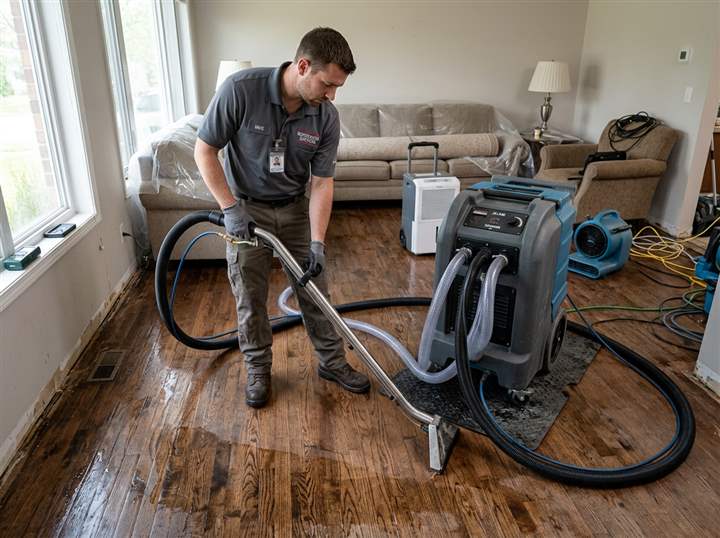
Standing Water in Your Marietta Home Right Now?
Flooded basements, burst pipes, and appliance failures soak deeper every hour. Extraction stops the damage clock — connect with Marietta water removal specialists.
Standing Water Gets Worse by the Hour, Not the Day
The first hours after a flood decide whether your home needs drying or demolition. Standing water wicks upward into drywall at roughly an inch per hour, swells subflooring, and saturates insulation — and under the ANSI/IICRC S500 Standard, clean water degrades in contamination category as it contacts building materials. What starts as a pump-out job becomes a tear-out job if extraction waits until morning.
That is why extraction is always phase one, before any drying equipment runs. Air movers and dehumidifiers handle moisture — they cannot process standing water. The process removes bulk water with high-volume extractors first, then residual moisture is mapped with thermal imaging so the drying phase targets exactly what remains. Learn how water categories affect your situation in our guide on water damage categories and classes.
Before Help Arrives: Protect Your Home
Three actions in the first minutes limit damage more than anything that follows.
- Shut off the main water valve if the source is plumbing — usually near the water meter.
- Turn off power to wet areas at the breaker panel if water is near outlets or appliances.
- Move electronics, documents, and valuables to dry, elevated ground.
Need help now?
Speak with a Marietta water damage specialist about your situation.
Call +1 (470) 804-0012Emergency Extraction Capabilities
High-volume water removal, moisture mapping, and immediate drying setup.
High-Volume Water Extraction
Truck-mounted extractors and submersible pumps remove thousands of gallons fast — from inches of basement flooding to whole-room appliance failures.
Moisture Mapping & Detection
Thermal imaging and penetrating moisture meters find water trapped behind walls, under flooring, and inside cavities after bulk water is gone.
Category Assessment per IICRC S500
Extracted water is classified by contamination category so handling, disposal, and sanitization match the actual hazard level.
Drying Setup & Handoff
After extraction, commercial air movers and dehumidifiers are positioned based on the moisture map — drying starts immediately, not days later.
Emergency Extraction Process
The 5-step process stops water damage progression and starts structural drying immediately.
Stop the Source
Shut off the main water valve for plumbing failures; for storm intrusion, the entry point gets identified first so extraction isn't fighting incoming water.
Extract Standing Water
High-volume pumps and extractors remove bulk water from floors, basements, and low areas — the step that stops progressive absorption.
Map Hidden Moisture
Meters and thermal imaging locate water trapped in walls, subfloors, and insulation that surface extraction can't reach.
Begin Structural Drying
Air movers and dehumidifiers go in immediately, positioned from the moisture map — no gap between extraction and drying.
Verify Dry Standards
Moisture readings are logged until materials return to verified dry baselines, confirming the job is actually done.
Why Marietta Homes Need Fast Extraction
Marietta's spring storm season and summer downpours regularly overwhelm gutters, grading, and sump systems — and the area's clay-heavy soil sheds water toward foundations instead of absorbing it. When a storm hits during the night, homeowners often wake to inches of water in basements and ground floors. Add aging supply lines in East Cobb and Vinings neighborhoods, and burst-pipe floods are a year-round risk. In both cases, the homes that recover fastest are the ones where extraction started first.
Water damage services in Marietta & Cobb County
Emergency Water Extraction FAQ
Answers about extraction timing, what to do first, and how extraction connects to full restoration.
How fast should standing water be extracted?
As fast as possible. Within the first 24 hours, water migrates deep into drywall, subflooring, and framing — and clean water degrades in contamination category as it sits. Extraction within hours versus days is often the difference between drying and demolition.
Can I use a wet vacuum or mop instead?
For a small spill, yes. For inches of flooding across rooms, consumer equipment can't keep up — and it can't find the water you can't see inside walls and under floors. That hidden moisture is what causes mold and rot weeks later.
What should I do before help arrives?
Shut off the water source if it's a plumbing failure, turn off power to wet areas at the breaker, move valuables and electronics to dry ground, and don't walk through water that may be near electrical outlets.
Does extraction include drying, or is that separate?
Extraction and drying are two phases of one job. Bulk water gets extracted first, then drying equipment gets set up based on moisture mapping — there's no gap where hidden water sits untreated.
Will my insurance cover emergency water extraction?
Most homeowners policies cover sudden and accidental water events like burst pipes and appliance failures, including professional extraction. Gradual leaks and floodwater from outside typically need separate flood coverage.
What equipment do professionals use for water extraction?
Truck-mounted extractors and high-volume portable units for standing water, submersible pumps for deep flooding, and weighted extraction tools that squeeze water from carpet and pad. Thermal imaging and moisture meters then map what the eye cannot see, so drying targets every wet area.
Complementary Restoration Services
Explore related water damage restoration services in Marietta.
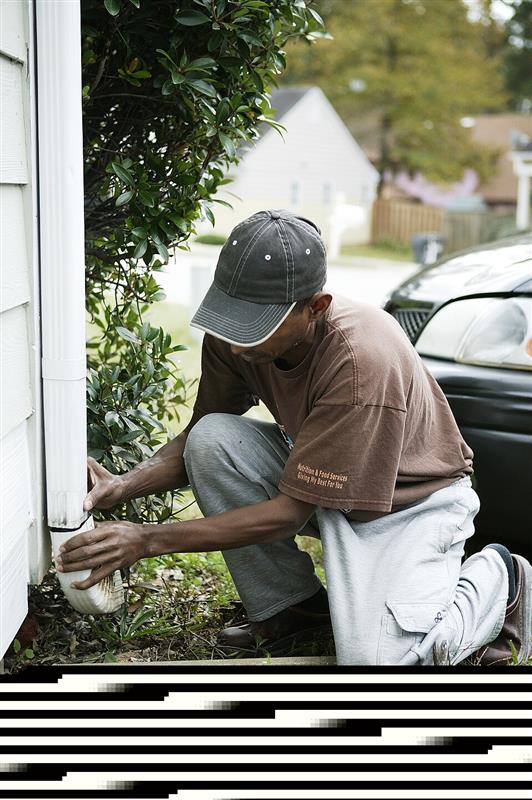
Water Damage Restoration
Professional water damage cleanup, water extraction, structural drying, and damage restoration for homes, apartments, and commercial properties in Marietta and Cobb County.
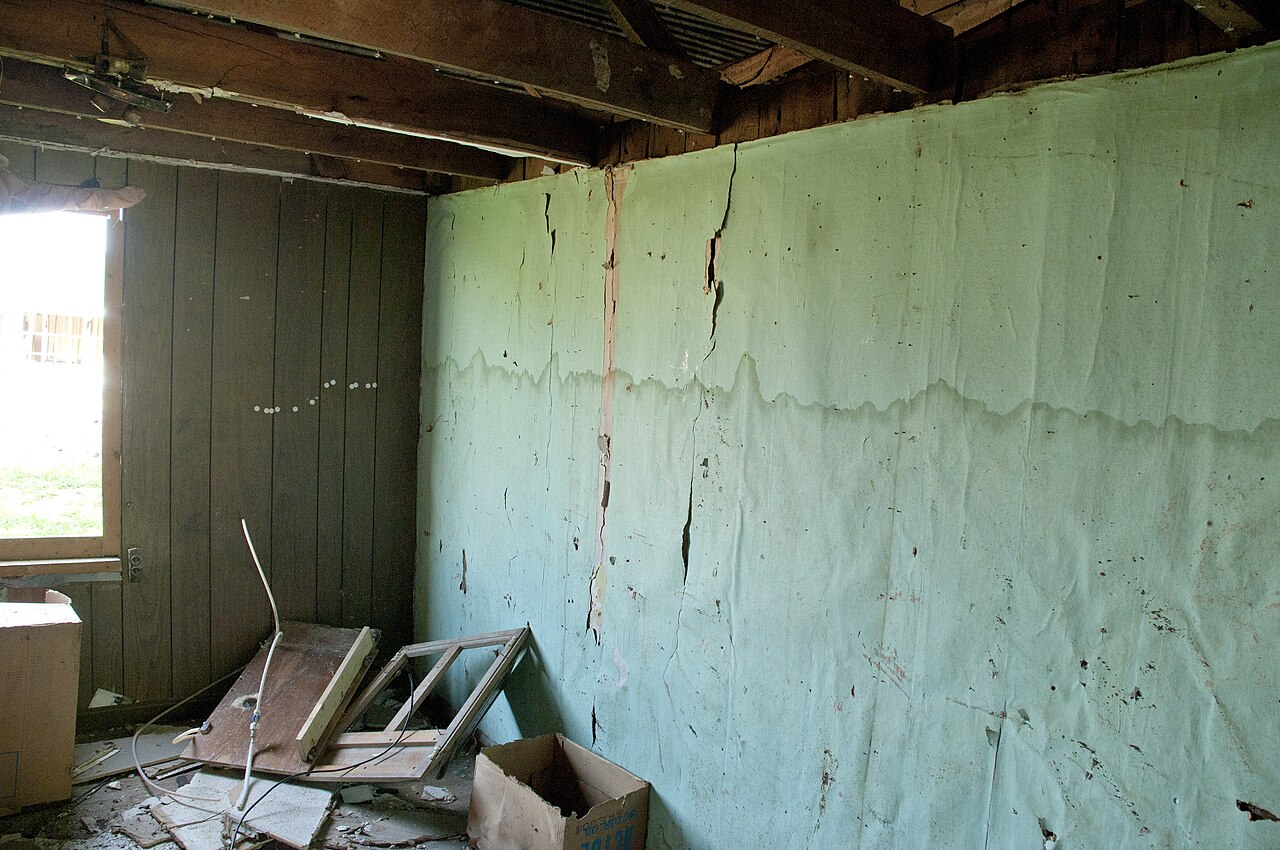
Basement Water Removal
Standing-water removal and extraction, slab dehumidification, finished basement drying, and moisture remediation after heavy rain, sump pump failures, or plumbing bursts in Marietta.
Burst & Leaking Pipe Repair
Water extraction, wall & ceiling moisture detection, structural drying, and water damage cleanup after burst or leaking pipes in Marietta.
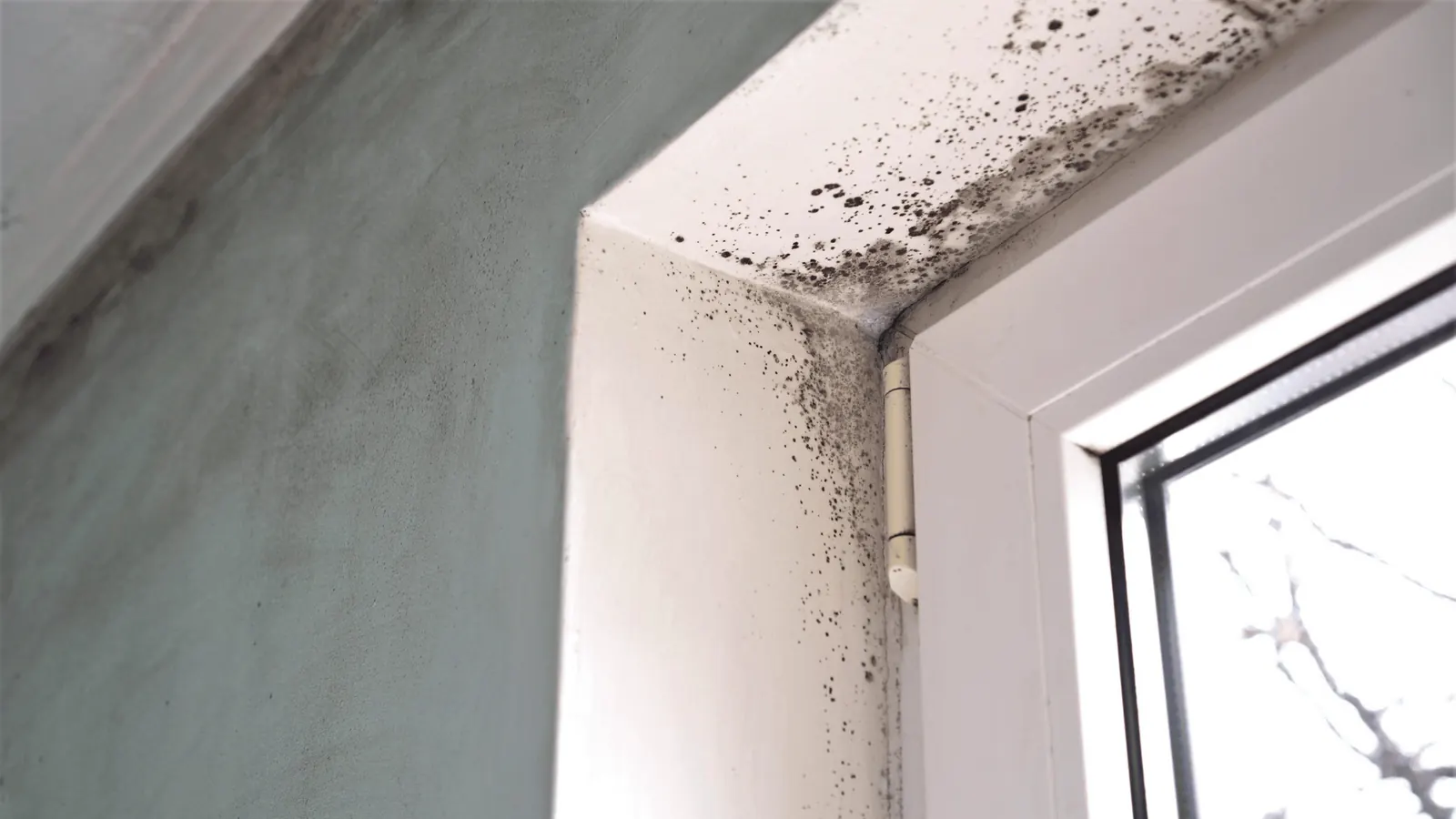
Mold Remediation & Removal
Professional mold containment, structural surface cleaning, HEPA air filtration, and underlying moisture remediation in Marietta and Cobb County.
Need Water Damage Restoration in Marietta?
Call now to discuss your water damage situation and the next steps.