Basement Flood Cleanup in Marietta, GA
Water extraction, slab dehumidification, finished basement drying, and moisture mitigation after heavy rain, sump pump failures, or plumbing bursts in Marietta.
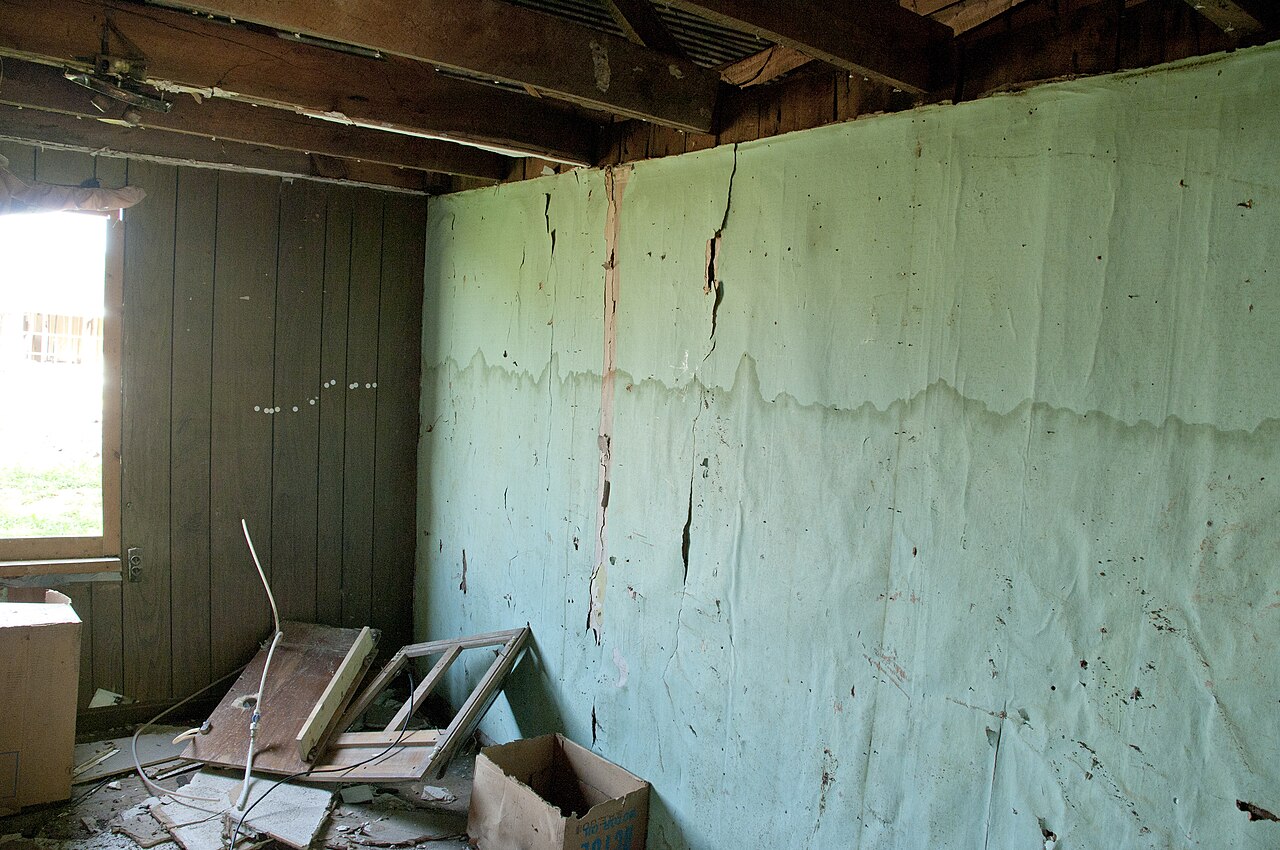
Dealing with a Flooded Basement in Marietta?
Basement water pooling requires bulk extraction and concrete slab dehumidification. Connect with local restoration providers for evaluations across Cobb County.
How Basements Flood & Contamination Classifications
Basement spaces sit below ground level, making them vulnerable to water intrusion from both exterior environmental conditions and interior plumbing failures. In Marietta and Cobb County residences, basement flooding typically occurs through one of six primary mechanisms:
- 1.Surface Runoff & Soil Grading: Rainwater pooling against exterior foundation walls due to improper lot sloping or compacted clay soil.
- 2.Gutter & Downspout Discharge: Blocked eavestroughs dumping high volumes of roof runoff directly alongside basement perimeter footings.
- 3.Hydrostatic Pressure & Foundation Cracks: Rising water tables forcing groundwater through basement floor slabs and masonry wall joints.
- 4.Sump Pump Failure: Mechanical pump breakdown, float switch jamming, or electrical power loss during heavy rainstorms.
- 5.Sewer & Drain Backups: Municipal storm sewer surcharges or main line blockages forcing Category 3 black water backward into basement drains.
- 6.Interior Plumbing Failures: Ruptured supply lines, water heater tank ruptures, or washing machine hose failures on main or upper floors.
Under the ANSI/IICRC S500 Standard for Professional Water Damage Restoration, the origin of basement water dictates its initial contamination category. Clean water from pressurized supply lines begins as Category 1. However, water flowing over soil or entering through floor drains quickly transitions to Category 2 (grey water) or Category 3 (grossly contaminated black water containing bacterial pathogens). Categorization determines required safety protocols and material disposal requirements.
Essential Safety Precautions Before Entering a Flooded Basement
Never step into a flooded basement until electrical safety has been verified. Submerged outlets, extension cords, or furnace wiring create severe electrical shock hazards.
- Shut off the main electrical breaker if the breaker panel is safely accessible outside the flooded area.
- If natural gas appliances are submerged or gas odors are present, evacuate immediately and notify gas utilities.
- Assume ground floodwater or drain backup water carries biohazards; wear rubber boots and protective gloves.
Finished vs. Unfinished Basement Drying Procedures
Restoration protocols differ significantly between unfinished storage basements and finished lower-level living spaces:
Unfinished Basements
Focuses on bulk water extraction from bare concrete slabs, drying exposed perimeter masonry walls, and operating high-capacity dehumidifiers to lower relative humidity beneath wooden main-floor joists.
Finished Basements
Requires evaluating porous materials. Saturated carpet padding and wet fiberglass wall insulation act as sponges, trapping moisture against wooden wall framing and requiring controlled removal to prevent mold growth.
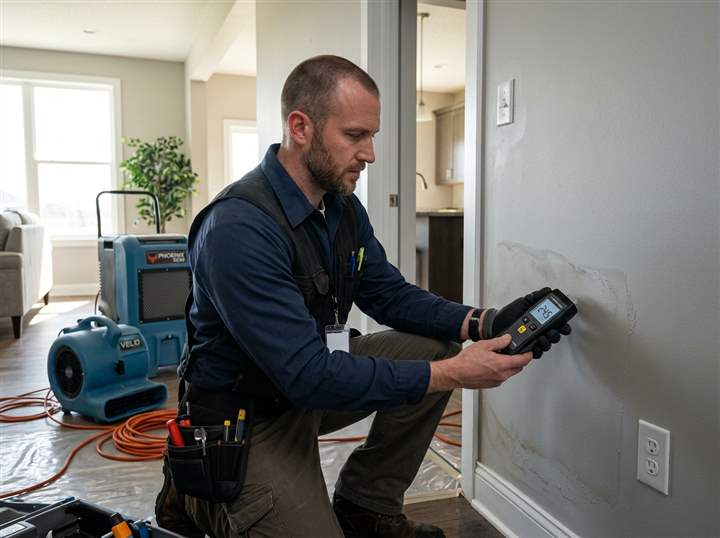
According to U.S. Environmental Protection Agency (EPA) guidelines, damp or wet building materials must be dried within 24 to 48 hours to prevent mold spore germination. When basement wall cavities absorb moisture, professional restoration crews deploy thermal imaging cameras to map exact moisture perimeters before installing low-grain refrigerant (LGR) dehumidifiers.
Basement Flood Cleanup vs. Basement Waterproofing
It is important to distinguish between emergency basement flood cleanup and permanent basement waterproofing:
Basement flood cleanup extracts active standing water, removes contaminated materials, and structurally dries the building framing following an unexpected water event. In contrast, basement waterproofing involves installing exterior waterproof membranes, interior perimeter French drains, or new sump pump systems to prevent future groundwater intrusion. Waterproofing addresses long-term structural engineering and is typically performed by specialized waterproofing contractors after dry standards are verified.
Insurance Coverage Nuances for Basement Water Intrusion
Standard homeowners insurance policies generally cover sudden internal plumbing bursts or water heater failures affecting a basement. However, standard policies typically exclude damage caused by rising surface floodwater or groundwater seepage through foundation walls. Sewer and drain backups are usually covered only if an optional sewer backup endorsement has been added to the policy prior to the event. Property owners should review policy terms and document water damage thoroughly with photographs before cleanup begins.
When to Call a Professional Restoration Specialist
While minor condensation or small puddle spills may be handled with household equipment, professional water mitigation is recommended under the following criteria:
- Standing water pools across concrete slab flooring or finished living areas.
- Water source involves sewer drain backup or outdoor ground runoff (Category 2 or 3).
- Water has been present for longer than 24 to 48 hours.
- Finished basement drywall, carpet padding, or wall cavities are saturated.
Data Sources & Standards Referenced
Technical guidance on basement water removal and moisture control is compiled from authoritative standards:
- • U.S. Environmental Protection Agency: A Brief Guide to Mold, Moisture, and Your Home (Retrieved September 2026)
- • ANSI/IICRC S500: Standard for Professional Water Damage Restoration (5th Edition, 2021)
- • Iowa State University Extension PM 1561: Residential Drainage & Grading Principles
General informational guidance, not legal, insurance, engineering, or medical advice.
Basement Cleanup Highlights:
- Bulk water extraction from slab floors & sumps
- Thermal moisture mapping behind basement drywall
- Finished basement subfloor & carpet drying
- LGR dehumidification & structural monitoring
- Sanitization & Category 2/3 water decontamination
Nearby Service Areas
Basement flood cleanup and moisture extraction services are available throughout Cobb County municipalities:
Basement Water Removal Capabilities
Submersible water pumping, concrete slab dehumidification, infrared moisture mapping, and sanitization.
High-Volume Water Pumping
Submersible pumps and heavy-duty extraction units rapidly pull standing water out of flooded basement spaces.
Thermal Moisture Inspection
Infrared cameras identify trapped moisture behind finished basement drywall and beneath subfloor assemblies.
Structural Slab & Joist Drying
Industrial dehumidifiers extract deeply bound moisture from concrete slabs, sill plates, and overhead floor joists.
Antimicrobial Sanitization
EPA-registered antimicrobial applications treat concrete and framing to inhibit bacterial and fungal growth.
Basement Flood Restoration Process
A structured 5-step sequence to extract standing water, dry building framing, and restore baseline dry standards.
Safety Check & Source Isolation
Inspect electrical panel safety, check gas lines, and verify incoming water source is shut off.
Bulk Water Extraction
Pump standing water off basement concrete slabs and out of low-lying carpet or utility zones.
Controlled Material Removal
Remove unsalvageable wet carpet padding or flood-wicked drywall cutouts to expose wet studs.
Dehumidification & Air Movement
Position commercial air movers and refrigerant dehumidifiers to dry wall framing and subfloors.
Moisture Logging & Verification
Measure structural moisture levels daily until materials meet verified dry standards.
Serving Finished & Unfinished Basements Across Marietta
From established single-family homes in East Cobb to residences near Marietta Square and West Cobb, basements require specialized drying equipment configured for concrete slabs and lower-level wall assemblies.
Basement Flood Cleanup FAQ
Answers to common questions regarding basement water removal, finished basement drying, and insurance coverage.
How quickly should a flooded basement in Marietta be dried?
Water extraction and structural drying should begin within 24 to 48 hours to limit deep saturation into slab framing, drywall cavities, and carpet padding, preventing progressive structural decay.
Can carpet padding and drywall in a flooded basement be saved?
For Category 1 clean water leaks caught quickly, padding and drywall can often be dried in place using high-velocity air movers and LGR dehumidifiers. Category 3 sewage backups or prolonged floodwater require removal of wet padding and affected drywall.
What is the difference between basement flood cleanup and waterproofing?
Basement flood cleanup extracts standing water, removes wet materials, and structurally dries the building framing after a water event. Basement waterproofing involves installing exterior drainage membranes, sump pumps, or interior perimeter drain tile to prevent future groundwater intrusion.
Is basement flooding covered by standard Marietta homeowners insurance?
Standard policies typically cover sudden internal plumbing failures or water heater bursts. Groundwater seepage, surface floodwater runoff, and sewer drain backups are generally excluded unless separate flood insurance or sewer backup endorsements are added.
Complementary Restoration Services
Explore specialized water damage restoration, sewage cleanup, storm damage mitigation, and crawl space water removal.
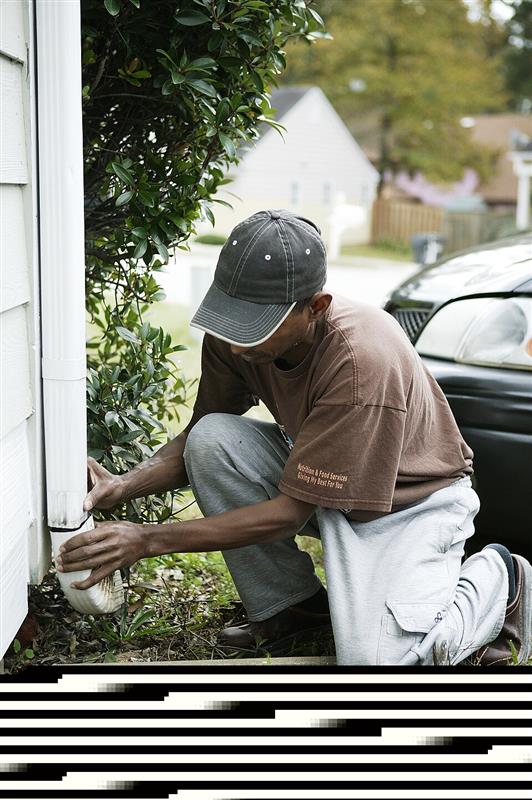
Water Damage Restoration
Professional water damage cleanup, water extraction, structural drying, and damage restoration for homes, apartments, and commercial properties in Marietta and Cobb County.
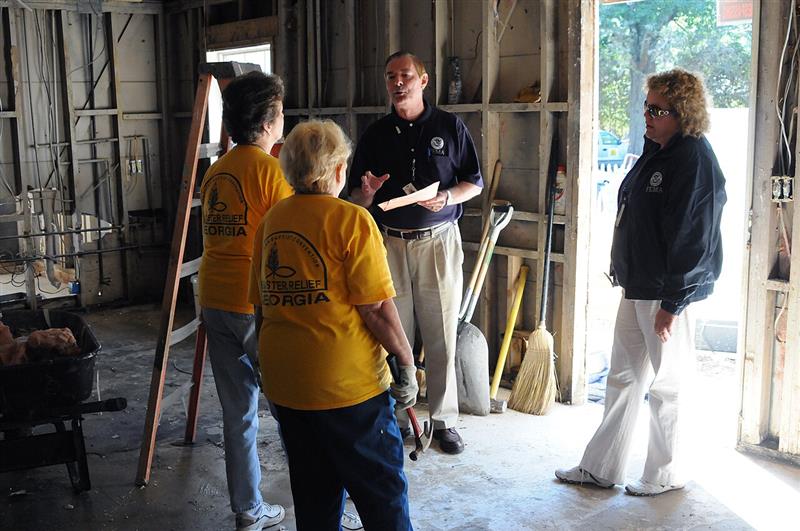
Sewage Cleanup & Sanitization
Professional sewage backup removal, biohazard extraction, thorough decontamination, and odor elimination for properties in Marietta and Cobb County.
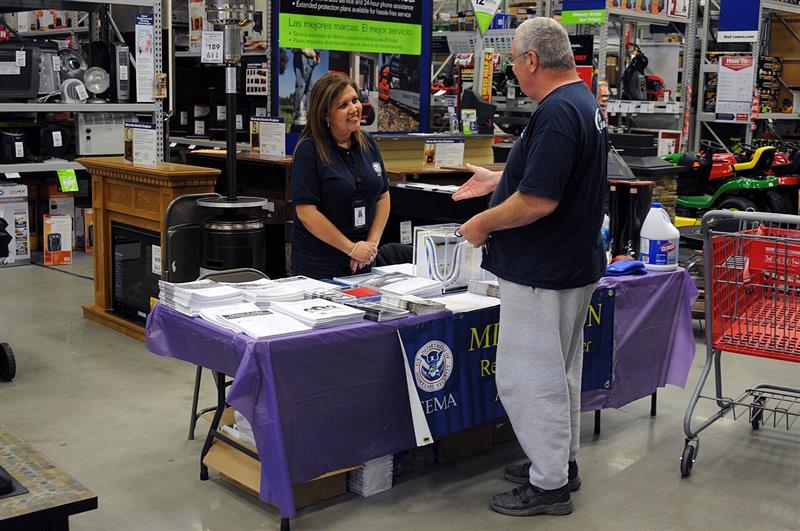
Storm & Flood Damage Cleanup
Rainwater extraction, flood cleanup, roof leak tarping support, and storm damage restoration for Marietta and Cobb County properties.
Crawl Space Water Damage
Standing water extraction, subfloor joist drying, saturated vapor barrier removal, and structural moisture remediation for crawl spaces in Marietta.
Need Water Damage Restoration in Marietta?
Call now to discuss your water damage situation and the next steps.