Mold Remediation & Moisture Control in Marietta, GA
Professional mold containment, structural surface cleaning, HEPA air filtration, and underlying moisture remediation in Marietta and Cobb County.
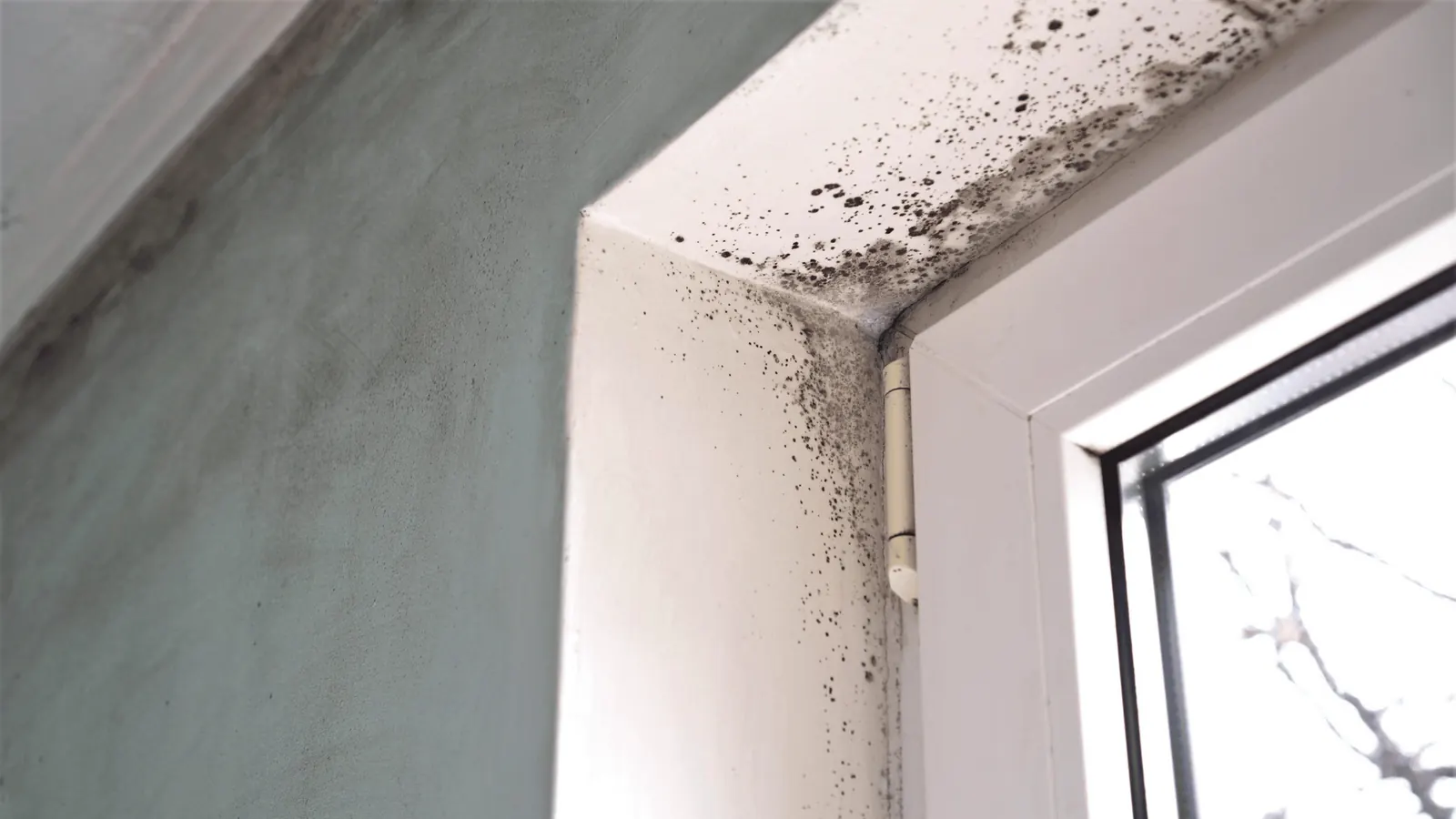
Dealing with Mold or Persistent Moisture in Marietta?
Unaddressed moisture from plumbing leaks or high humidity fosters mold growth on structural drywall and framing. Connect with restoration providers across Cobb County.
Moisture Intrusion & Environmental Amplification
Microscopic mold spores exist naturally throughout outdoor and indoor environments. However, spores require organic food sources (such as paper drywall facing, carpet backing, or wooden wall studs) combined with elevated moisture to germinate. According to the U.S. Environmental Protection Agency (EPA), damp or wet building materials must be thoroughly dried within 24 to 48 hours following a water intrusion event to prevent mold spore amplification.
When water leaks remain hidden behind wall cavities or beneath subfloors, damp building materials create enclosed micro-climates where relative humidity remains high. Effective remediation requires identifying and repairing the original water leak source alongside physical surface cleaning and structural drying. Learn more about ongoing home inspection practices in our guide on preventing water damage in Marietta homes.
The Importance of Relative Humidity & Moisture Control
Simply wiping visible surface growth without drying the underlying building framing allows mold roots to re-establish. Controlling relative humidity is essential for long-term air quality protection.
- Maintain indoor relative humidity levels below 50% using high-efficiency dehumidifiers.
- Avoid applying household bleach to porous drywall, as bleach contains water that can feed mold hyphae roots inside wall cavities.
- Ensure exhaust fans vent outdoor moisture directly from bathrooms and kitchens.
Containment & HEPA Air Scrubbing Protocols
Removing mold-impacted building materials dislodges fine spores into the air. Professional remediation teams utilize strict containment protocols to prevent cross-contamination:
Poly-Barrier Containment
Heavy-duty plastic poly-sheeting containment is installed across doorways, halls, and HVAC registers to isolate the work zone from clean residential living areas.
HEPA Air Filtration
Industrial negative-air machines equipped with High-Efficiency Particulate Air (HEPA) filters scrub indoor air, capturing fine airborne spores and particulate matter.
Once containment is established, unsalvageable porous materials like wet drywall facing or contaminated carpet underlayment are removed in sealed disposal bags. Exposed structural framing is detail-vacuumed using HEPA filtration equipment and treated with EPA-registered antimicrobial fungicides before structural drying is complete. Review our comprehensive water damage restoration process guide to learn more about structural drying equipment.
Insurance Nuances for Mold & Moisture Remediation
Insurance coverage for mold remediation in Georgia depends heavily on the root cause of water intrusion. Standard homeowners policies typically cover mold remediation if it directly results from a covered sudden and accidental water pipe burst. However, policies generally exclude mold damage resulting from long-term unaddressed plumbing leaks, ongoing groundwater seepage, or poor maintenance. Property owners should document water sources thoroughly. For additional information, consult our guide on homeowners insurance water damage in Georgia.
When to Call a Professional for Mold Remediation
While minor surface dampness on non-porous bathroom tile can be wiped clean with household cleaners, professional remediation is recommended under the following criteria:
- Visible fungal growth covers a significant area exceeding isolated surface spots.
- Persistent musty odors linger following a past plumbing leak or basement flooding event.
- Damp materials have stayed wet past the EPA's recommended 24-to-48-hour drying window — the exact condition that lets mold colonize drywall, wood, and fabrics.
- Water intrusion has penetrated concealed wall cavities, crawl spaces, or subflooring.
- Multiple rooms or central HVAC ductwork show signs of moisture accumulation.
Data Sources & Standards Referenced
Technical guidance on indoor moisture control and environmental remediation is compiled from authoritative standards:
- • U.S. Environmental Protection Agency: A Brief Guide to Mold, Moisture, and Your Home
- • ANSI/IICRC S500: Standard for Professional Water Damage Restoration (5th Edition, 2021)
General informational guidance, not legal, insurance, engineering, or medical advice.
Remediation Protocols:
- Source moisture identification & humidity control
- Physical containment barriers & negative air scrubbers
- HEPA vacuuming & antimicrobial washdown
- Safe removal of contaminated porous drywall
- Encapsulation & indoor air quality clearance
Nearby Service Areas
Mold remediation and moisture control services are available throughout Cobb County municipalities:
Mold Remediation & Environmental Capabilities
Containment poly-barriers, HEPA air scrubbing, surface decontamination, and structural drying.
Containment Zone Setup
Isolate affected areas with heavy plastic containment walls and negative air machines to prevent spore migration.
HEPA Air Filtration
Industrial HEPA air scrubbers capture airborne mold spores and fine particulate matter.
Antimicrobial Cleaning
Deep surface cleaning of non-porous and semi-porous structural framing using EPA-registered antimicrobial agents.
Moisture Control & Dehumidification
Eliminate root moisture sources using high-efficiency dehumidifiers to keep relative humidity below 50%.
Mold Remediation Process
The 5-stage containment and remediation workflow isolates spores, decontaminates framing, and seals surfaces.
Inspection & Moisture Audit
Examine impacted areas, test surface/air moisture levels, and trace the water source.
Containment & Air Isolation
Construct plastic containment poly-barriers and run negative air filtration units.
Controlled Material Removal
Carefully remove unsalvageable, heavily impacted drywall or insulation in sealed bags.
HEPA Vacuuming & Sanitization
Detail-vacuum framing and apply antimicrobial fungicides to wood surfaces.
Drying & Sealant Application
Ensure materials test dry and apply protective clear sealant to exposed framing.
Marietta Crawl Space, Attic & Wall Moisture Solutions
Georgia humid summers and high humidity can exacerbate moisture in basements, crawl spaces, and attics across Cobb County. Comprehensive remediation restores indoor environmental quality.
Local moisture control service in Marietta & Cobb County
Mold Remediation FAQ
Answers to common questions about mold growth causes, bleach limitations, and recurrence prevention.
Why does mold appear after water damage?
Mold spores exist naturally indoors and outdoors. When structural materials remain wet above 60% relative humidity for 24-48 hours, spores activate and multiply.
Is bleach effective for cleaning mold on drywall?
Bleach is generally ineffective on porous drywall and wood framing because its high water content can feed mold roots beneath the surface. Professional antimicrobial cleaners are required.
How do you keep mold from returning?
Preventing mold return requires fixing the original water leak, ensuring proper ventilation, maintaining low indoor relative humidity, and thoroughly drying framing.
Why does EPA guidance emphasize drying wet materials within 24 to 48 hours?
According to U.S. Environmental Protection Agency (EPA) guidance, damp or wet building materials must be thoroughly dried within 24 to 48 hours following a water intrusion event to prevent mold spore germination.
Why is physical containment necessary during indoor mold cleanup?
Physical poly-barriers and negative air pressure HEPA filtration isolate the work area, preventing microscopic mold spores dislodged during material removal from settling in unaffected rooms or entering the HVAC duct system.
Does Georgia homeowners insurance cover mold remediation after a water leak?
Insurance coverage depends on the water origin. Mold resulting from a covered sudden water pipe burst is typically covered up to policy limits, whereas mold caused by long-term maintenance neglect or surface flooding is generally excluded.
Complementary Restoration Services
Explore water damage cleanup, sewage decontamination, and burst pipe repair services.
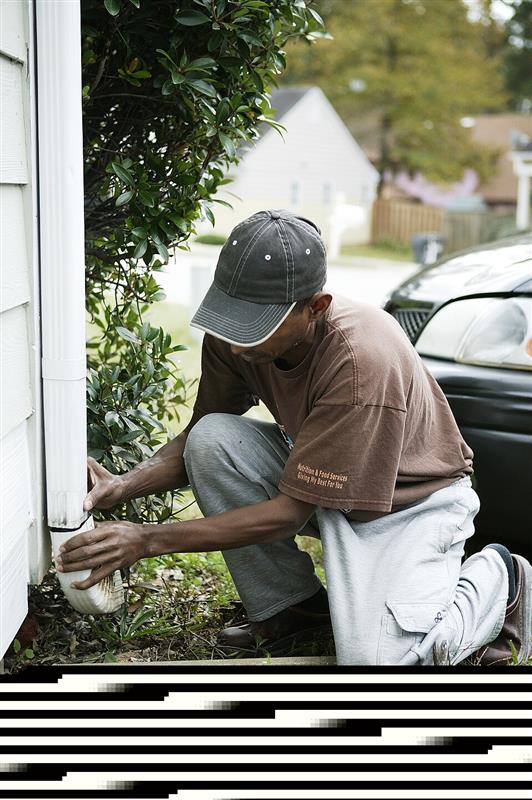
Water Damage Restoration
Professional water damage cleanup, water extraction, structural drying, and damage restoration for homes, apartments, and commercial properties in Marietta and Cobb County.
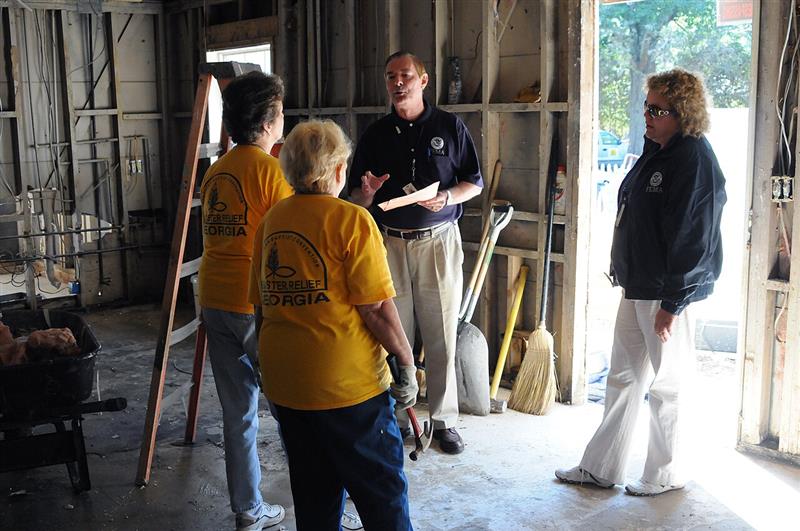
Sewage Backup Cleanup
Safe, professional cleanup of sewage backups and black water contamination in Marietta homes — Category 3 water handled with full containment, sanitization, and proper disposal.
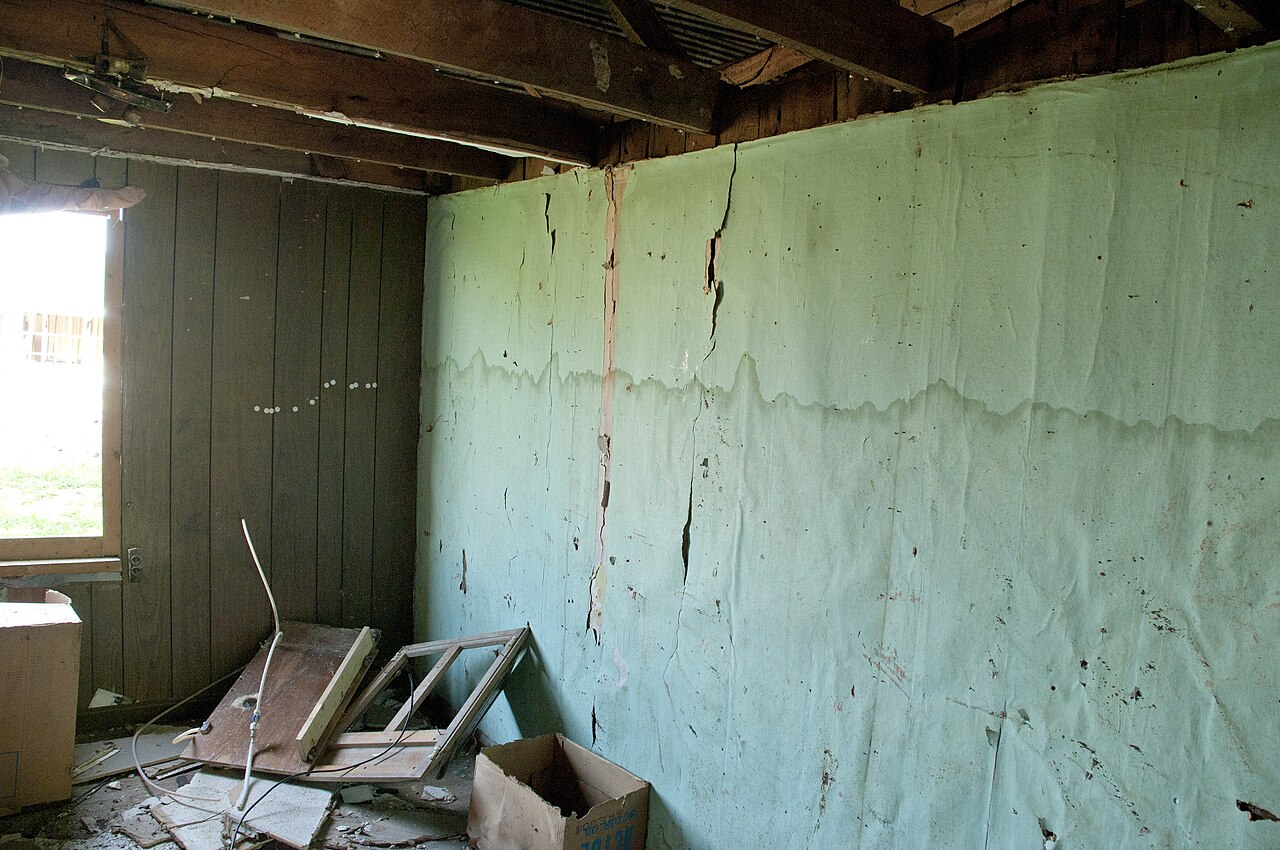
Burst & Leaking Pipe Repair
Water extraction, wall & ceiling moisture detection, structural drying, and water damage cleanup after burst or leaking pipes in Marietta.
Need Water Damage Restoration in Marietta?
Call now to discuss your water damage situation and the next steps.