Water Damage Restoration in Marietta, GA
Professional water damage cleanup, water extraction, structural drying, and damage restoration for homes, apartments, and commercial properties in Marietta and Cobb County.
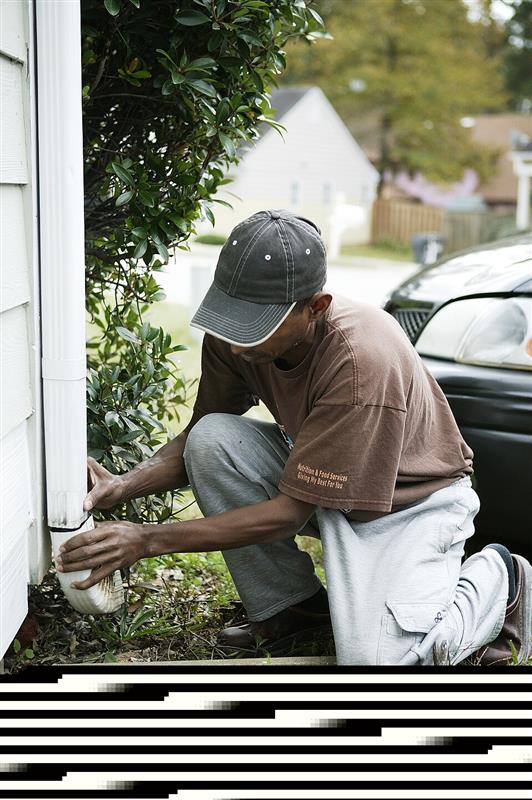
Have Active Water Damage in Marietta or Cobb County?
Standing water, plumbing leaks, or unexpected moisture intrusion require attention. Connect with local restoration specialists across Marietta and Cobb County.
Identifying Your Specific Water Intrusion Source
Water intrusion inside a residential or commercial building originates from distinct structural pathways—including high-pressure plumbing ruptures, storm rainwater runoff, appliance failures, or main sewer line surcharges. Under the ANSI/IICRC S500 Standard for Professional Water Damage Restoration, identifying the water contamination category (Category 1 clean water, Category 2 grey water, or Category 3 black water) is the critical first step in selecting the correct mitigation protocol. Learn more about contamination levels in our detailed guide on water damage categories and classes.
To determine which specialized service best fits your property situation, review the primary water damage scenarios below:
Plumbing & Supply Line Leaks
Frozen pipe bursts, pressurized supply line ruptures, or leaking water heaters. Explore dedicated burst pipe repair and appliance leak cleanup.
Storm Rainwater & Roof Leaks
Heavy rain surface runoff, wind-driven roof leaks, or flash flood ingress. View specialized storm damage cleanup and roof leak restoration.
Sub-Grade & Basement Flooding
Hydrostatic groundwater pressure, sump pump overflows, or crawl space moisture. Access targeted basement flood drying and crawl space restoration.
Sewer Backups & Mold Growth
Category 3 black water drain surcharges or lingering mold from hidden leaks. See emergency sewage cleanup and mold remediation.
Emergency Water Source Containment Guidelines
Taking immediate containment action limits vertical and horizontal water migration before professional extraction crews arrive.
- Shut off the main residential or commercial water valve immediately if the water source is an active plumbing leak.
- Disconnect power at the main electrical panel if water reaches wall outlets, baseboards, or ceiling light fixtures.
- Avoid walking through standing water until electrical safety is verified by a qualified technician.
Structural Water Extraction & Moisture Removal Mechanics
Liquid water extraction removes free-standing surface water, but bound moisture trapped inside porous wall studs, concrete subfloors, and sub-layer insulation requires active structural drying. Under U.S. Environmental Protection Agency (EPA) guidelines, wet structural building materials must be thoroughly dried within 24 to 48 hours to prevent mold spore germination and structural degradation.
Non-Invasive Moisture Mapping
Technicians utilize thermal imaging cameras and non-penetrating moisture meters to trace hidden moisture boundaries behind intact drywall and beneath hardwood floors without destructive testing.
Structural Cavity Dehumidification
Industrial air movers create high-velocity air movement across damp surfaces, while low-grain refrigerant (LGR) dehumidifiers pull vapor out of the air to achieve dry-standard benchmarks.
Review our comprehensive water damage restoration process guide to understand how daily moisture tracking verifies complete structural drying.
Navigating Homeowners Insurance Claims in Georgia
Standard homeowners insurance policies in Georgia typically cover sudden and accidental water damage caused by internal plumbing bursts, appliance line failures, or storm-driven rain entering through wind-damaged roofs. However, policies routinely exclude damage resulting from ongoing maintenance neglect or unaddressed leaks. Property owners should document water damage immediately with photos. Read our complete guide on homeowners insurance water damage in Georgia for claim documentation details.
When to Call a Professional for Water Damage Restoration
While small surface spills can be cleaned with household towels, professional mitigation is recommended under the following criteria:
- Standing liquid water covers large floor areas or multiple rooms.
- Water has migrated from upper levels down into lower-level ceilings, light fixtures, or wall cavities.
- Wet materials have gone more than 24 to 48 hours without professional drying — the EPA's recommended window before mold takes hold in porous materials.
- Water source involves Category 2 grey water or Category 3 black sewage contamination.
- Hardwood floors, subflooring, or carpet padding are saturated beneath surface layers.
Data Sources & Standards Referenced
Technical guidance on structural water extraction and moisture control is compiled from authoritative industry standards:
- • ANSI/IICRC S500: Standard for Professional Water Damage Restoration (5th Edition, 2021)
- • U.S. Environmental Protection Agency: A Brief Guide to Mold, Moisture, and Your Home
General informational guidance, not legal, insurance, engineering, or medical advice.
Key Aspects of Water Restoration:
- Standing water removal & extraction
- Thermal & moisture meter detection behind walls & floors
- Commercial-grade air movers & LGR dehumidification
- Sanitization & antimicrobial surface treatment
- Structural drying & material containment
Nearby Service Areas
Water damage restoration and structural drying services are available throughout Cobb County municipalities:
Water Damage Restoration Capabilities
Comprehensive water removal, moisture mapping, and structural drying services designed for properties in Marietta.
Water Removal & Extraction
High-capacity extraction equipment removes standing water from floors, carpets, basements, and low-lying areas.
Moisture Detection & Mapping
Precision moisture meters and thermal imaging identify trapped water hidden behind drywall, subfloors, and cabinets.
Structural Drying & Dehumidification
Industrial air movers and refrigerant dehumidifiers extract deeply saturated moisture from framing and drywall.
Sanitization & Decontamination
Safe EPA-registered antimicrobial applications eliminate bacteria, prevent odors, and sanitize impacted surfaces.
Damaged Material Removal
Controlled removal of unsalvageable drywall, wet insulation, and damaged flooring to prepare for restoration.
Property Restoration & Repairs
Rebuilding drywall, trim, flooring, and paint to return your property to pre-loss condition.
Water Damage Restoration Process
The systematic step-by-step restoration approach ensures all water is extracted and building materials are thoroughly dried.
Initial Assessment & Inspection
Identify water sources, inspect affected rooms, measure moisture levels, and determine the water damage category.
Water Extraction & Containment
Extract standing water using heavy-duty pumps and vacuum units to prevent horizontal migration into adjacent rooms.
Structural Drying & Dehumidification
Position commercial air movers and desiccant/LGR dehumidifiers to continuously pull moisture from wood and drywall.
Cleaning & Antimicrobial Treatment
Decontaminate salvageable surfaces, scrub air with HEPA filtration, and apply EPA-approved botanical treatments.
Final Restoration & Repair
Complete necessary structural repairs, drywall patches, flooring replacement, and final moisture verification.
Serving Homes & Businesses Across Marietta & Cobb County
Marietta features a wide mix of established single-family neighborhoods, multi-family rental complexes, and commercial properties. Whether dealing with a burst line in East Cobb, a flooded basement near Marietta Square, or water intrusion in Smyrna or Kennesaw, local service provides property evaluation.
Local service coverage throughout Marietta & Cobb County
Water Damage Restoration FAQ
Answers to common questions property owners have about water damage cleanup, extraction, and drying in Marietta.
How quickly should water damage restoration begin in Marietta?
Water damage restoration should begin as soon as possible. Moisture can absorb deeply into drywall, baseboards, and wood subfloors within hours, making thorough extraction and drying crucial to limit secondary damage.
What is the difference between water extraction and structural drying?
Water extraction removes standing liquid water using pumps and vacuums. Structural drying uses air movement and dehumidification equipment to draw out bound moisture absorbed inside wood studs, drywall, and concrete.
Will my floors and walls need to be completely torn out?
Not always. If clean water is extracted early and structural drying starts without delay, many drywall sections and subfloors can be dried in place. Contaminated water (Category 3) or severely delaminated materials may require removal.
How long does the structural drying process usually take?
Structural drying timeframe varies depending on the volume of water, humidity levels, and affected building materials. Daily moisture readings confirm when materials reach dry standards.
Do you serve residential and commercial properties in Cobb County?
Yes. Restoration providers assist single-family homes, townhomes, multi-family rental units, retail stores, and commercial offices throughout Marietta, East Cobb, Smyrna, Kennesaw, and Acworth.
How can I determine which specific water restoration service my property needs?
Service selection depends on the moisture source. Plumbing ruptures require burst pipe repair, rainwater ingress requires storm damage cleanup, and sewer backups require Category 3 biohazard extraction. General water damage restoration handles overarching extraction, moisture mapping, and structural drying.
Complementary Restoration Services
Explore specialized water damage cleanup, pipe repair, sewage decontamination, and storm restoration options.
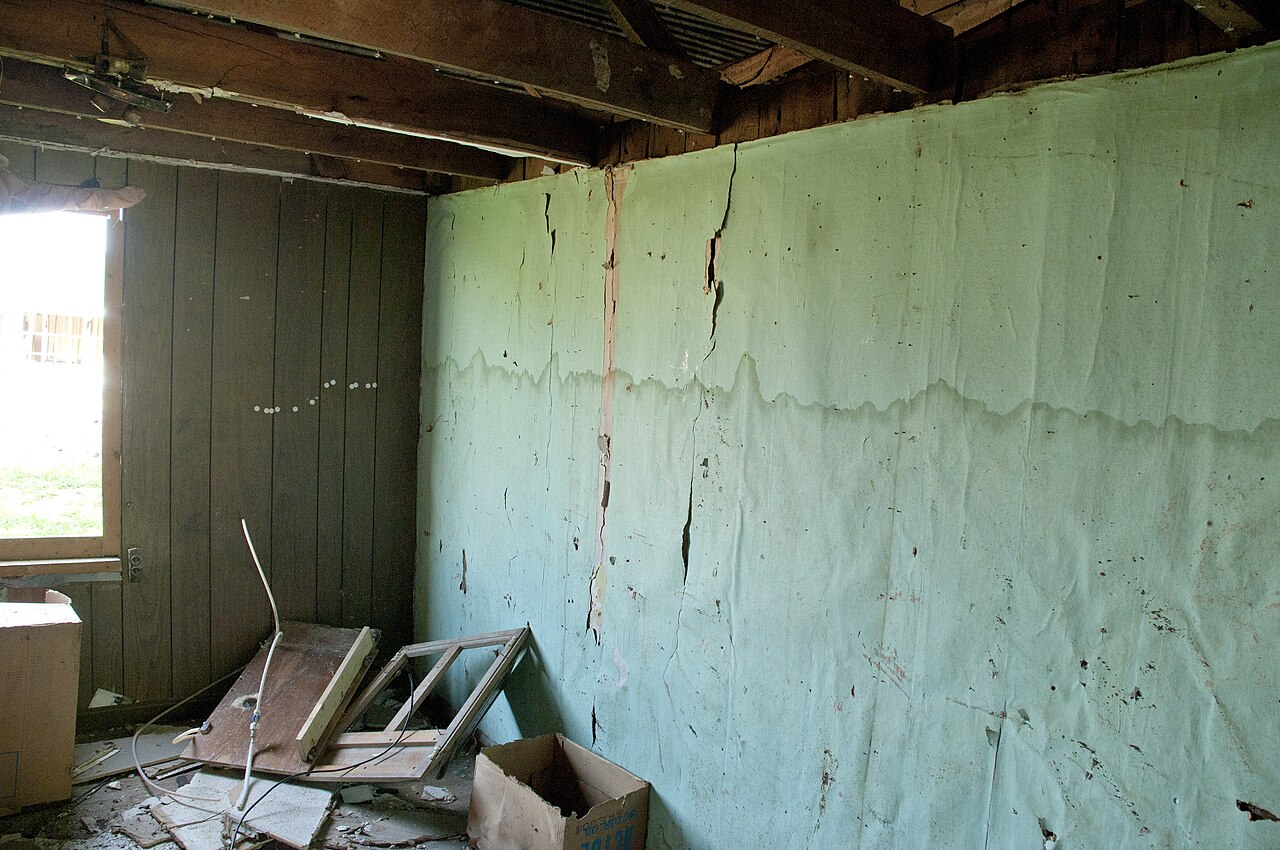
Burst & Leaking Pipe Repair
Water extraction, wall & ceiling moisture detection, structural drying, and water damage cleanup after burst or leaking pipes in Marietta.
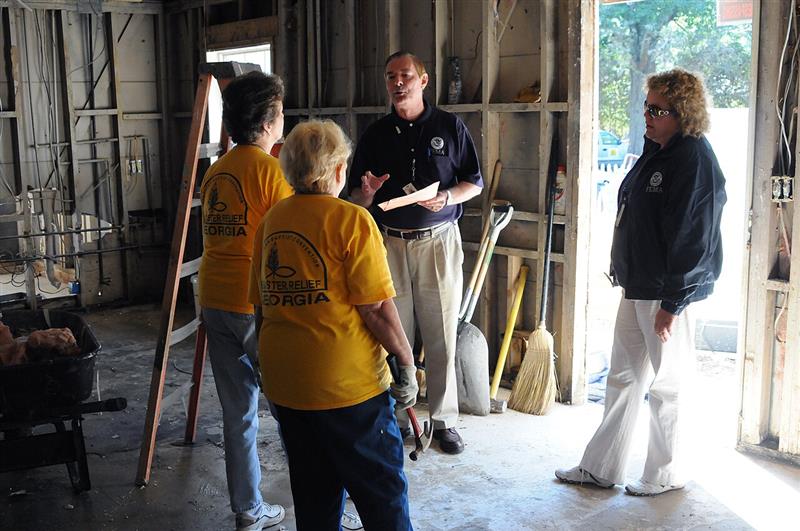
Sewage Backup Cleanup
Safe, professional cleanup of sewage backups and black water contamination in Marietta homes — Category 3 water handled with full containment, sanitization, and proper disposal.
Storm & Flood Damage Cleanup
Rainwater extraction, flood cleanup, roof leak tarping support, and storm damage restoration for Marietta and Cobb County properties.
Need Water Damage Restoration in Marietta?
Call now to discuss your water damage situation and the next steps.