Roof Leak Water Damage in Marietta, GA
Ceiling water extraction, saturated attic insulation drying, thermal moisture mapping, and structural framing restoration after roof leaks in Marietta.
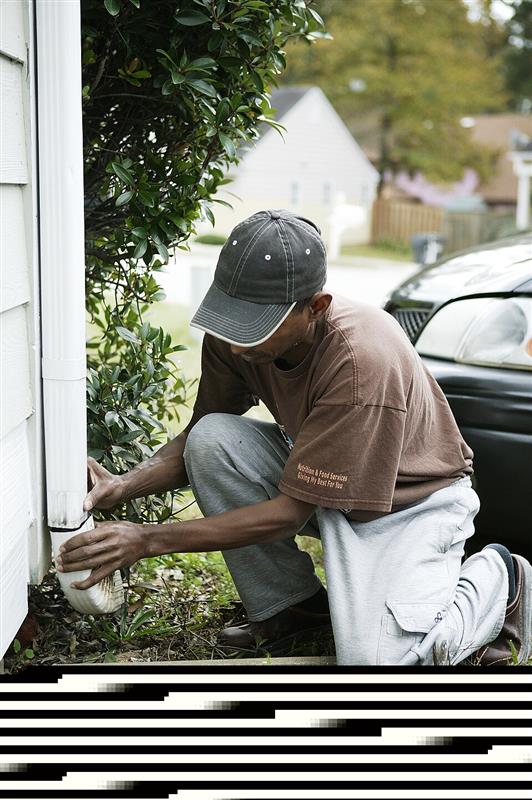
Has Roof Water Leaked into Your Attic or Ceiling?
Rainwater penetrating roof shingles can saturate attic insulation and cause ceiling sag. Connect with restoration providers for interior moisture extraction across Marietta.
How Roof Water Travels Inside Structures & Shows Up in Living Areas
When severe weather or age damages roof coverings in Marietta residences, rainwater does not always drop straight down into the room directly beneath the leak. Roof water penetration travels along complex structural paths before manifesting as visible ceiling damage:
- 1.Flashing & Roof Penetration Ingress: Water slips under degraded step flashing around chimneys, dormers, plumbing vent stacks, or skylight curbs.
- 2.Rafter & Sheathing Travel: Rainwater runs down inclined wooden roof rafters or plywood sheathing before dripping onto attic floor joists.
- 3.Attic Insulation Saturation: Loose-fill cellulose or fiberglass batt insulation absorbs incoming moisture, holding water against ceiling drywall like a heavy sponge.
- 4.Ceiling drywall Pooling & Sagging: Water accumulates over gypsum ceiling panels, causing brownish water rings, peeling paint, or structural drywall sag.
- 5.Wall Stud Migration: Water follows interior wall plates down through stud bays into main floor baseboards and subflooring.
Critical Attic Hazards & Ceiling Collapse Risks
Saturated fiberglass or cellulose insulation loses its thermal R-value permanently once wet and adds tremendous dead weight to ceiling joists.
- Gypsum board weakens rapidly when wet; bulging ceiling drywall should be drained carefully using a catch bucket before collapse occurs.
- Unconditioned attic spaces provide elevated temperatures that foster fungal growth within 24 to 48 hours (EPA Mold Guidelines).
- Water dripping through ceiling light fixtures or smoke detectors presents short-circuit fire risks until power circuits are isolated.
Correct Sequence for Roof Leak Repair & Interior Water Mitigation
Restoring a home after roof leak water damage requires clear coordination between exterior roof repairs and interior structural water mitigation:
Emergency Source Control & Tarping
A roofing contractor installs temporary emergency tarps or repairs damaged shingles/flashing to halt incoming rain.
Documentation & Thermal Moisture Audit
Restoration specialists scan ceilings and wall cavities with infrared thermal cameras to map wet insulation boundaries and moisture travel.
Interior Water Extraction & Structural Drying
Saturated attic insulation is bagged and removed. Commercial LGR dehumidifiers and high-velocity air movers dry roof trusses, ceiling joists, and stud bays.
Permanent Exterior & Interior Repairs
Permanent roof repairs are completed by roofers, followed by drywall patching, new insulation installation, and painting once dry standards are verified.
Water Classification Note: March 2026 IICRC S500 Weather Update
Under the ANSI/IICRC S500 Standard for Professional Water Damage Restoration, rainwater entering through roof penetrations was historically subject to varying interpretation. According to the March 16, 2026 consensus body position statement from the IICRC:
Top-down water ingress, wind-driven rain, and weather-related water entering through roof openings are not automatically classified as Category 3 (black water). Instead, the water contamination category is determined by professional on-site moisture evaluation, considering the specific building materials contacted, environmental conditions, and duration of moisture contact.
Storm Roof Damage in Marietta & Insurance Nuances
Severe thunder storms and wind events in Marietta, GA frequently cause localized roof storm damage, tearing shingles or dislodging flashing. When evaluating interior water damage caused by storm damage roof repair needs in Marietta, GA, insurance coverage depends heavily on the root cause.
Standard homeowners insurance policies typically cover internal water damage when rainwater enters through a sudden, storm-created opening (such as wind-blown shingles or a fallen tree branch). Conversely, internal water damage resulting from gradual wear-and-tear, aged roofing materials, or neglected maintenance is usually excluded under standard policy terms. Homeowners should document damaged ceilings and roof entry points with clear photos prior to initiating emergency repairs.
When to Call a Professional Restoration Specialist
Professional interior water mitigation is recommended under the following criteria:
- Ceiling drywall exhibits sagging, water staining, or active dripping.
- Attic insulation is saturated across ceiling joists or drywall exhibits sagging.
- Water has traveled down interior wall cavities into main floor living spaces.
- Water intrusion has been unaddressed for longer than 24 to 48 hours.
Data Sources & Standards Referenced
Technical guidance on roof water mitigation and moisture control is compiled from authoritative standards:
- • IICRC Consensus Body Position Statement on Weather-Related Water Damage (March 2026)
- • ANSI/IICRC S500: Standard for Professional Water Damage Restoration (5th Edition, 2021)
- • U.S. Environmental Protection Agency: A Brief Guide to Mold, Moisture, and Your Home
General informational guidance, not legal, insurance, engineering, or medical advice.
Roof Leak Response Priorities:
- Saturated attic insulation evaluation & removal
- Ceiling cavity water extraction & structural support
- Thermal imaging behind ceiling drywall & wall studs
- LGR dehumidification for attic framing & joists
- Sanitization & moisture clearance verification
Nearby Service Areas
Roof leak water damage mitigation is available across Cobb County communities:
Roof Leak Water Mitigation Capabilities
Infrared attic inspection, wet insulation removal, ceiling cavity venting, and structural truss drying.
Attic Moisture Mapping
Thermal imaging cameras pinpoint hidden moisture travel paths along roof rafters and ceiling joists.
Wet Insulation Extraction
Remove heavy, waterlogged fiberglass or cellulose insulation to relieve ceiling weight and prevent wood decay.
Ceiling & Wall Cavity Venting
Controlled venting allows warm dry air to circulate inside saturated ceiling voids and upper wall cavities.
Dehumidification & Monitoring
Commercial LGR dehumidifiers extract moisture from roof trusses until wood reaches target dry standards.
Roof Leak Interior Restoration Process
A 5-step sequence to verify roof tarping, extract ceiling moisture, dry attic joists, and clear dry standards.
Water Source Check & Tarp Support
Verify exterior roof covering or temporary tarp is in place to halt incoming rainwater.
Attic & Ceiling Inspection
Inspect attic framing, check insulation saturation depth, and evaluate ceiling drywall integrity.
Saturated Material Removal
Carefully remove ruined attic insulation and sagging ceiling drywall sections.
Structural Truss & Joist Drying
Position directional air movers and dehumidifiers to dry wooden roof trusses.
Final Moisture Clearance
Confirm framing moisture levels return to safe dry baselines prior to interior rebuilding.
Marietta Residential Roof & Attic Leak Mitigation
High winds and heavy rain events across Cobb County frequently cause water ingress through roof penetrations. Prompt interior drying protects living areas beneath wet attic assemblies.
Roof Leak Water Damage FAQ
Answers to common questions regarding attic insulation removal, S500 weather classification, and ceiling drying.
How do you locate moisture hidden inside ceiling cavities from a roof leak?
Technicians use non-invasive moisture meters and thermal imaging cameras that detect temperature variations caused by water trapped above ceiling drywall, around joists, and inside attic insulation.
Does top-down rainwater penetration mean ceiling water is Category 3?
Per the March 2026 ANSI/IICRC S500 consensus position, top-down water ingress and weather-related rain penetration are not automatically classified as Category 3 black water; categorization is determined by professional on-site evaluation.
Who handles the roof repair versus interior water drying?
Tarping and exterior shingle or flashing repairs are performed by a roofing contractor to stop incoming rain. Water mitigation specialists focus on interior water extraction, removing wet insulation, and drying ceiling joists and wall studs.
Why does wet attic insulation need to be removed after a roof leak?
Saturated fiberglass or cellulose insulation compresses, loses its insulating R-value, and traps moisture against wooden ceiling joists, creating elevated conditions for wood rot if not removed.
Complementary Restoration Services
Explore storm damage cleanup, general water damage restoration, appliance leak drying, and mold remediation.
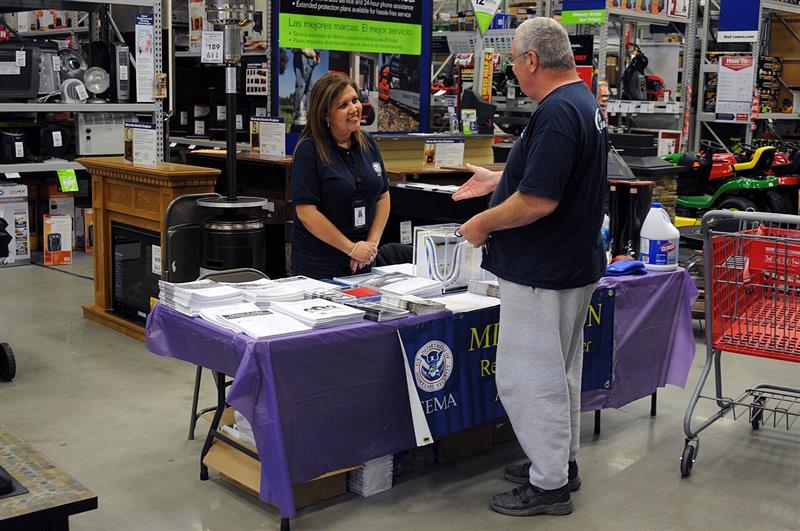
Storm & Flood Damage Cleanup
Rainwater extraction, flood cleanup, roof leak tarping support, and storm damage restoration for Marietta and Cobb County properties.
Water Damage Restoration
Professional water damage cleanup, water extraction, structural drying, and damage restoration for homes, apartments, and commercial properties in Marietta and Cobb County.
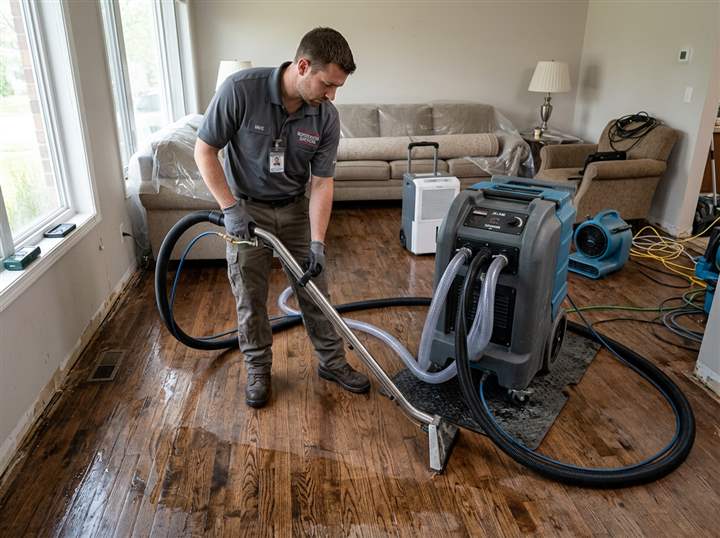
Appliance Water Damage
Water extraction, subfloor drying, cabinet moisture removal, and structural cleanup for washing machine, dishwasher, and water heater leaks in Marietta.
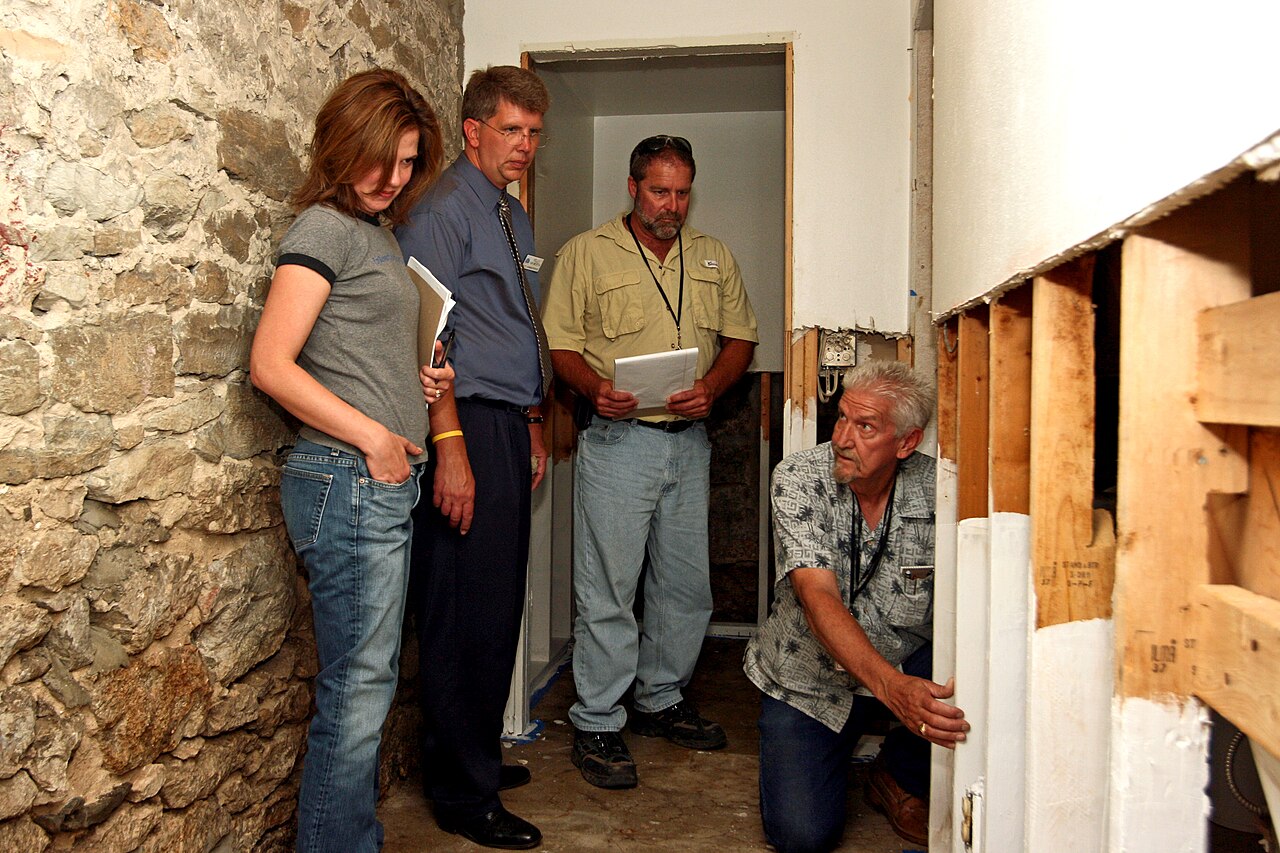
Mold Remediation & Removal
Professional mold containment, structural surface cleaning, HEPA air filtration, and underlying moisture remediation in Marietta and Cobb County.
Need Water Damage Restoration in Marietta?
Call now to discuss your water damage situation and the next steps.