Storm Damage Cleanup & Water Mitigation in Marietta, GA
Rainwater extraction, flood cleanup, roof leak tarping support, and storm damage restoration for Marietta and Cobb County properties.

Affected by Heavy Rain or Storm Flooding in Marietta?
Flash flooding, storm runoff, and rainwater intrusion require rapid water extraction and structural drying. Connect with specialists across Cobb County.
Storm Water Intrusion & Contamination Risk
Severe weather events, torrential rainfall, and flash flooding introduce large volumes of surface runoff into ground-level structures, basements, and foundation crawl spaces. Under the ANSI/IICRC S500 Standard for Professional Water Damage Restoration and the March 2026 IICRC position statement on weather-related water damage, outdoor floodwater entering buildings is classified as Category 2 (grey water) or Category 3 (black water). Ground runoff picks up soil bacteria, silt, fertilizers, and environmental contaminants before entering living spaces. Learn more about water classification in our guide on water damage categories and classes.
In addition to ground surface flooding, severe windstorms can dislodge roof shingles or damage wall flashing, allowing wind-driven rain to penetrate attic spaces and ceiling joists. Prompt extraction and structural drying are essential to prevent secondary mold growth and wood rot inside building framing.
Immediate Storm Hazard & Structural Safety Measures
Taking safety precautions during severe weather losses limits injury risks and secondary structural collapse.
- Shut off main electrical breakers if outdoor rainwater enters electrical panels or lower-level wall outlets.
- Inspect sagging ceiling drywall for pooled water weight before entering storm-impacted rooms.
- Avoid walking through flooded basement water without protective boots due to submerged trip hazards and potential electrical currents.
Storm Debris Extraction & Structural Drying Protocols
Restoring storm-damaged properties requires addressing both bulk water volume and outdoor debris introduced by flash flooding:
Silt & Debris Clearing
Crews remove mud, silt, organic debris, and ruined carpet underlayment deposited by ground floodwater before applying sanitizing washdowns.
Structural Cavity Drying
High-output air movers and LGR dehumidifiers pull bound moisture from wet wall studs and subfloors to meet dry standards within 24 to 48 hours.
According to U.S. Environmental Protection Agency (EPA) guidelines, saturated building materials must be thoroughly dried within 24 to 48 hours to prevent mold spore amplification. Review our complete water damage restoration process guide to learn more about structural drying equipment.
Storm vs. Flood Insurance Coverage Nuances in Georgia
In Georgia, standard homeowners insurance policies generally cover internal water damage caused by wind-driven rain entering through a storm-damaged roof or broken window. However, policies routinely exclude damage caused by rising surface floodwaters or overflowing creeks, which require a separate flood insurance policy. Property owners should document storm damage immediately with photos. For additional information, consult our detailed guide on homeowners insurance water damage in Georgia.
When to Call a Professional for Storm Damage Cleanup
While minor window sill drips can be wiped clean with household towels, professional mitigation is recommended under the following criteria:
- Rising outdoor floodwater or creek runoff has entered ground levels or basements.
- Wind-driven rainwater has saturated upper-floor ceilings, wall cavities, or light fixtures.
- Flood-soaked materials have sat past the EPA's recommended 24-to-48-hour drying window — especially risky with silt-laden stormwater.
- Mud, silt, or organic debris has accumulated on interior flooring or subfloors.
- Rising floodwater has reached wall outlets or the electrical panel — do not enter standing water until power to the area is cut.
Data Sources & Standards Referenced
Technical guidance on storm flood extraction and structural drying is compiled from authoritative standards:
- • ANSI/IICRC S500: Standard for Professional Water Damage Restoration (5th Edition, 2021 & March 2026 Weather Position Statement)
- • U.S. Environmental Protection Agency: A Brief Guide to Mold, Moisture, and Your Home
General informational guidance, not legal, insurance, engineering, or medical advice.
Storm Damage Service Highlights:
- Flash flood water extraction & mud removal
- Storm rainwater damage assessment
- Temporary tarping & window board-up support
- Subfloor, wall, & basement drying
- Complete interior structural restoration
Nearby Service Areas
Storm damage cleanup and flood water extraction services are available throughout Cobb County municipalities:
Storm & Flood Damage Capabilities
Flash flood extraction, silt clearing, structural wall drying, and antimicrobial decontamination.
Flash Flood Extraction
High-volume trash pumps and water extraction units remove large volumes of rainwater and ground floodwater.
Debris & Silt Cleanup
Clear mud, silt, and outdoor debris washed into basements, garages, and low ground floors.
Structural Wall & Floor Drying
Deploy commercial air movers and dehumidification systems to dry out soaked wall cavity insulation.
Sanitization & Odor Neutralization
Sanitize ground floodwater intrusion areas with antimicrobial agents to prevent bacterial growth.
Storm Damage Cleanup Process
The 5-step storm damage restoration process removes rainwater, clears debris, and dries out wet wall assemblies.
Emergency Inspection & Water Triage
Assess storm entry points, check electrical safety, and evaluate standing water depth.
Bulk Rainwater Extraction
Pump standing rainwater and surface runoff out of basements, crawlspaces, and ground levels.
Mud & Contaminated Material Removal
Remove silt, mud, wet carpet, and ruined drywall damaged by outdoor floodwater.
Antimicrobial Washdown & Drying
Disinfect structural framing and run dehumidifiers until dry standards are achieved.
Interior Wall & Ceiling Restoration
Rebuild drywall, replace insulation, and restore interior rooms to pre-storm condition.
Cobb County Storm Response & Flood Relief
Severe weather in Marietta, Austell, and surrounding Cobb County areas can cause sudden creek overflows, storm sewer back-ups, and roof leaks. Local restoration service helps mitigate structural moisture.
Storm damage cleanup across Marietta & Cobb County
Storm & Flood Damage FAQ
Answers to common questions about storm flood contamination, roof leaks, and basement drying.
Is storm floodwater considered contaminated?
Yes. Ground floodwater that enters a building from storms or overflowing creeks is classified as Category 3 (black water) because it carries ground soil, bacteria, and fertilizers.
What should I do if water is coming through my roof after a storm?
First, move furniture away from leaks and place buckets underneath. Call for water extraction and roof tarping support to prevent further ceiling collapse.
How do you dry out a flooded basement in Marietta?
Restoration crews pump out standing water, remove waterlogged carpets or drywall, set up industrial air movers, and operate high-capacity dehumidifiers until concrete slab and wall framing test dry.
Does homeowners insurance cover rainwater damage from storm events in Georgia?
Standard Georgia homeowners insurance typically covers interior water damage caused by storm-driven rain entering through wind-damaged roofs or windows. However, damage from rising outdoor floodwaters or ground surface runoff generally requires a separate flood insurance policy.
How long does storm damage cleanup take for a residential property?
Initial water extraction and debris clearing are performed promptly. Complete structural drying of wet wall studs and subfloors varies depending on saturation depth and humidity, monitored with daily moisture logs.
Can storm runoff cause mold growth if not extracted quickly?
Yes. Storm runoff introduces moisture into organic building materials like drywall and insulation. According to EPA guidelines, wet materials must be thoroughly dried within 24 to 48 hours to prevent mold spore amplification.
Complementary Restoration Services
Explore water damage cleanup, sewage decontamination, and commercial restoration options.
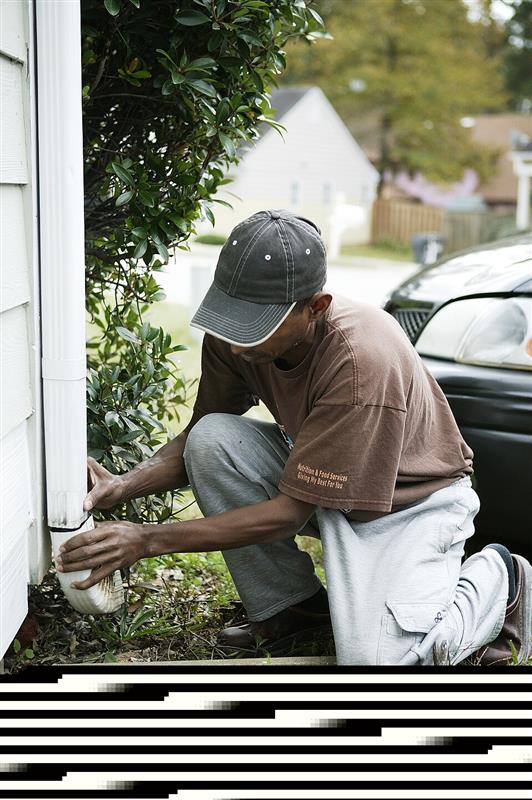
Water Damage Restoration
Professional water damage cleanup, water extraction, structural drying, and damage restoration for homes, apartments, and commercial properties in Marietta and Cobb County.
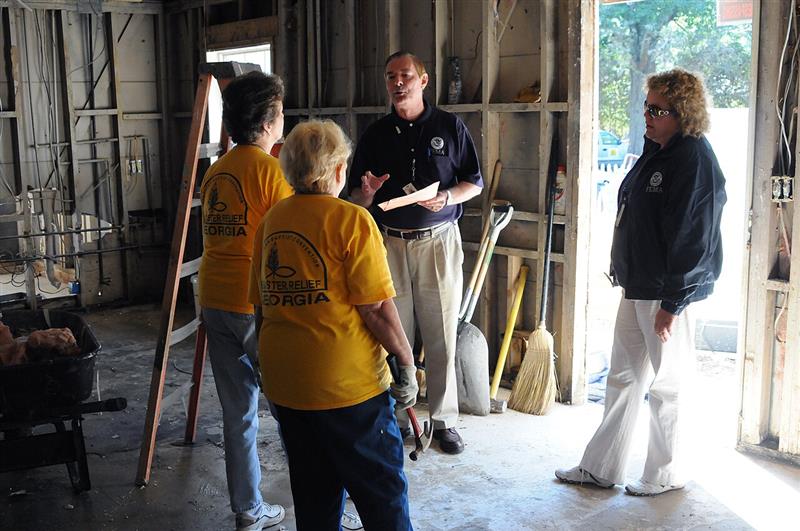
Sewage Backup Cleanup
Safe, professional cleanup of sewage backups and black water contamination in Marietta homes — Category 3 water handled with full containment, sanitization, and proper disposal.
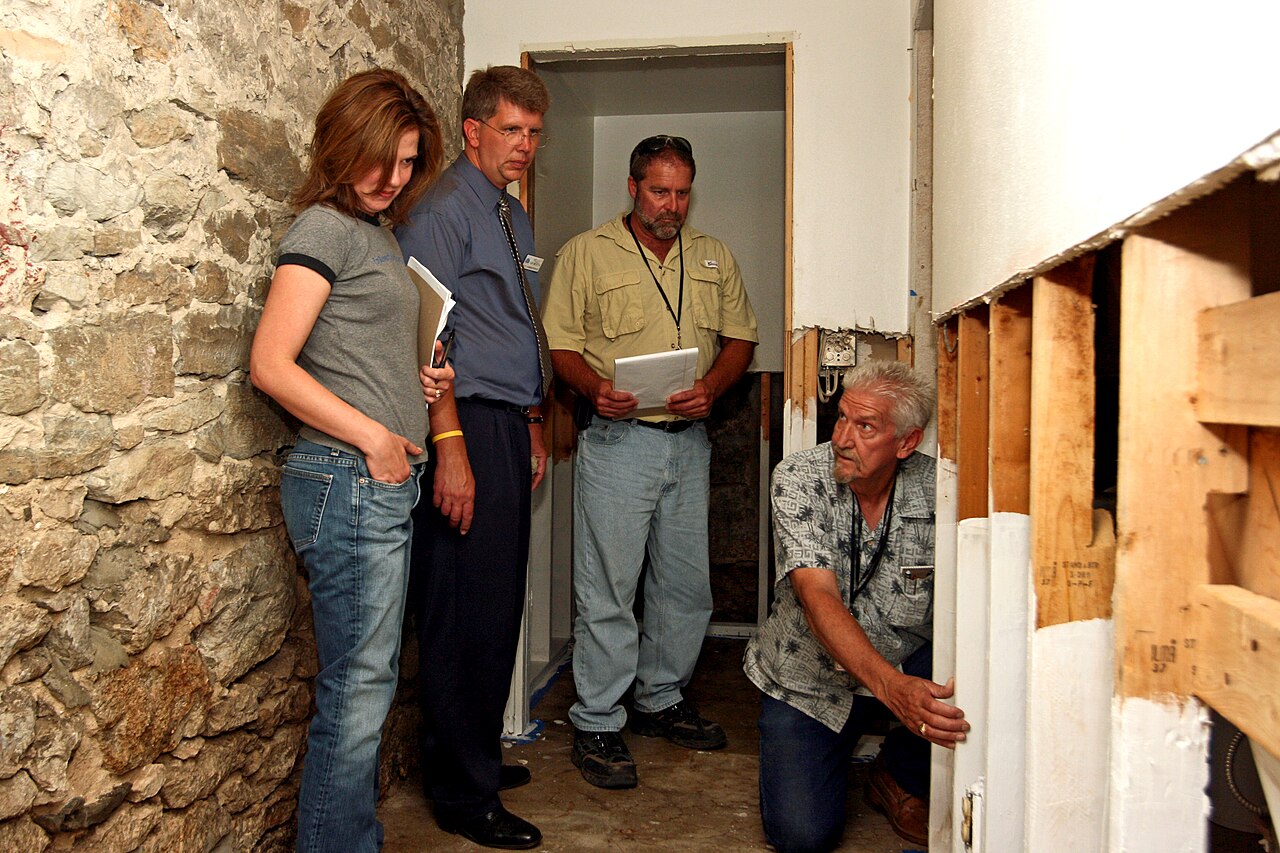
Commercial Water Restoration
Commercial water extraction, structural drying, and facility restoration for offices, retail stores, and multi-unit buildings in Marietta.
Need Water Damage Restoration in Marietta?
Call now to discuss your water damage situation and the next steps.