AC Condensate Line Leak Damage: The Slow Leak That Rots Ceilings and Walls
A clogged AC condensate drain overflows a little at a time, soaking ceilings and closet walls through Georgia summers and into fall — often for weeks before a stain appears. Learn how the clog forms, where the damage shows up, and what to do when you find it.
Quick Answer
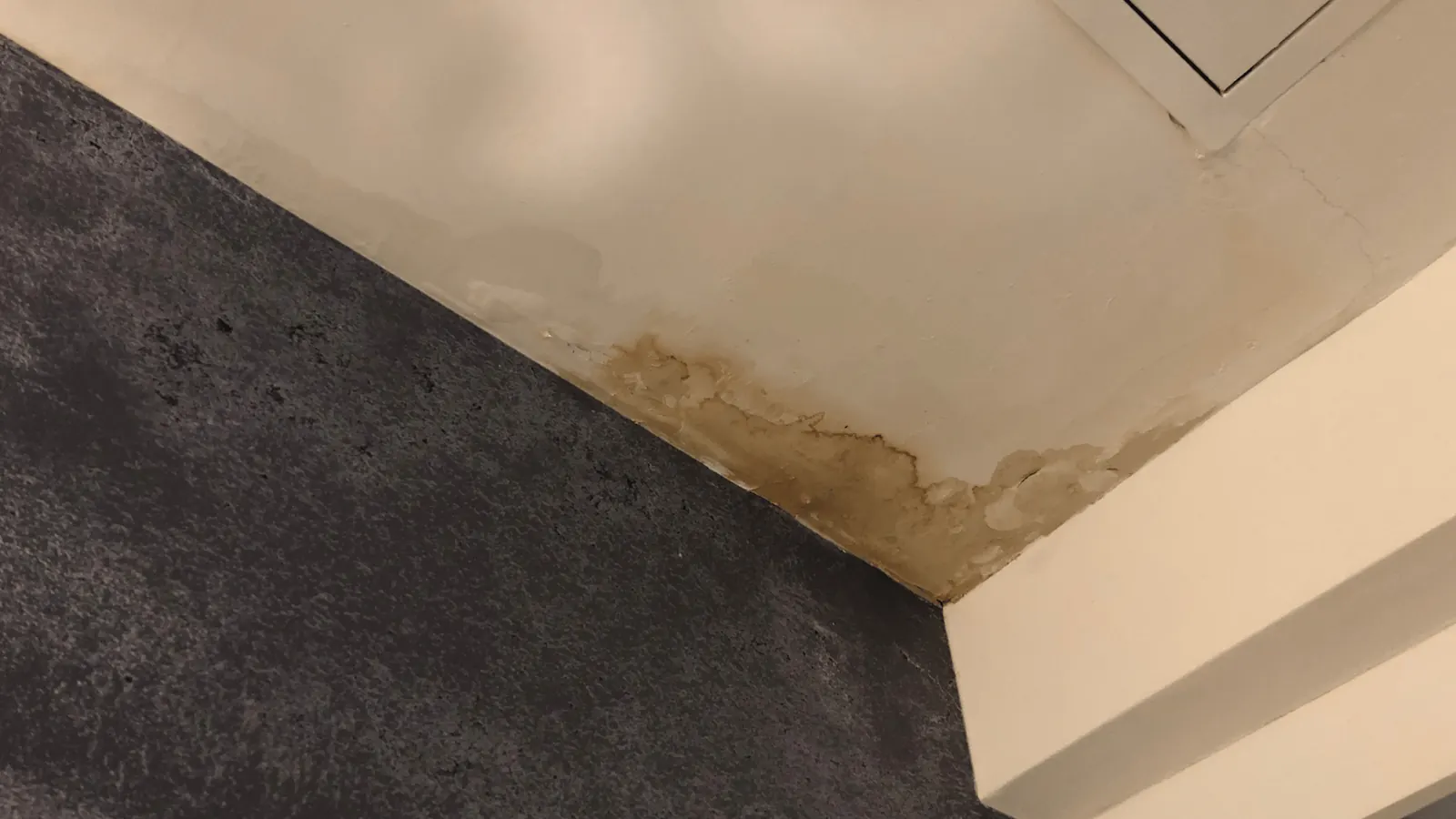
A clogged AC condensate drain is a slow, silent leak. The drain pan overflows a little at a time, soaking ceilings, closet walls, and flooring for weeks before a stain finally shows. Turn the system off, check the pan and drain line, and have any wet building materials measured — the drip is easy to stop, but the hidden moisture is the real damage.
Most water damage announces itself — a burst pipe, a flooded floor. A condensate leak whispers. Through a long Georgia summer and into the warm weeks of fall, a Marietta air conditioner runs for hours every day, pulling humidity out of the air. That moisture collects on the cooling coil and drains away through a narrow line. When the line clogs with algae and sludge — a common problem in warm, damp drain pans — the water has nowhere to go except over the edge of the pan.
Because the overflow is small and the system still cools the house, nothing seems wrong. Meanwhile water drips onto the ceiling below an attic air handler or runs down inside a closet wall. By the time a stain, a musty smell, or soft drywall appears, nearby materials may have been wet for weeks.
How a Condensate Drain Clogs and Overflows
The drainage path is simple, which is why each weak point matters:
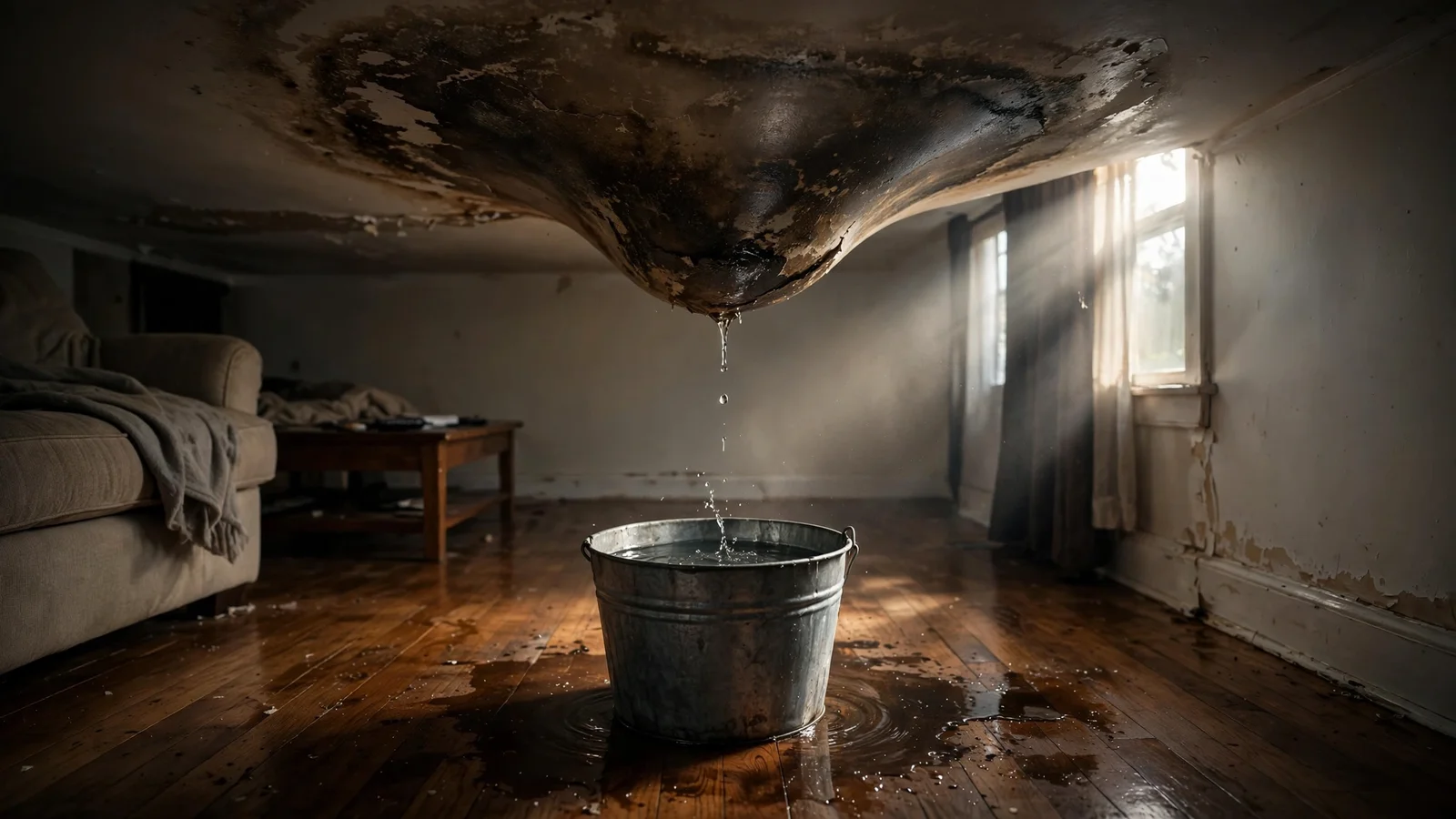
- 1.The drain line clogs. The primary drain is a narrow pipe, and its warm, wet interior grows algae and biofilm. A partial blockage slows drainage; a full one backs water into the pan. Clogs build gradually, often over one heavy cooling season.
- 2.The pan overflows or fails. The drain pan under the coil is shallow. Once drainage slows, normal condensate production fills it. Older metal pans also rust through, and cracked plastic pans leak steadily even when the drain itself is clear.
- 3.The secondary drain backs up too. Many systems have a secondary pan and drain meant as a backup. If both lines share the same clog or the secondary outlet is blocked, the backup quietly fails as well — and the first sign is water where it should never be.
- 4.The condensate pump stops working. Homes where the drain must run uphill use a small pump. When it fails, the reservoir overflows beside the unit — often in a closet, utility room, or finished basement where the spill spreads under flooring unnoticed.
Where the Damage Appears in Marietta Homes
Where the water lands depends on where the air handler sits. In many Cobb County homes it is in the attic, so overflow soaks insulation and ceiling drywall from above, and the first visible sign is a yellowing ceiling stain or paint that starts to bubble — often in a bedroom or hallway below. In homes with a closet or garage air handler, water runs down inside the closet wall, wicks into baseboards and the flooring of the room on the other side, and can sit under carpet or laminate for weeks.
The slow pace makes condensate damage deceptive. Drywall that stays damp loses strength and its paper backing feeds mold. Framing and subflooring wetted a little more each day never fully dry between cooling cycles, so by fall a homeowner can face a soft ceiling, a warped floor, and growth inside a wall cavity — all from a drain line nobody noticed clogging.
What to Do When You Find Condensate Water Damage
- 1.Turn the system off. Switching the AC off at the thermostat stops new condensate from forming. Running it "just for the night" adds another night of overflow.
- 2.Check the pan and the drain outlet. If the pan is full of standing water, the drain is not doing its job. Outside, the drain line usually ends near the foundation — on a running system it should drip steadily on a humid day. No drip can mean a clog.
- 3.Protect what is below and document. Move belongings away from a stained or dripping ceiling, place a container under any active drip, and photograph stains, wet walls, and the unit area before cleanup begins.
- 4.Get the drain cleared and the structure checked. An HVAC technician clears the line and confirms the pan and any float switch work. Separately, a restoration provider can measure moisture in the ceiling, walls, and flooring to show how far the water traveled and dry what is still wet. To connect with an independent local provider, call +1 (470) 804-0012.
- 5.Add prevention to the routine. Have the drain line flushed during regular HVAC servicing, keep the area around the air handler visible rather than boxed in with storage, and glance at ceilings below attic units after heavy cooling weeks. See also the guides on preventing water damage in Marietta homes and mold after water damage.
Frequently Asked Questions About AC Condensate Leaks
How much water does an AC condensate line actually move?
More than most homeowners expect. On a humid Georgia day, a hard-working air conditioner pulls a steady stream of moisture from indoor air, all of it leaving through the condensate drain. A partial clog slows drainage, so the pan fills a little more each cycle until it spills.
Why is there water around my air handler or in the closet under it?
That usually means the primary drain is clogged or the pan has cracked, and condensate is overflowing instead of draining. Turn the system off at the thermostat so it stops producing condensate, and do not run it again until the drain is cleared — every cycle adds more water.
Can a condensate leak cause mold?
Yes — it is a common hidden mold source because the leak is slow and nearby materials stay damp for weeks. Mold can begin growing on wet drywall and wood within 24–48 hours of sustained moisture, and a condensate drip keeps resetting that clock all summer.
What is a float switch, and does my system have one?
A float switch sits in the drain pan or line and shuts the air conditioner off when water rises too high. Many newer systems include one; older Marietta homes often do not. If your system kept running while the pan overflowed, it likely has no switch, or the switch failed. An HVAC technician can confirm.
The ceiling stain is dry now. Is the damage over?
Not necessarily. A ceiling can feel dry at the surface while the insulation above it is still damp, especially if the leak stopped only because the AC stopped running. Moisture readings are the reliable check before repainting — paint over a damp ceiling usually bubbles and peels again.
Who fixes what — the drain or the water damage?
Two separate jobs. An HVAC technician clears or repairs the drain line, pan, and pump so the leak stops. A restoration provider handles the building side: finding where water traveled, drying ceilings and wall cavities, and addressing mold growth. Stopping the drip without drying the structure leaves the second problem behind.
Data Sources & Standards Referenced
Found a ceiling stain or water around your air handler? Stopping the drip is step one — drying what it soaked is step two. Call +1 (470) 804-0012 to connect with an independent local restoration provider in the Marietta area.
Related Guides
Marietta Service Hubs
Water damage restoration services are available across Cobb County municipalities:
Complementary Restoration Services
Explore additional specialized water damage, sewage, pipe repair, and flood cleanup services in Marietta.

Ceiling Water Damage Repair
Ceiling stains, sagging drywall, and active drips in Marietta homes — the source above gets found, the cavity dried, and the ceiling restored properly.
Water Damage Restoration
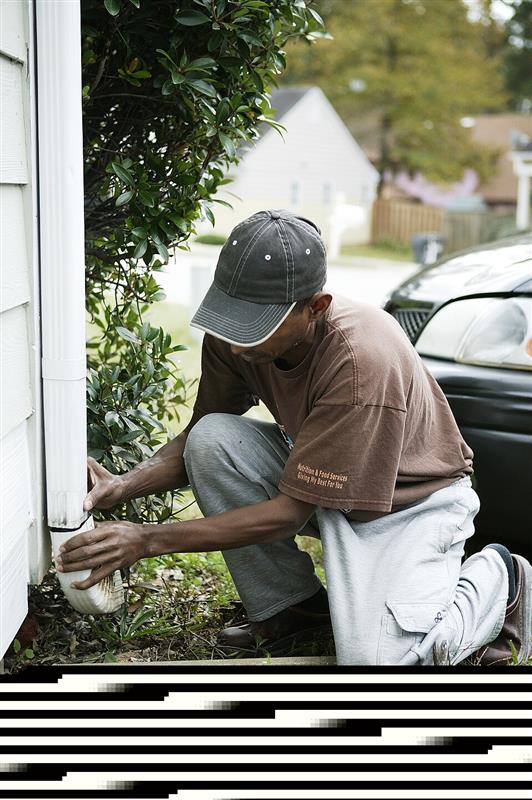
Professional water damage cleanup, water extraction, structural drying, and damage restoration for homes, apartments, and commercial properties in Marietta and Cobb County.
Appliance Water Damage
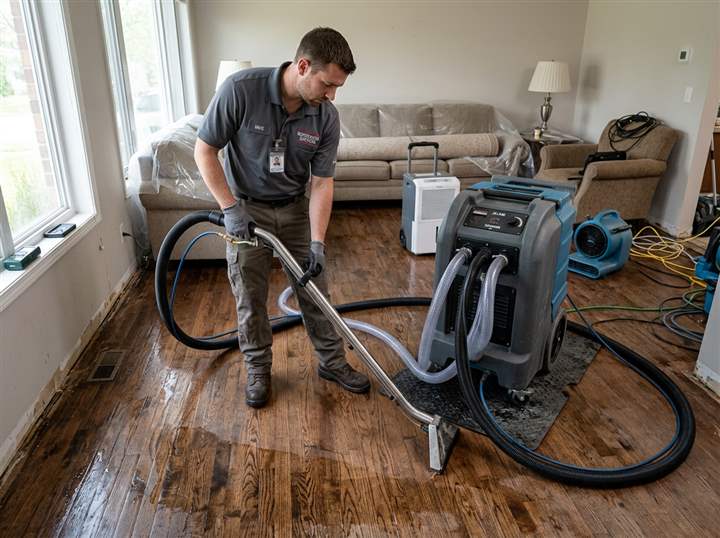
Water extraction, subfloor drying, cabinet moisture removal, and structural cleanup for washing machine, dishwasher, and water heater leaks in Marietta.
Need Water Damage Restoration in Marietta?
Call now to discuss your water damage situation and the next steps.