Water Heater Leaking: 7 Signs Your Tank Is About to Fail (Marietta Guide)
A water heater leaking in your Marietta home can flood it with 40–50 gallons in minutes. Learn the 7 warning signs of a failing water heater — from rusty water to rumbling tanks — and what to do before it bursts.
Quick Answer
A water heater leaking in your home shows these warning signs: rusty or discolored hot water, puddles or damp spots around the tank base, a rumbling or popping tank, inconsistent water temperature, a rotten-egg smell, a dripping pressure relief valve, and a tank over 10 years old. Catching a leaking water heater early can save your Marietta home from 40–50 gallons of sudden flooding.
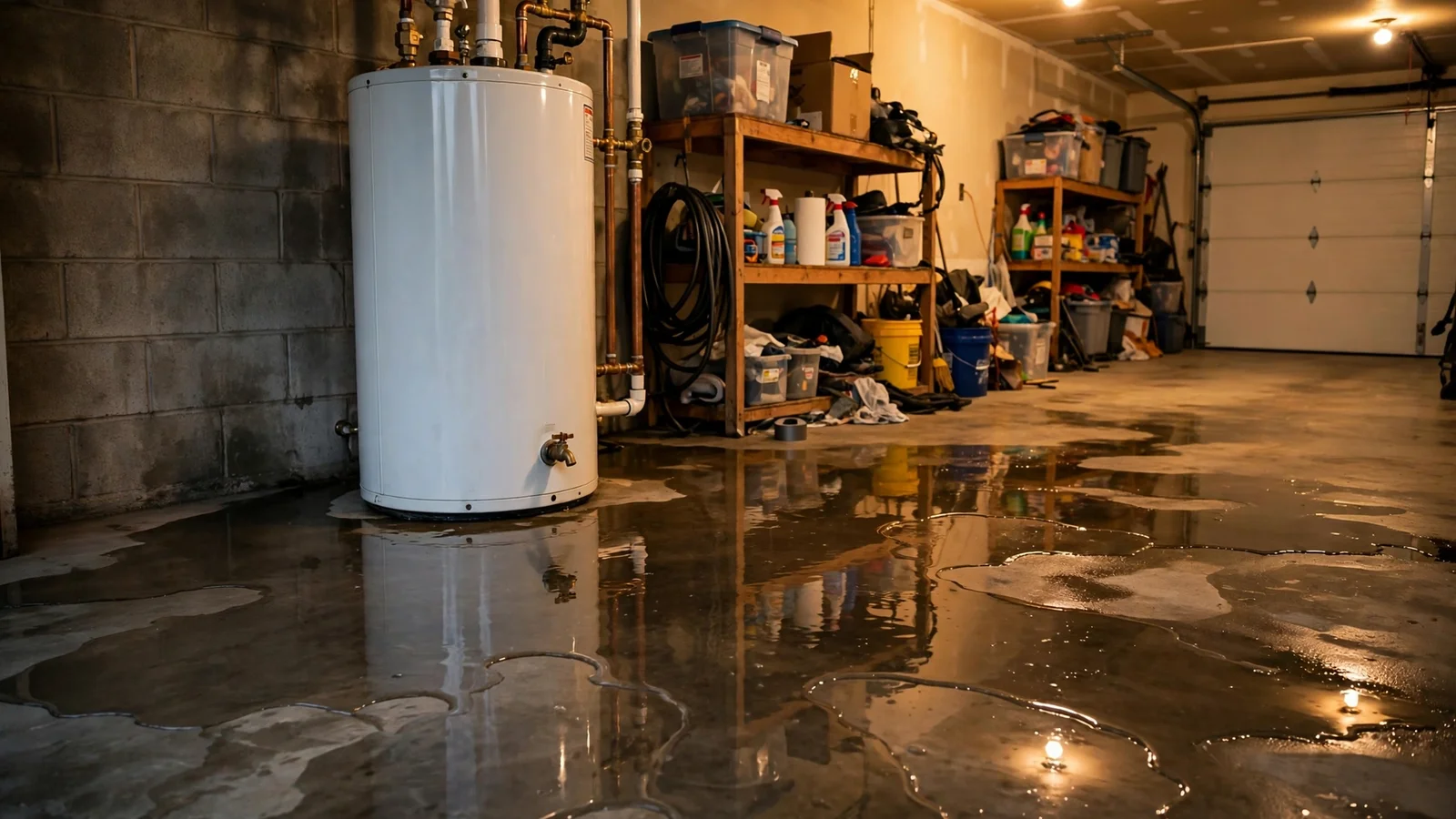
A water heater leaking doesn't usually start politely. One day it's quietly doing its job in the garage, closet, or attic — the next, it's dumping its entire tank across your floor. With most residential tanks holding 40 to 50 gallons, a ruptured water heater can cause thousands of dollars in damage in a single afternoon. It's one of the most common sources of sudden residential water damage in Marietta, and most of the time, the tank was sending warnings for weeks before it let go.
The good news: water heaters almost always telegraph their failure. This guide covers the 7 warning signs that matter, why water heaters in Cobb County homes fail the way they do, and what to do if yours is already leaking.
Already seeing water around your tank? Don't wait for it to spread — call +1 (470) 804-0012 for emergency response in the Marietta area.
Why Water Heaters Fail in Marietta Homes
Water heaters last 8–12 years on average, and the age of the tank is the single biggest risk factor. Many homes across Marietta — especially the ranch and split-level properties built from the 1970s through the 1990s — are on their second or even original water heater. If your tank is pushing past a decade, it's living on borrowed time.
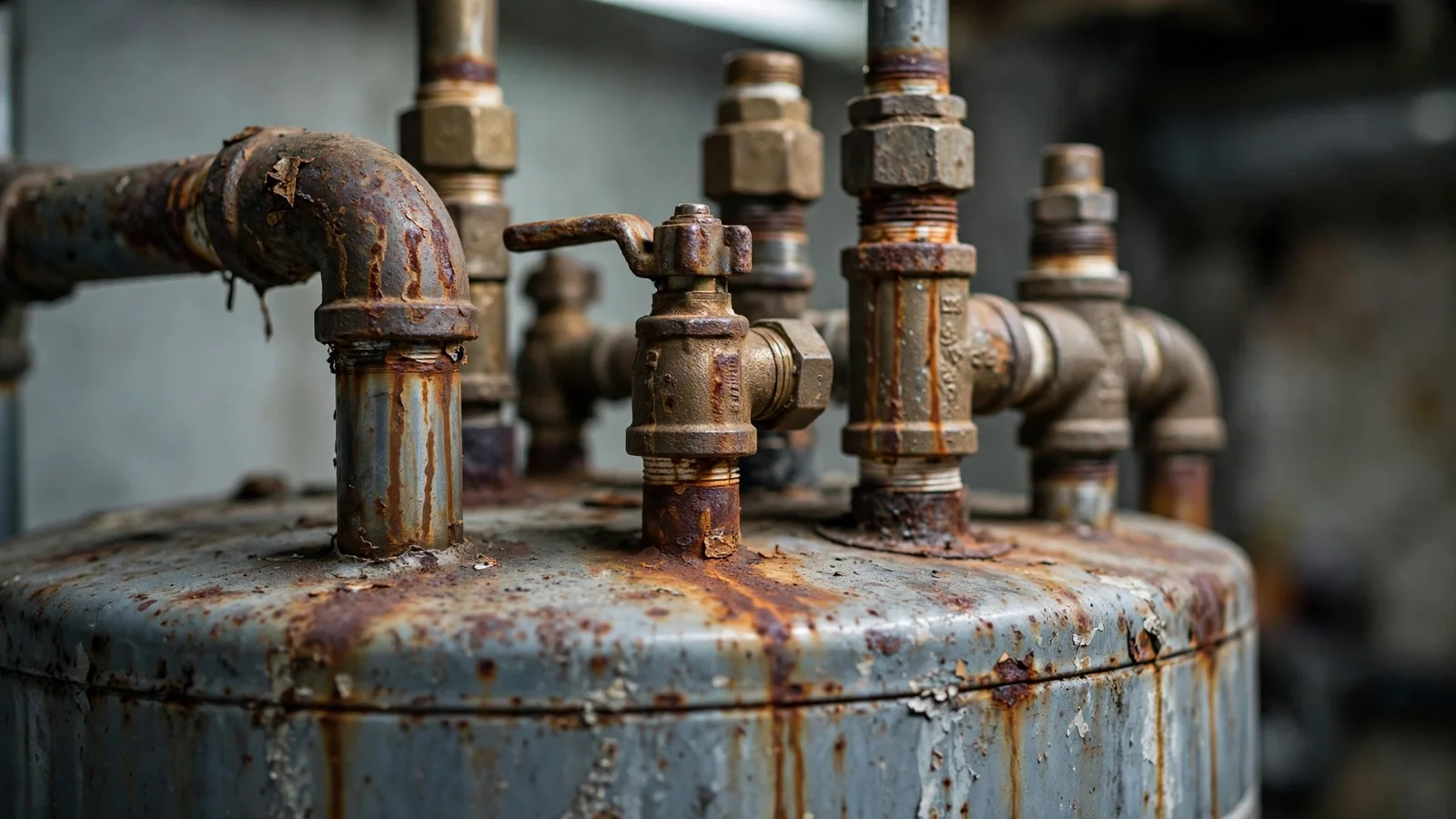
Georgia conditions accelerate the decline:
- 1.Sediment buildup: Marietta's municipal water leaves mineral sediment that settles and hardens at the bottom of the tank, overheating the steel and causing the rumbling noises owners often mistake for "normal."
- 2.Humidity and corrosion: Georgia's year-round humidity is brutal on unprotected metal. Tanks in garages and crawlspaces — common placements in Cobb County homes — corrode faster than identical tanks in drier climates.
- 3.Attic installations: Many Marietta homes tuck the water heater in the attic. When an attic tank fails, water pours through ceilings, insulation, and light fixtures onto the rooms below — a leak that would be a mess in a garage becomes a multi-room disaster.
- 4.Heavy demand cycling: Large households and hot Georgia summers mean heavy hot-water use, and every heating cycle stresses the tank's lining and welds a little more.
Find your tank's manufacture date on the serial number label (the first characters usually encode month and year). If you can't find it, assume the worst if the home is more than 10 years old and you've never replaced it.
7 Signs Your Water Heater Is About to Leak
1. Rusty or Discolored Hot Water
If your hot water runs brown, yellow, or reddish while the cold water runs clear, the inside of your tank is rusting. Once corrosion breaks through the glass lining of a steel tank, the tank wall itself is next. This is one of the most reliable water heater leaking signs — and one of the most ignored.
Quick test: Fill a bucket from a hot-only tap, then do the same with cold. If only the hot water is discolored, the problem is the tank, not your pipes.
2. Puddles or Damp Spots Around the Tank Base
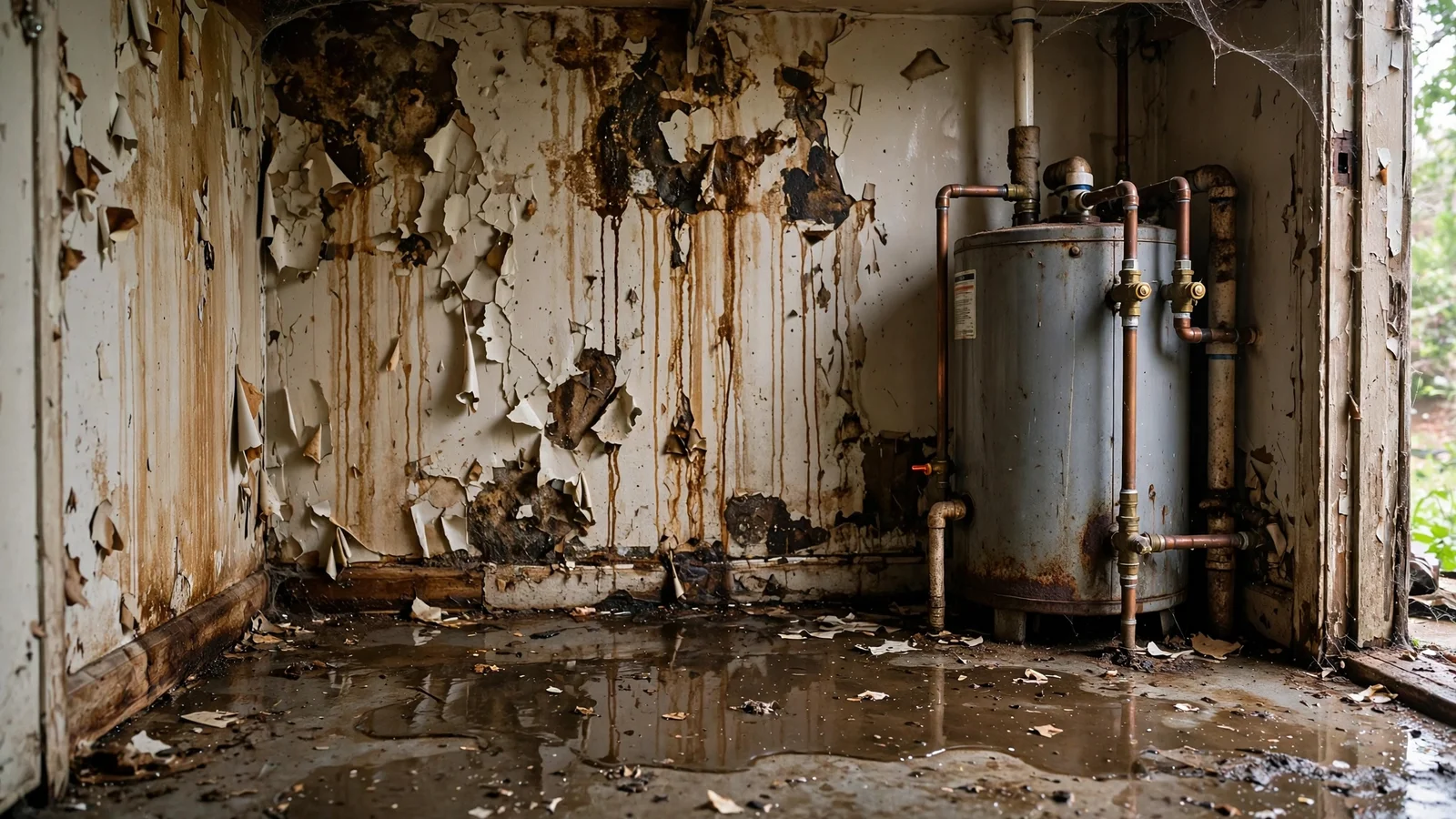
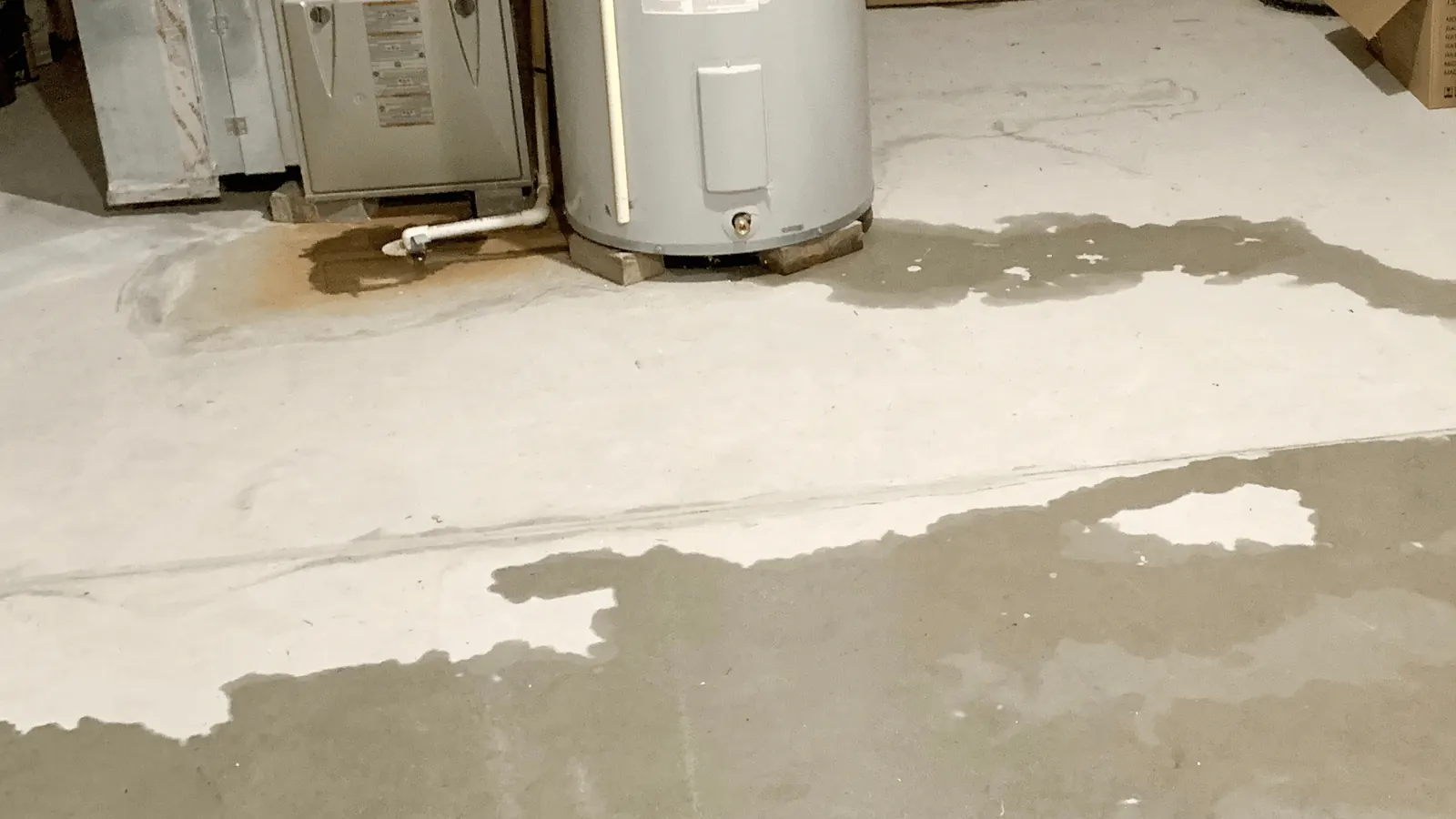
Any moisture at the base of the tank is a red flag. Small seeps often appear before a full rupture — a damp ring on the concrete, darkening on the drywall behind the tank, or water sitting in the drain pan. Check the base monthly with a flashlight and look for rust-colored streaks running down the tank's exterior — those are dried leak trails.
3. Rumbling, Popping, or Banging Noises
A healthy water heater is nearly silent. Loud rumbling, popping, or kettle-like banging means thick sediment has built up on the tank floor — water trapped underneath boils, steam bursts through, and the tank shudders. That overheated sediment layer is cooking the tank bottom and shortening its life dramatically. A one-time flush can help if the tank is young. If it's old and noisy, the damage is already done — plan a replacement, not a repair.
4. Inconsistent Water Temperature
Water that's scalding one minute and lukewarm the next, or hot water that runs out far faster than it used to, points to a failing heating element or sediment-coated tank interior. Temperature swings alone don't mean a leak is imminent — but they mean the tank is struggling, and a struggling tank is worth inspecting for the other signs on this list.
5. Rotten-Egg Smell in Hot Water
A sulfur or rotten-egg smell from hot water taps comes from bacteria reacting with the tank's sacrificial anode rod. The anode rod is the component that corrodes instead of the tank — once it's consumed, the tank itself starts rusting. The smell is your warning that the rod is spent and the tank is now unprotected.
6. A Leaking Temperature-Pressure Relief (TPR) Valve
The TPR valve (usually on the side or top of the tank, with a small discharge pipe) releases water when pressure or temperature gets too high. If it's constantly dripping, something is wrong — either the valve has failed or the tank is genuinely over-pressurizing. Don't cap it or plug the discharge pipe; get it checked.
7. The Tank Is Over 10 Years Old
Age alone is a warning sign. Most manufacturers design for roughly a decade of service, and tank failures in years 10–15 are common. If your tank is past its 10th birthday, start budgeting for replacement and check it regularly. Proactive replacement is always cheaper than emergency water damage cleanup.
What to Do If Your Water Heater Is Leaking Right Now
If you've found active leaking — dripping, pooling, spraying — treat it as an emergency and work in this order:
- 1.Shut off the cold water supply to the tank. There's a shut-off valve on the cold inlet pipe above the heater. Turn it clockwise. This stops new water from feeding the leak.
- 2.Turn off the heat source. For electric heaters, switch off the breaker. For gas heaters, turn the gas control knob to "pilot" or "off." Never let a tank heat with low or no water inside — it can rupture violently.
- 3.Drain the tank if you can do it safely. Attach a garden hose to the drain valve at the tank's base and run it to a floor drain or outside (downhill). If the valve is corroded shut, don't force it — leave draining to a professional.
- 4.Move valuables and contain the water. Towels and a wet/dry vacuum handle small seeps. For a serious leak, protect flooring, drywall, and anything the water is flowing toward — especially if the heater is in an attic or an upper floor.
- 5.Call for emergency help: +1 (470) 804-0012. Even clean tank water soaks into subflooring, drywall, and insulation fast, and trapped moisture starts growing mold within 24–48 hours in Georgia's humidity. Professional extraction and structural drying in the first hours is what keeps a water heater failure a cleanup instead of a renovation. (Water heater leaks are typically Category 1 "clean water" — see our water damage categories guide — but clean water becomes a mold problem fast if it sits.)
Do not try to patch or seal a leaking tank. Epoxy, tape, and sealants don't hold on a pressurized, heated steel tank — and a tank that's leaking in one spot is corroded everywhere. A leaking tank needs replacement, full stop.
Preventing the Next Water Heater Disaster
- 1.Replace proactively at 10 years. Mark the manufacture date on your calendar. A planned replacement costs a fraction of flood cleanup plus replacement.
- 2.Flush the tank annually. Draining a few gallons from the drain valve each year clears sediment before it hardens. Skip this if the tank is very old and never been flushed — disturbing a decade of sediment can trigger the failure you're trying to avoid.
- 3.Check the anode rod every 3 years. Replacing a spent anode rod can add years to a tank's life.
- 4.Install a leak detector. A simple water sensor with an alarm by the tank buys you the early warning that prevents a weekend-away disaster.
- 5.Keep the area clear. Don't stack boxes against the tank — you need to see the base, and airflow matters in humid garages.
A water heater is the kind of appliance you forget until it reminds you. Walk past yours once a month, look at the base, listen for noise, and know its age. Two minutes of attention is the difference between a scheduled Saturday replacement and water pouring through your ceiling on a Tuesday night.
Frequently Asked Questions About Water Heater Leaks
How long do water heaters last in Georgia?
Typically 8–12 years. Georgia's humidity and mineral-heavy water tend to push tanks toward the shorter end of that range, especially units installed in garages, crawlspaces, or attics where corrosion accelerates.
Is a leaking water heater an emergency?
Yes, if it's actively leaking. A tank can release its full 40–50 gallons quickly, and water spreads into flooring and walls far faster than it dries. Shut off the water supply and heat source, contain what you can, and get professional extraction started — mold begins within 24–48 hours in Georgia humidity.
Can I repair a leaking water heater, or does it need replacement?
Replacement. A leaking tank means the steel has corroded through, and corrosion is never localized — sealants and patches fail under heat and pressure. Valves and fittings around the tank can sometimes be repaired, but a leaking tank body is done.
Will homeowners insurance cover water heater leak damage?
Usually, yes — sudden and accidental discharge from a water heater is typically covered under standard Georgia homeowners policies, though the new water heater itself usually isn't. Gradual leaks you knew about may be denied. Document everything with photos and call your insurer promptly. See our Georgia homeowners insurance guide for details.
Where are water heaters usually located in Marietta homes?
Common spots: the garage, a utility closet, a crawlspace, or the attic — attic placement is especially common in Georgia and turns a leak into ceiling and multi-room damage. Know where yours is before it fails.
How much water does a water heater hold?
Most residential tanks in Marietta homes hold 40 or 50 gallons. That's enough to flood a room's flooring and soak into subflooring within minutes of a rupture — which is why fast shutoff and extraction matter so much.
Why is my water heater leaking from the bottom?
A leak from the bottom usually means the tank itself has corroded through — sediment buildup overheats the tank floor until the steel gives way — or the drain valve at the base has failed. Either way, shut off the water supply and the heat source, and plan for a replacement: a tank leaking from the bottom can't be patched.
Is a leaking water heater dangerous?
It can be. Beyond the flooding, a leaking tank can scald (superheated water escaping under pressure), grow mold within 24–48 hours in Georgia humidity, and — if the tank runs dry while still heating — rupture violently. An actively leaking water heater is an emergency: shut off water and power/gas, then call for help.
Data Sources & Standards Referenced
Water pooling around your tank, or a heater that's well past its prime? Don't wait for the rupture — call +1 (470) 804-0012 for emergency response in the Marietta area.
Related Guides
Marietta Service Hubs
Water damage restoration services are available across Cobb County municipalities:
Complementary Restoration Services
Explore additional specialized water damage, sewage, pipe repair, and flood cleanup services in Marietta.
Water Damage Restoration
Professional water damage cleanup, water extraction, structural drying, and damage restoration for homes, apartments, and commercial properties in Marietta and Cobb County.
Burst & Leaking Pipe Repair
Water extraction, wall & ceiling moisture detection, structural drying, and water damage cleanup after burst or leaking pipes in Marietta.
Basement Water Removal
Standing-water removal and extraction, slab dehumidification, finished basement drying, and moisture remediation after heavy rain, sump pump failures, or plumbing bursts in Marietta.
Need Water Damage Restoration in Marietta?
Call now to discuss your water damage situation and the next steps.