Mold After Water Damage: Why Georgia's Humidity Makes It Worse (Marietta Guide)
Mold after water damage can start growing within 24–48 hours — and Georgia's humidity makes Marietta homes especially vulnerable. Learn where mold hides, what proper remediation involves, and how to stop it before it spreads.
Quick Answer
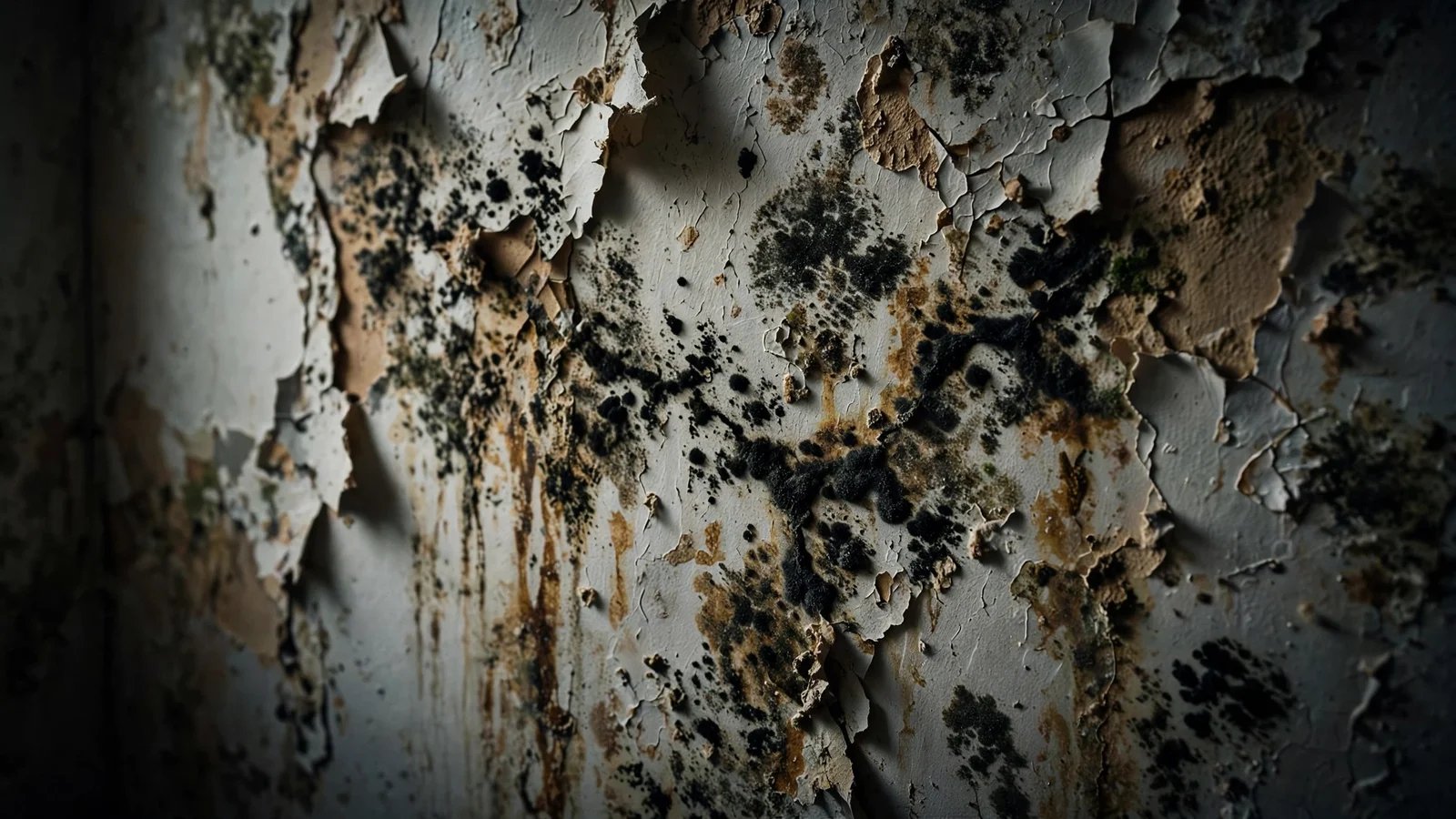
Mold after water damage can begin growing within 24–48 hours on wet drywall, wood, and fabrics — and Georgia's year-round humidity makes Marietta homes mold-prone even after minor leaks. The fix is fast, thorough drying and removal of unsalvageable materials, not just surface cleaning.
A burst pipe gets fixed, the soaked carpet gets hauled out, the walls look dry — and two weeks later there's a musty smell in the hallway and dark spots along the baseboards. That's the typical ending for water damage handled too slowly, or only at the surface.
Mold after water damage isn't a separate problem — it's the second act of it. In Marietta, where summer humidity routinely sits above 70% and crawlspaces stay damp for months, the mold clock runs faster than most homeowners expect. This guide covers why Georgia conditions make mold so aggressive, where it hides in Cobb County homes, what real remediation involves, and the mistakes that turn a small patch into a house-wide problem.
Suspect mold is already growing after a leak or flood? Don't wait for it to spread — call +1 (470) 804-0012 for emergency response in the Marietta area.
Why Mold Shows Up Fast in Georgia Homes
Mold needs three things: moisture, food, and time. A water damage event supplies the moisture; your home supplies the rest — drywall paper, wood framing, carpet backing, and insulation are all mold food. In Georgia, the other ingredients are nearly always present:
- 1.Constant ambient humidity: Outdoor humidity in Marietta regularly runs 70–90% in warmer months, and indoor levels in older homes often sit at 60%+ without dehumidification. When the surrounding air is already saturated, wet materials don't dry back down — they stay damp.
- 2.The 24–48 hour window: Mold spores are everywhere, waiting for moisture. Once materials get wet, colonies can establish within 24–48 hours. In Georgia, the margin is thinner than in drier climates.
- 3.Warm temperatures: Mold grows fastest between 77°F and 86°F — roughly the temperature inside a Marietta home for half the year.
- 4.Housing stock that traps moisture: Many Marietta homes have vented crawlspaces that collect ground moisture, attics with marginal ventilation, and slab foundations that wick moisture into baseboards and bottom plates. Water that gets into these spaces stays there.
In North Georgia, "we'll let it dry out" is not a mold prevention strategy — thorough, verified drying is.
Where Mold Hides After Water Damage
Visible mold is rarely the whole story — after a leak or flood, it most often takes hold where you don't look every day:
- 1.Inside wall cavities: Drywall wicks water upward from a flooded floor or inward from a leaking pipe. The paper backing on the inside face is mold's favorite surface — and it's hidden behind the painted face you see.
- 2.Under flooring: Laminate, engineered hardwood, and carpet pad trap moisture against the subfloor. A floor that "feels dry" on top can be wet underneath for weeks.
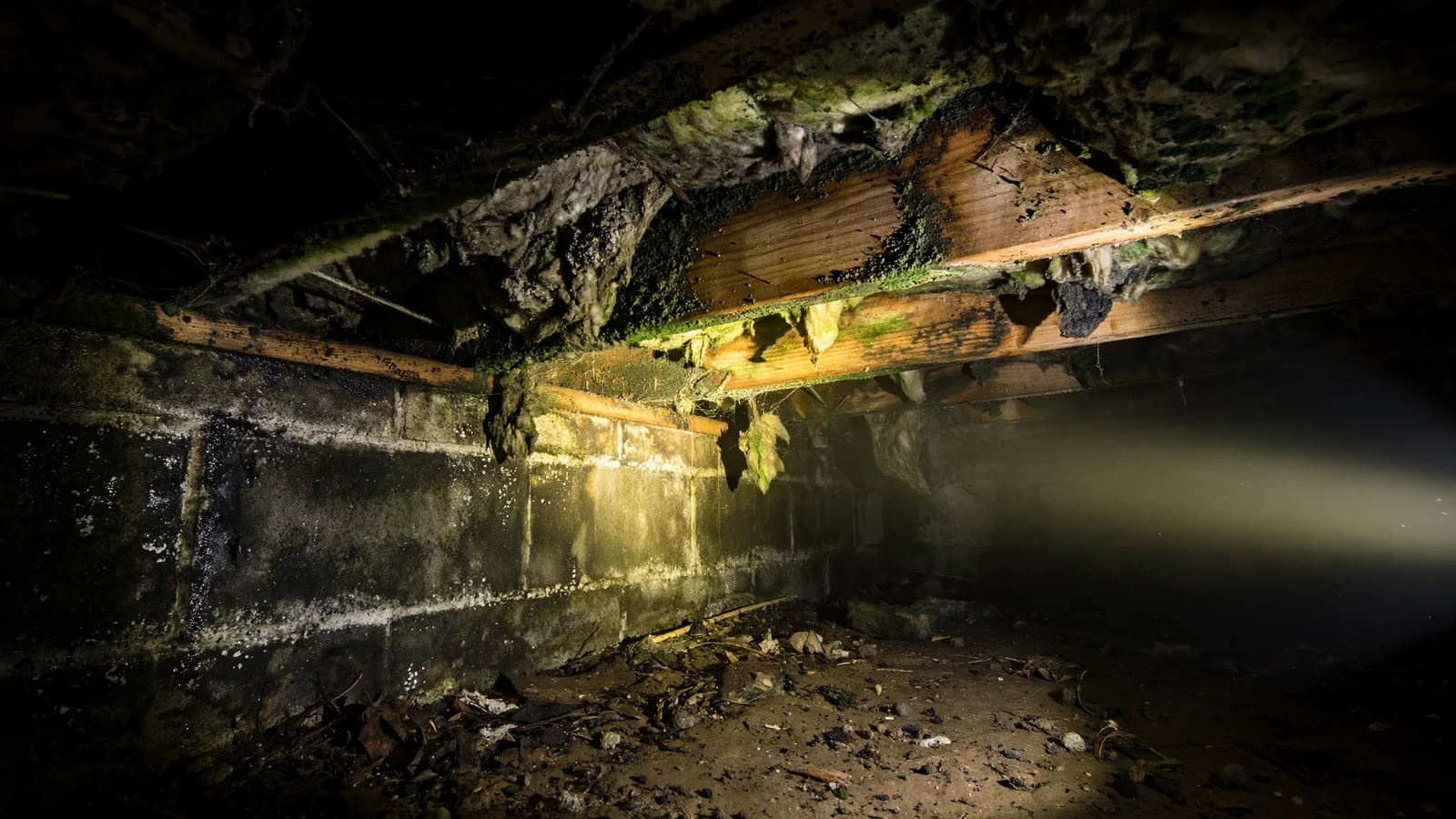
- 3.Crawlspaces: The classic Marietta mold reservoir. Ground moisture, poor ventilation, and darkness mean crawlspace wood and insulation can stay damp indefinitely after a plumbing leak or heavy rain.
- 4.HVAC systems and ductwork: If water reached a return vent or the air handler, or a condensation pan overflowed, mold can colonize duct lining and get distributed through the whole house every time the system runs.
- 5.Attics after roof leaks: A slow roof leak wets insulation and roof decking from above. By the time a ceiling stain appears, the attic above it may already have established growth.
- 6.Behind baseboards and under cabinets: Water creeps horizontally under baseboards and behind kick plates, where airflow is zero and drying is slowest.
This is why professional water damage work focuses on finding moisture with meters and thermal imaging rather than trusting what looks dry. (Our guide to the water damage restoration process explains how the drying and verification steps work.)
What Mold Remediation Actually Involves
Cleaning visible mold off a surface isn't remediation. Real mold remediation is a multi-step process:
- 1.Find all the moisture first. Moisture mapping comes first — meters and infrared cameras locate wet materials behind walls, under floors, and in cavities. Any remediation that skips this is guesswork.
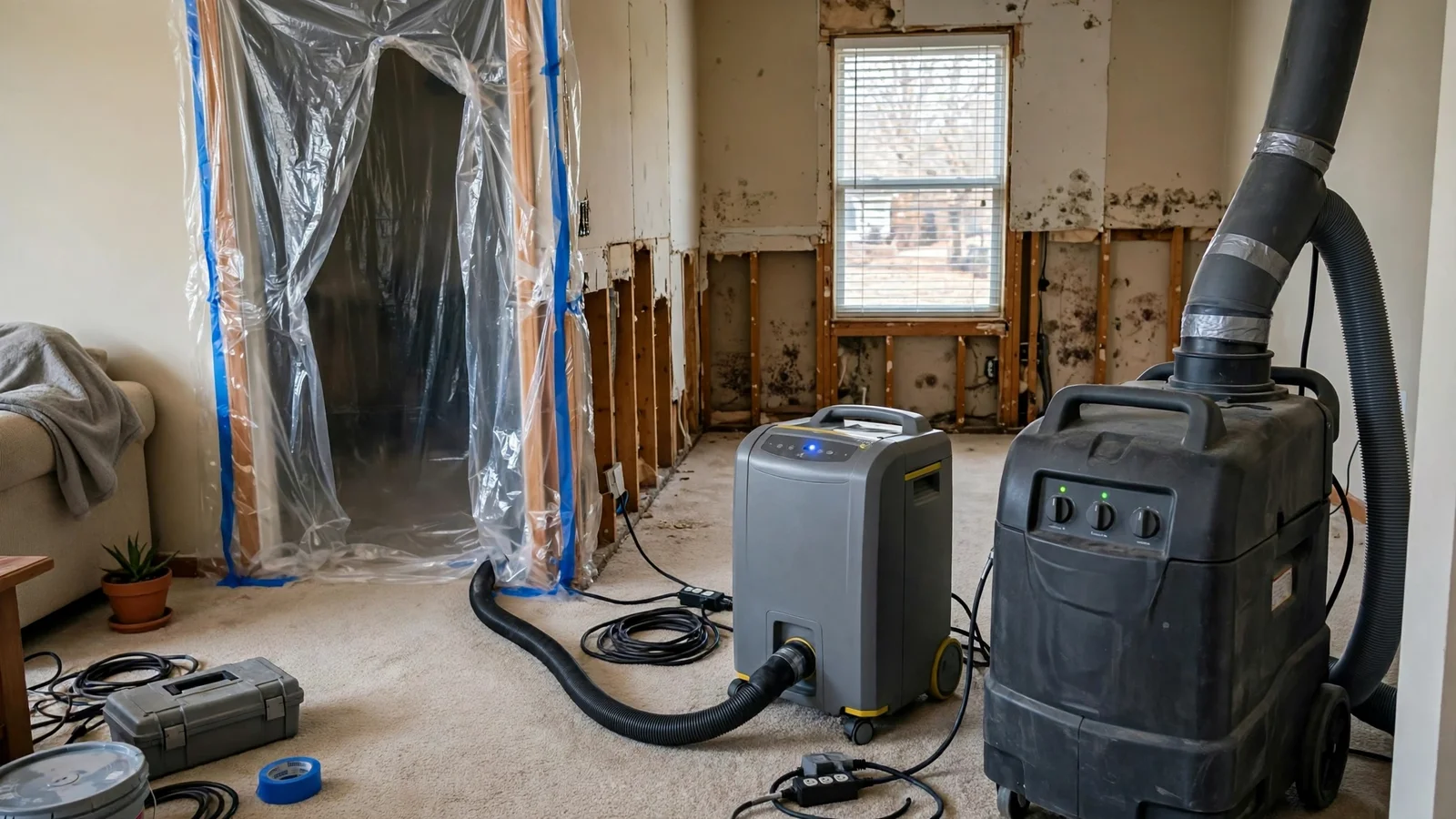
- 2.Contain the work area. Established mold gets sealed off with containment barriers and negative air pressure so spores aren't spread during removal — most important when growth is inside walls or the HVAC system.
- 3.Remove what can't be saved. Moldy drywall, insulation, and carpet pad get cut out and discarded — porous materials with deep growth are replaced, not treated. It's the step homeowners resist most, and the one that matters most.
- 4.Clean and treat the rest. Non-porous surfaces (studs, subfloor, concrete) get cleaned with appropriate antimicrobial methods, then dried completely — verified with moisture readings, not estimated by touch.
- 5.Dry everything below the mold threshold. Drying continues until moisture content in all affected materials is back to normal. Only then does reconstruction — new drywall, paint, flooring — begin.
- 6.Fix the source. None of it holds unless the water source is fixed — the leaking pipe, the failed flashing, the dead sump pump.
(Air sampling has its uses, but it's not required for an obvious visible problem — and a "clear" air test doesn't mean hidden moisture is gone. The moisture readings matter more than the spore counts.)
Dealing with water damage right now and worried about mold? Fast, thorough drying in the first 48 hours is what prevents it — call +1 (470) 804-0012 for emergency response.
Mistakes That Turn a Small Mold Problem Into a Big One
- 1.Spraying bleach and calling it done. Bleach discolors surface mold on non-porous materials but can't reach growth inside porous drywall or wood — and its water content can feed the problem. It does nothing about the moisture that caused the growth.
- 2.Painting over it. Stain-blocking paint over active mold is cosmetic concealment. The colony keeps growing behind the paint, and the eventual removal job is bigger.
- 3.Running the HVAC to "air it out." If mold is in or near the ductwork or air handler, running the system can spread spores through the entire house. Keep the system off in affected areas until you know where the growth is.
- 4.Ripping out materials without containment. Tearing out moldy drywall yourself sends a concentrated cloud of spores into the room and the rest of the house. Small surface patches are one thing; opening up a wall with established growth is another.
- 5.Waiting to see if it gets worse. It will. Mold doesn't stabilize — it expands while moisture is present. A dinner-plate-sized patch can spread across a wall cavity in days under Georgia conditions.
- 6.Ignoring the insurance question. Mold coverage is often limited or tied to how the water damage was documented. Photograph everything from day one — our Georgia homeowners insurance guide covers what to know.
Health Concerns: When to Take Mold Seriously
Mold exposure affects people differently — some notice nothing, while others develop allergic reactions or respiratory irritation around active growth. Children, the elderly, and anyone with asthma or allergies are generally more sensitive.
A small surface patch in a bathroom is a maintenance issue; house-wide musty odors, visible growth across multiple rooms, or symptoms that improve when you leave are signals to treat it as urgent rather than DIY-ing it. Talk to a healthcare professional about any health concerns.
Preventing Mold After Water Damage in Marietta
This is how to prevent mold after water damage in a Georgia home — speed, verification, and humidity control:
- 1.Act within hours, not days. Water extraction and drying equipment should be running the same day the damage is discovered. Every day of delay is a day of mold growth.
- 2.Don't trust "feels dry." Materials can feel dry to the touch while still holding enough moisture for mold. Moisture meter readings — not fingertips — decide when drying is done.
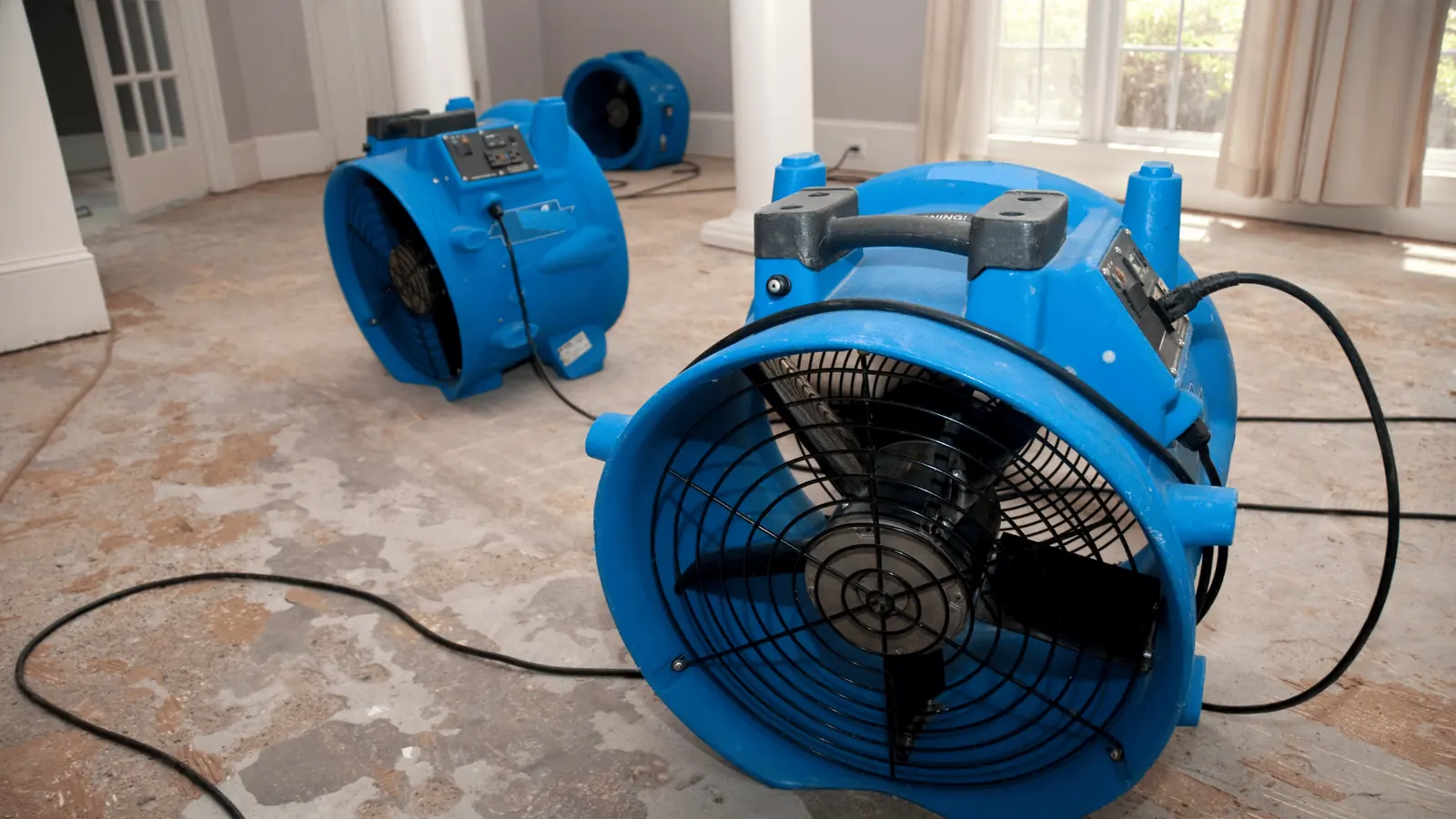
- 3.Run dehumidification, not just fans. Air movers evaporate water off surfaces, but without dehumidifiers that moisture has nowhere to go in Georgia's humid air. Drying without dehumidification in July is pushing water in circles.
- 4.Watch the crawlspace. After significant rain or a plumbing event, check the crawlspace — or have it checked. A vapor barrier and sealed vents are the highest-ROI mold prevention upgrade in many Marietta homes.
- 5.Keep indoor humidity below 60%. A whole-home or portable dehumidifier in problem areas (basements, crawlspace-adjacent rooms, laundry rooms) keeps baseline conditions mold-unfriendly year-round.
- 6.Fix the source, then verify. After the pipe is repaired, the roof re-flashed, or the sump pump replaced, re-check the affected area's moisture a week later. Slow secondary leaks are how mold comes back.
For the broader playbook on keeping water out of your home in the first place, see our guide to preventing water damage in Marietta homes.
Frequently Asked Questions About Mold After Water Damage
How fast does mold grow after water damage?
Mold can begin growing on wet drywall, wood, and fabrics within 24–48 hours. In Georgia's warm, humid conditions, that window is on the shorter end — extraction and drying should start the same day the damage is found.
Why is mold after water damage worse in Georgia than in drier states?
Georgia's year-round humidity stretches mold's drying and growth window, and common Marietta housing features — vented crawlspaces, attics, slab foundations — trap moisture in exactly the dark, still spaces mold prefers.
Can I clean up mold myself, or do I need a professional?
A small surface patch (a few square feet) on a hard, non-porous surface can often be handled with proper protection. Call a professional when growth covers a larger area, is inside walls or the HVAC system, keeps returning after cleaning, or involves sewage-contaminated water — disturbing large colonies without containment spreads spores through the house.
Does bleach kill mold?
Bleach can kill surface mold on non-porous materials like tile, but it can't reach mold roots inside porous drywall and wood. It doesn't address the moisture behind the growth, so treated areas often regrow. Proper remediation removes affected porous materials and dries everything thoroughly.
Will homeowners insurance cover mold removal in Georgia?
It depends on the policy and the cause. Mold from a sudden, covered water event (like a burst pipe) is often covered, sometimes with sub-limits; mold from long-term leaks or neglected maintenance is typically excluded. Document the water damage thoroughly from day one — see our Georgia homeowners insurance guide for details.
How do I know if there's mold hiding inside my walls?
Common signs: a persistent musty smell, staining or warping on walls, allergy-like symptoms that are worse at home, or a history of water damage in that area. Moisture meters and thermal imaging can detect wet materials behind walls without opening them — the reliable way to confirm hidden growth.
Where can I get mold remediation in Marietta, GA?
If you need mold remediation in Marietta, GA after water damage, act fast — the first 48 hours decide how far it spreads. Shut off the water source, document everything with photos, and call for emergency response: +1 (470) 804-0012. Professional remediation covers moisture mapping, containment, removal of unsalvageable materials, and verified drying — the steps that keep mold from coming back.
Data Sources & Standards Referenced
Dealing with water damage and worried about mold? The first 48 hours decide everything — call +1 (470) 804-0012 for emergency response in the Marietta area.
Related Guides
Marietta Service Hubs
Water damage restoration services are available across Cobb County municipalities:
Complementary Restoration Services
Explore additional specialized water damage, sewage, pipe repair, and flood cleanup services in Marietta.
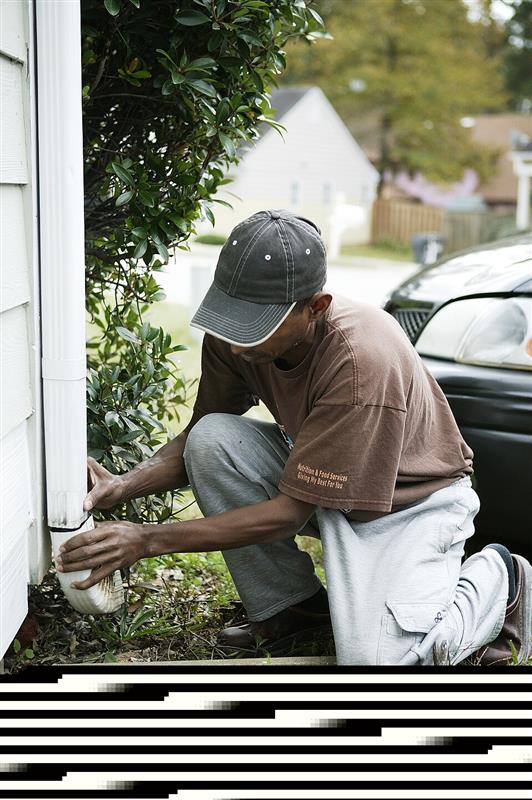
Water Damage Restoration
Professional water damage cleanup, water extraction, structural drying, and damage restoration for homes, apartments, and commercial properties in Marietta and Cobb County.
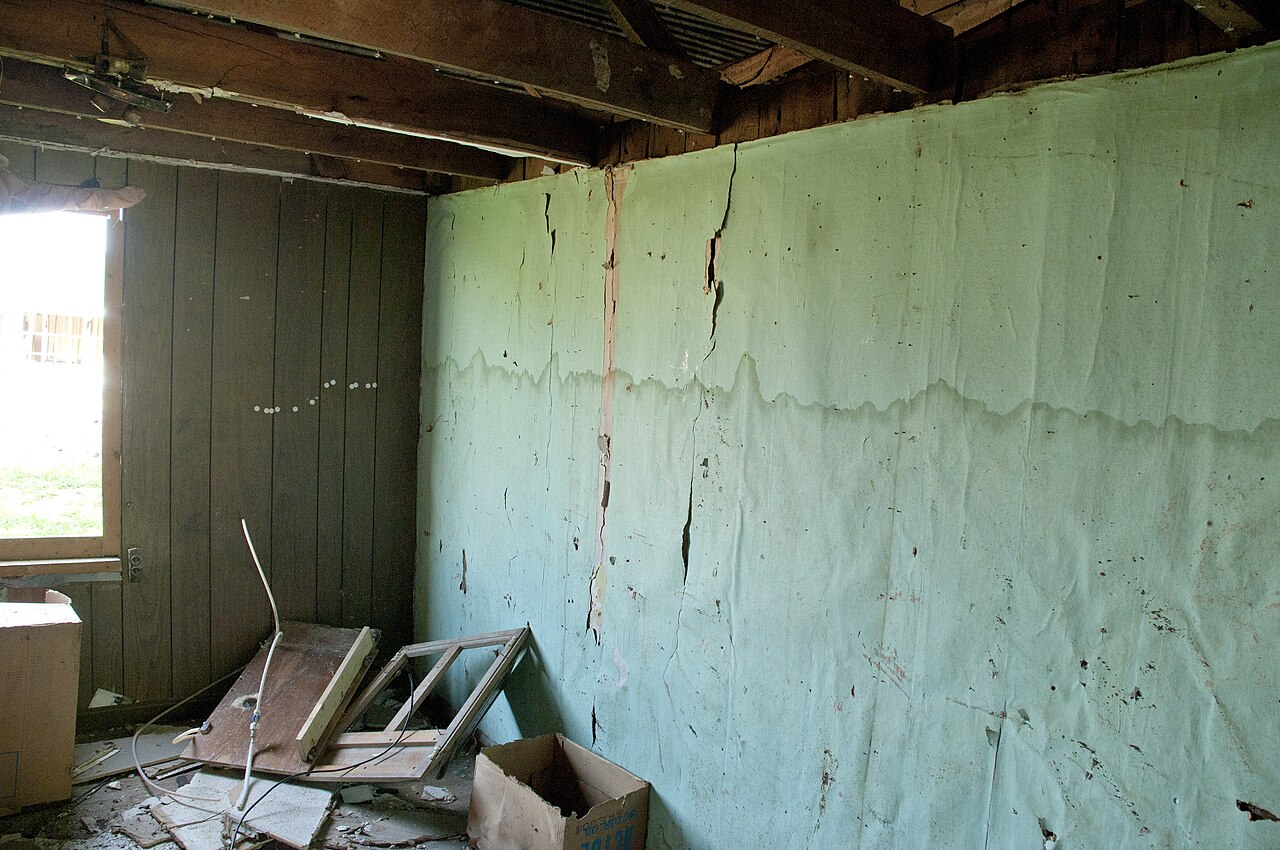
Basement Water Removal
Standing-water removal and extraction, slab dehumidification, finished basement drying, and moisture remediation after heavy rain, sump pump failures, or plumbing bursts in Marietta.
Need Water Damage Restoration in Marietta?
Call now to discuss your water damage situation and the next steps.