Dishwasher Leaking in Marietta, GA: Causes, Warning Signs & Hidden Damage
A dishwasher leak in a Marietta home often hides under the kitchen floor or behind cabinets for weeks before anyone notices. Learn why dishwashers leak, the warning signs, what to do the moment you find one, and how to stop hidden damage before it spreads.
Quick Answer
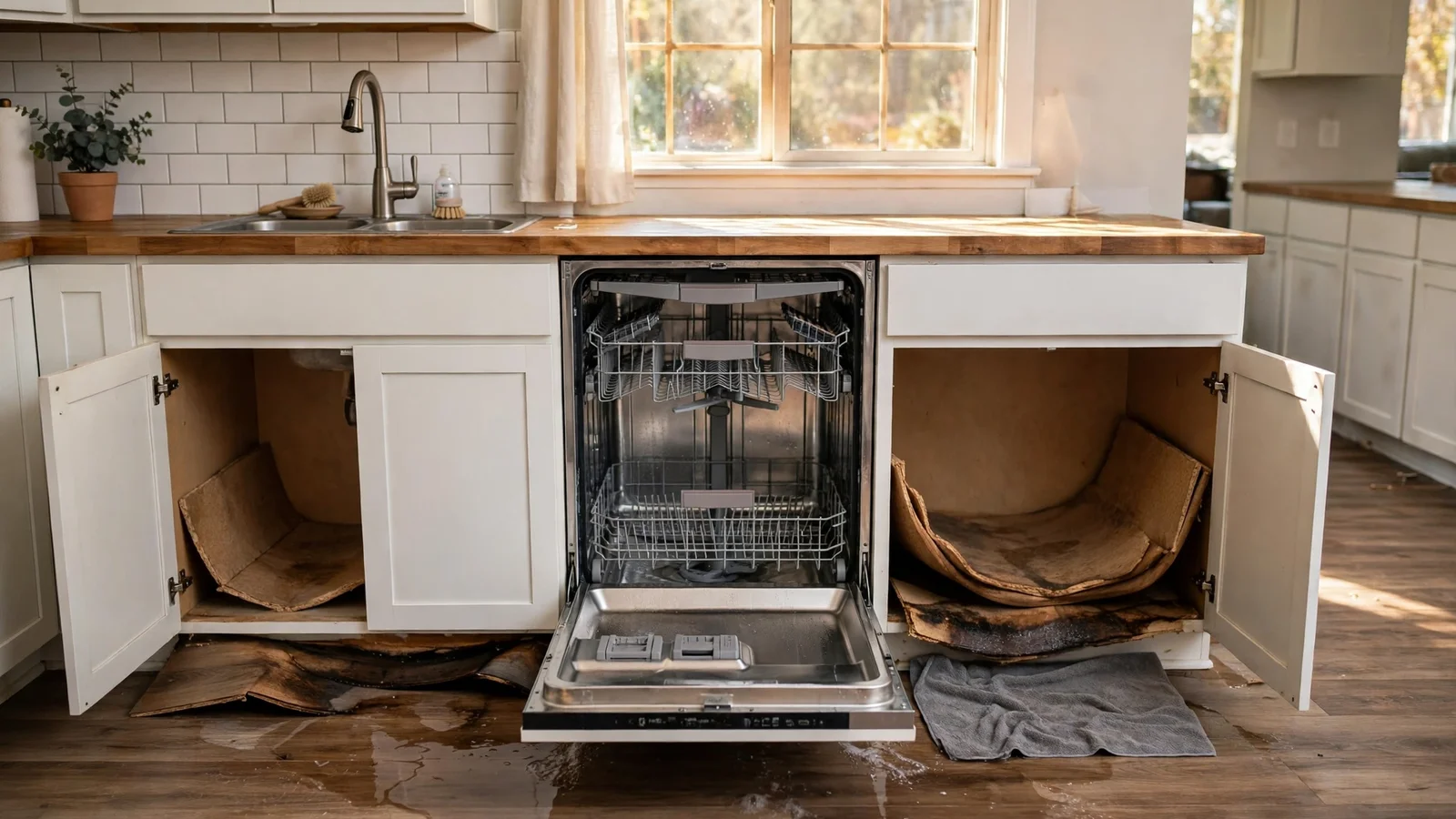
A dishwasher leaking from the bottom in a Marietta home usually starts as a slow drip from a supply line, drain hose, or door seal — and it can soak the subfloor and cabinets for weeks before a puddle ever shows. Shut off the dishwasher's water supply, mop up standing water, and call for emergency response at +1 (470) 804-0012.
The dishwasher is one of the quietest water risks in a Marietta kitchen. Unlike a burst pipe, it rarely announces itself with a flood: a supply line weeps a few drops a cycle, a drain hose works loose, a door gasket hardens and lets a thin sheet of water escape down the front. All of it disappears under the kick plate or into the particleboard under the cabinets — and by the time a musty smell or a soft spot shows up, the damage has been spreading for weeks. If you are asking why your dishwasher is leaking, the answer is almost always one of a handful of hidden failure points.
Georgia humidity makes it worse. A kitchen that never fully dries between cycles gives mold a head start, with growth beginning on wet wood and cabinet materials within 24–48 hours. This guide covers where the water hides, the causes behind most leaks, the signs to catch early, and what to do the moment you find one.
Dishwasher leaking right now? Do not wait to see how bad it gets — call +1 (470) 804-0012 for emergency response in the Marietta area.
Why Dishwasher Leaks Hide So Long in Marietta Homes
Most dishwashers sit in a tight pocket between cabinets, with the connections buried behind the unit, and leaked water follows the path of least resistance. In a Cobb County kitchen, that path is usually hidden:
- •Under the subfloor. Many Marietta homes sit on slabs or over crawlspaces, where a slow leak drips onto the subfloor, wicks into the wood, and travels sideways — the first sign may be a buckled board several feet from the dishwasher. Yes, a dishwasher can leak under the floor for weeks without a visible puddle.
- •Into the cabinet bases. Much of Marietta's housing stock — 1970s ranch homes to newer townhomes — uses particleboard and MDF cabinets, which swell, crumble, and lose their shape fast once wet, usually inside the base where you cannot see it.
- •Behind the toe-kick. The recessed kick plate hides a gap where leaked water pools — warm, dark, and damp, ideal for mold in Georgia's humidity.
- •Into the crawlspace. In crawlspace homes, a drain leak can drip straight down through the floor, leaving the kitchen looking dry while the joists below are soaked.
Causes of Dishwasher Leaking: The 6 Failure Points
Almost every dishwasher leak traces back to one of a handful of failure points. What would cause a dishwasher to leak in your kitchen is usually on this list:
- 1.The supply line. A braided steel or copper line feeds hot water to the dishwasher and can corrode, kink, or loosen at the shut-off valve under the sink. The most damaging of all, because the line stays pressurized around the clock — it leaks even when the dishwasher is not running.
- 2.The drain hose. The hose carrying dirty water to the disposal or sink drain can crack, come off its clamp, or sag into a low loop that lets water back up. These leaks usually show up only during the drain cycle, so they can be intermittent and hard to catch.
- 3.The door gasket. The rubber seal around the door hardens, cracks, or gets coated with food debris over time. A failing gasket lets water seep down the front of the unit — a dishwasher leaking from the bottom of the door is often this — and under the floor, a few drops per cycle, which is why it goes unnoticed.
- 4.The float switch. The float switch tells the dishwasher when to stop filling. If it sticks, often from mineral buildup in Cobb County's hard water, the tub can overfill until the dishwasher overflows out the door.
- 5.A cracked tub or loose pump seal. Older units can develop hairline tub cracks or a worn pump seal — slow leaks that get steadily worse.
- 6.Loose connections. A recently installed, moved, or serviced dishwasher is a prime suspect — a hand-tightened fitting that was never properly snugged can weep for months.
Signs of a Hidden Dishwasher Leak
Watch for the evidence a hidden leak leaves behind:
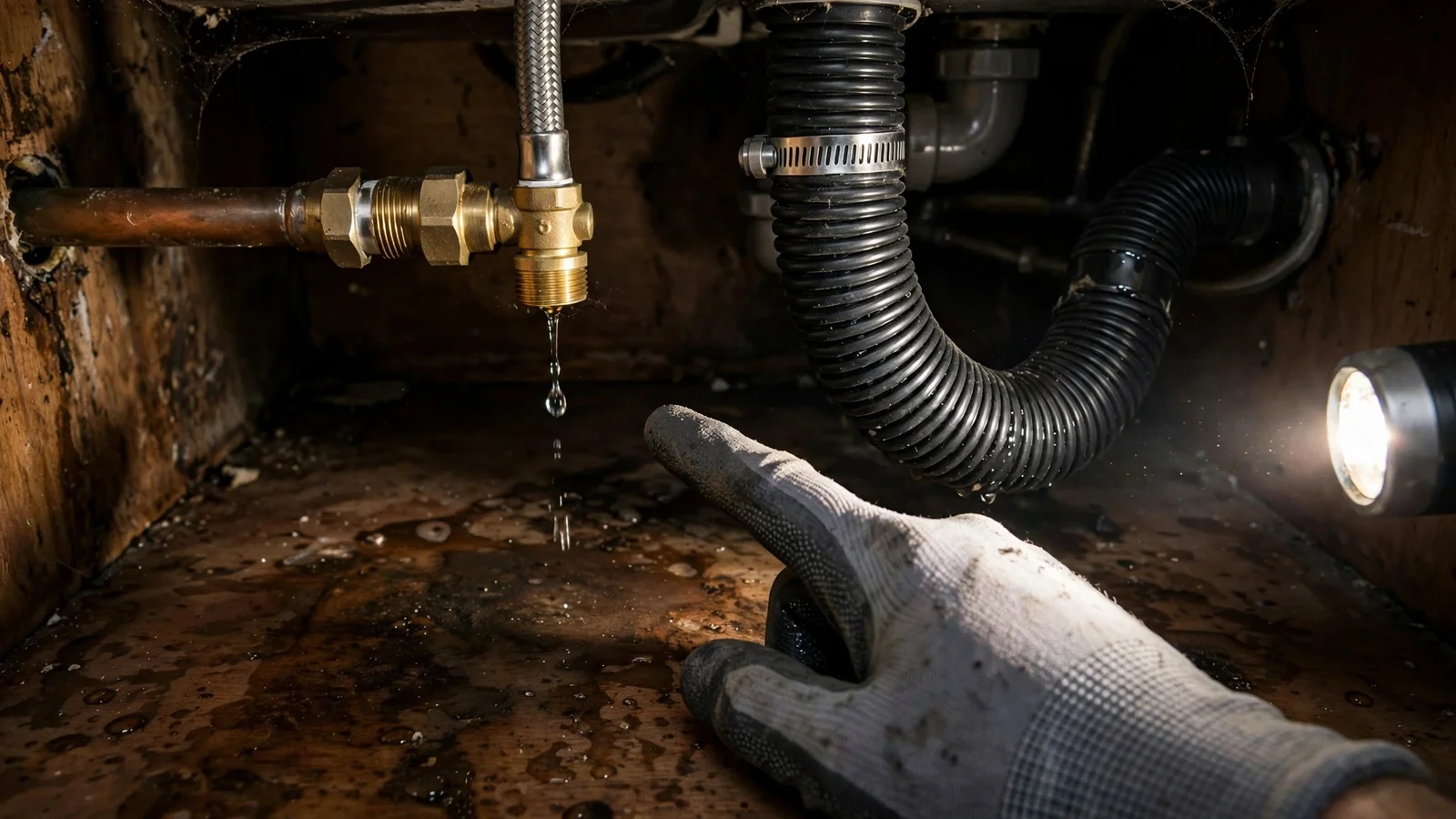
- •A musty or sour smell near the dishwasher or under the sink.
- •Soft, spongy, or discolored flooring in front of or beside the dishwasher — vinyl that lifts at the edges, laminate that buckles, or wood that cups.
- •Swollen or warped cabinet bases, especially the cabinet next to the dishwasher. Check the bottom panel and side walls for swelling or dark staining.
- •Water stains on the ceiling below an upper-floor kitchen — a dishwasher leaking into the basement ceiling is a real pattern in two-story homes.
- •A dishwasher that rocks or shifts when you open the door — the floor underneath may have softened.
- •A water bill creeping up with no other explanation — a pressurized supply-line leak runs day and night.
- •Standing water or damp insulation in the crawlspace under the kitchen.
Any one of these is worth investigating the same day.
What to Do the Moment You Find a Dishwasher Leak
Speed matters most. A leak caught in the first hour is a cleanup; a leak caught after a month is a restoration. Work through these steps in order:
- 1.Stop the water. Turn off the dishwasher's supply valve, usually under the kitchen sink on the hot-water line — or shut off the home's main water valve if you cannot find it.
- 2.Turn the dishwasher off and do not run it again until the leak source is identified. Every cycle adds more water to the damage.
- 3.Mop up all visible water. Use towels and a wet vacuum if you have one, and check the tub for standing water.
- 4.Move items out of the affected cabinets so the area can dry and you can see the extent of the damage.
- 5.Check the floor and cabinets. Press on the flooring around the dishwasher and check the neighboring cabinets for swelling, staining, or soft spots.
- 6.Document the damage. Take photos and short video of the leak point, wet flooring, swollen cabinets, and any water underneath — your insurance adjuster will want this record.
- 7.Call for emergency help: +1 (470) 804-0012. If water has reached the subfloor, cabinets, or the crawlspace below, surface drying will not be enough — professional extraction and structural drying stop the damage from spreading and keep mold from taking hold.
Do not just dry the puddle and move on. Water trapped under flooring and inside cabinet bases does not evaporate — it keeps wicking deeper into the wood. (See the water damage restoration process guide for what happens after water gets into a home's structure.)
What a Dishwasher Leak Does to Floors and Cabinets
The damage is rarely dramatic at first — which is why dishwasher water damage gets expensive:
- •Hardwood and laminate. Water seeps between boards and into the subfloor, causing the cupping, crowning, and buckling that define kitchen floor water damage. Early drying can sometimes save a floor; once boards have cupped badly, replacement is the usual outcome. (The preventing water damage in Marietta homes guide covers the drying window.)
- •Vinyl and tile. These surfaces look waterproof, but water gets under them through seams and grout lines, where trapped moisture can loosen adhesive, grow mold on the subfloor, and rot the wood beneath while the surface looks fine.
- •Cabinets. Particleboard bases swell and never return to shape, and doors and drawer fronts warp — once the base of a cabinet run is compromised, the whole run often has to come out.
- •Subfloor and joists. In slab homes the water saturates the subfloor and underlayment; in crawlspace homes it drips onto joists and insulation below, where it can sit undetected for months and invite wood rot and mold.
Dishwasher water is usually Category 2 (gray water) — it carries food residue and detergents — so anything it soaks needs proper cleaning and drying, not just a fan. (See the water damage categories and classes guide for what gray water means for cleanup.)
How to Prevent the Next Dishwasher Leak
A few minutes of attention a couple of times a year prevents most dishwasher leaks — and answers how to stop a dishwasher from leaking before it starts:
- •Inspect the supply line and drain hose every six months. Look for corrosion, cracks, kinks, or loose clamps, and replace a braided line at the first sign of rust.
- •Clean the door gasket monthly. Wipe it down and check for cracks or hardening. A gasket that no longer springs back needs replacing — it is an inexpensive part.
- •Clean the filter and check the float switch. Food buildup in the filter and a sticky float switch commonly cause overfilling. Your manual shows where both are.
- •Do not overload the dishwasher. Overloading blocks the spray arms and forces water against the door seal.
- •Run it regularly. A dishwasher that sits unused for weeks can develop dried-out seals and a stuck float, so run a short cycle when you return from an extended trip.
- •Know where the shut-off valve is. Before a leak ever happens, find the dishwasher supply valve under the sink and make sure it turns — in an emergency, a stuck valve costs minutes.
Frequently Asked Questions About Dishwasher Leaks
How do I know if my dishwasher is leaking if I cannot see any water?
Look for the secondary signs: a musty smell near the dishwasher or under the sink, soft or buckled flooring in front of the unit, swollen cabinet bases, or a rising water bill with no other explanation. Check under the sink where the supply and drain lines connect — that is where most hidden leaks show themselves first.
Can a dishwasher leak when it is not running?
Yes. The supply line feeding the dishwasher stays pressurized around the clock, so a corroded line or loose fitting leaks even when the dishwasher never runs — which is why supply-line leaks are the most damaging kind and why a rising water bill is a warning sign.
Where is the dishwasher shut-off valve in a typical Marietta home?
It is usually under the kitchen sink, on the hot-water line — a small valve on the pipe or hose feeding the dishwasher. If you cannot find one or it will not turn, use the home's main water valve instead, and find the dishwasher valve before an emergency so you are not searching during one.
Will homeowners insurance cover dishwasher leak damage in Georgia?
Sudden and accidental leaks — like a supply line that bursts — are typically covered under standard Georgia homeowners policies, while slow leaks that went unnoticed for months may be treated as a maintenance issue and excluded. Document the damage, stop the leak, and contact your insurer promptly. (See the Georgia homeowners insurance guide for the full breakdown.)
Can I run the dishwasher again after a leak?
Not until the source is found and fixed — running it again adds more water to already-soaked floors and cabinets. If the leak came from a loose connection you tightened yourself, run one short cycle while watching the connections closely, and stop immediately if any water appears.
How long does it take for mold to grow after a dishwasher leak?
In Georgia humidity, mold can begin growing on wet wood and cabinet materials within 24–48 hours. That is why fast drying matters most — a leak found and dried in the first day is a very different job from one discovered a month later.
Data Sources & Standards Referenced
Dishwasher leaking in your Marietta kitchen? Do not let hidden water keep soaking your floors and cabinets — call +1 (470) 804-0012 for emergency response in the Marietta area.
Related Guides
Marietta Service Hubs
Water damage restoration services are available across Cobb County municipalities:
Complementary Restoration Services
Explore additional specialized water damage, sewage, pipe repair, and flood cleanup services in Marietta.
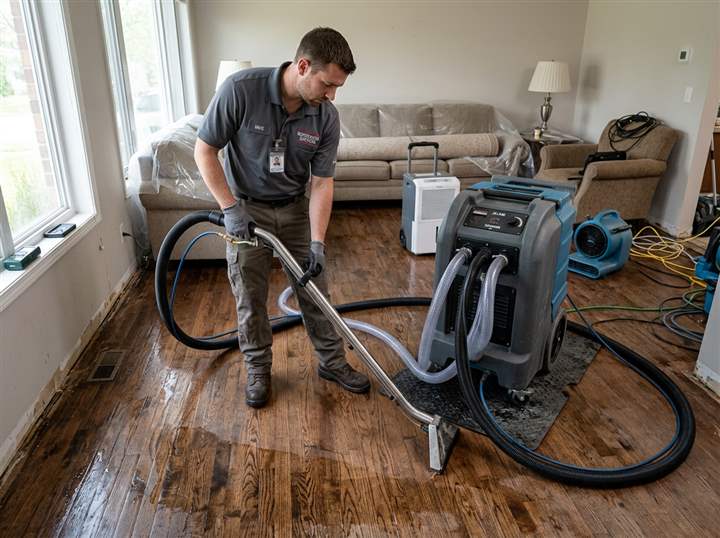
Appliance Water Damage
Water extraction, subfloor drying, cabinet moisture removal, and structural cleanup for washing machine, dishwasher, and water heater leaks in Marietta.
Water Damage Restoration
Professional water damage cleanup, water extraction, structural drying, and damage restoration for homes, apartments, and commercial properties in Marietta and Cobb County.
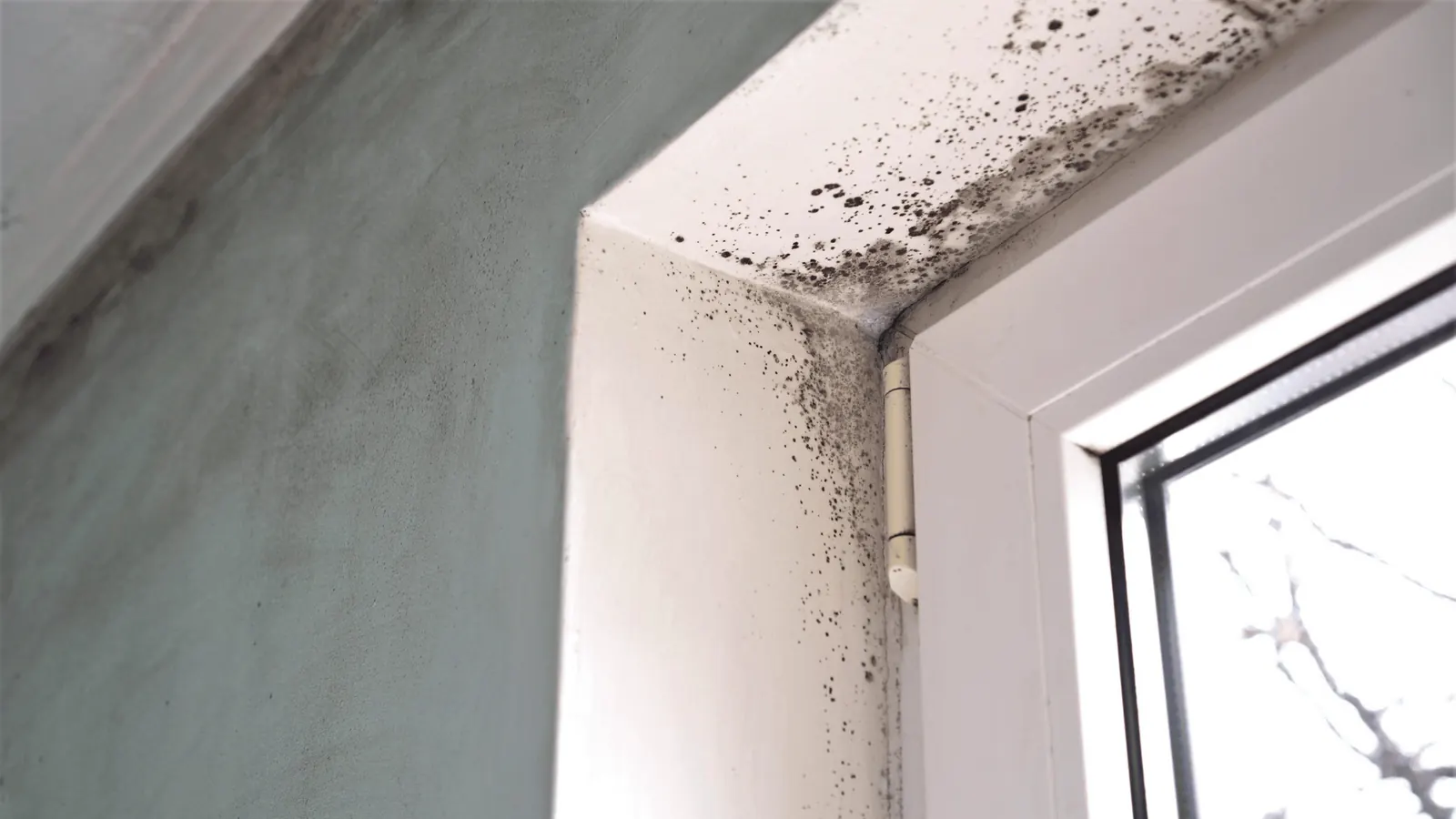
Mold Remediation & Removal
Professional mold containment, structural surface cleaning, HEPA air filtration, and underlying moisture remediation in Marietta and Cobb County.
Need Water Damage Restoration in Marietta?
Call now to discuss your water damage situation and the next steps.