The Water Damage Restoration Process Explained
Comprehensive overview of emergency water mitigation, structural extraction, thermal moisture logging, and drying procedures for Marietta properties.
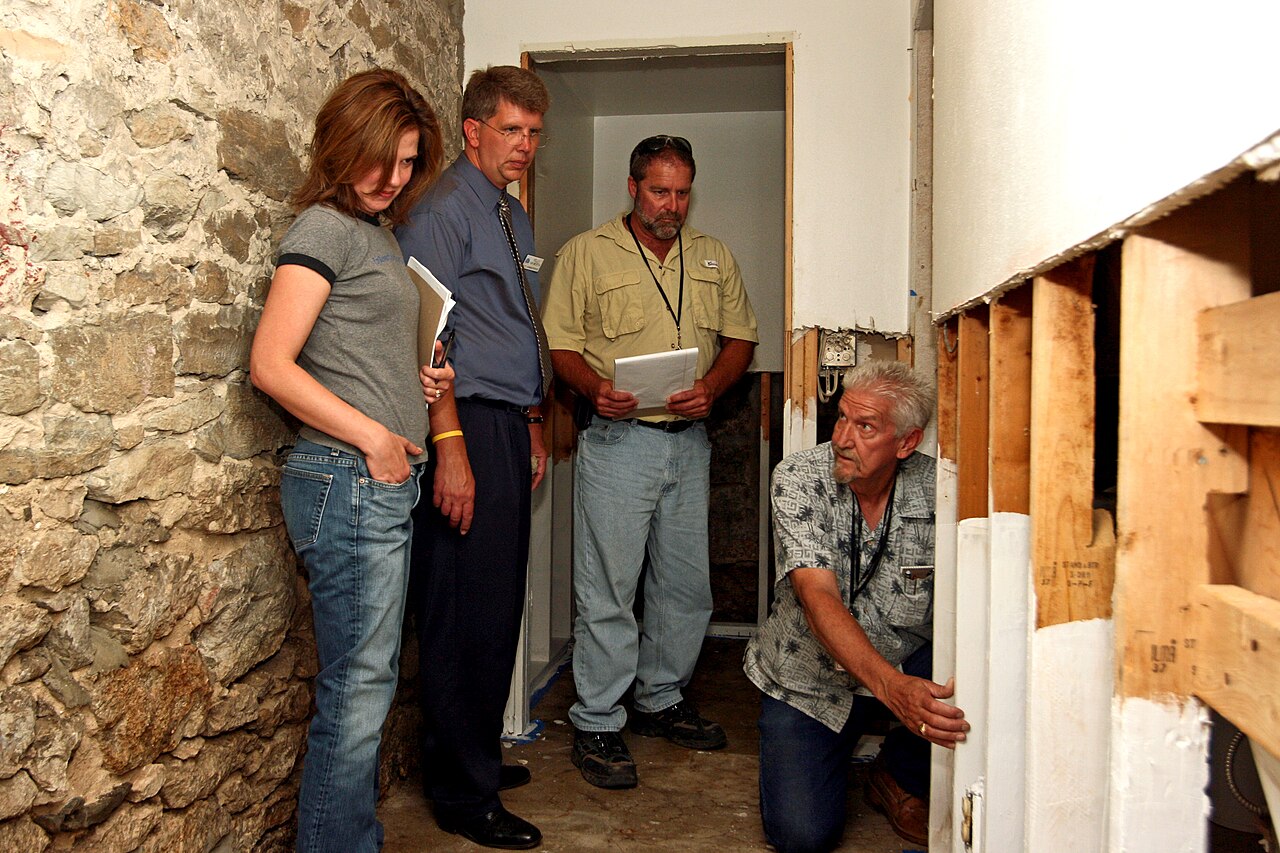
Understanding the Water Damage Restoration Process Step-by-Step
When water intrudes into a residential or commercial property—whether from a burst plumbing supply line, an appliance failure, or severe weather—the structural damage begins immediately. Wood framing absorbs moisture, gypsum ceiling drywall weakens, and subfloor materials expand.
Following standardized industry workflows established under the ANSI/IICRC S500 Standard for Professional Water Damage Restoration, trained mitigation crews execute a systematic five-phase procedure designed to stop active water flow, extract standing water, remove ruined materials, and dry structural assemblies to baseline moisture standards.
Phase 1: Emergency Source Control & Damage Inspection
The first objective in any water mitigation project is stopping the source of water. This involves closing local appliance shutoff valves or turning off the property main water supply. Technicians conduct a thorough initial safety audit:
- Electrical Safety Verification: Ensuring submerged electrical outlets or furnace wiring do not pose shock hazards before crews enter flooded areas.
- Thermal Moisture Mapping: Scanning walls, ceilings, and flooring with infrared thermal cameras to identify hidden moisture perimeters.
- Moisture Baseline Logging: Recording initial moisture content percentages in wood joists, studs, and concrete slabs using invasive pin-type moisture meters.
Phase 2: High-Capacity Standing Water Extraction
Standing water must be removed rapidly to halt deep saturation into subfloors and wall plates. Crews utilize specialized extraction tools based on surface types:
Submersible pumps clear deep pooling water from basements or crawl space trenches. Portable and truck-mounted extraction wands utilize vacuum suction to pull liquid water directly out of carpet pile and hard-surface flooring. Weighted floor mats are placed over hardwood flooring to extract water trapped in subfloor tongue-and-groove joints.
Phase 3: Controlled Removal of Unsalvageable Materials
Porous materials that absorb water and cannot be effectively dried in place must be selectively removed to expose hidden wall bays and structural studs.
Saturated carpet padding, soggy fiberglass batt insulation, and flood-wicked gypsum drywall cutouts (typically flood cuts performed 12 to 24 inches above the high water line) are bagged and removed. Exposing wall cavities allows air circulation directly around wet vertical 2x4 framing studs.
Phase 4: Structural Drying & Dehumidification Workflow
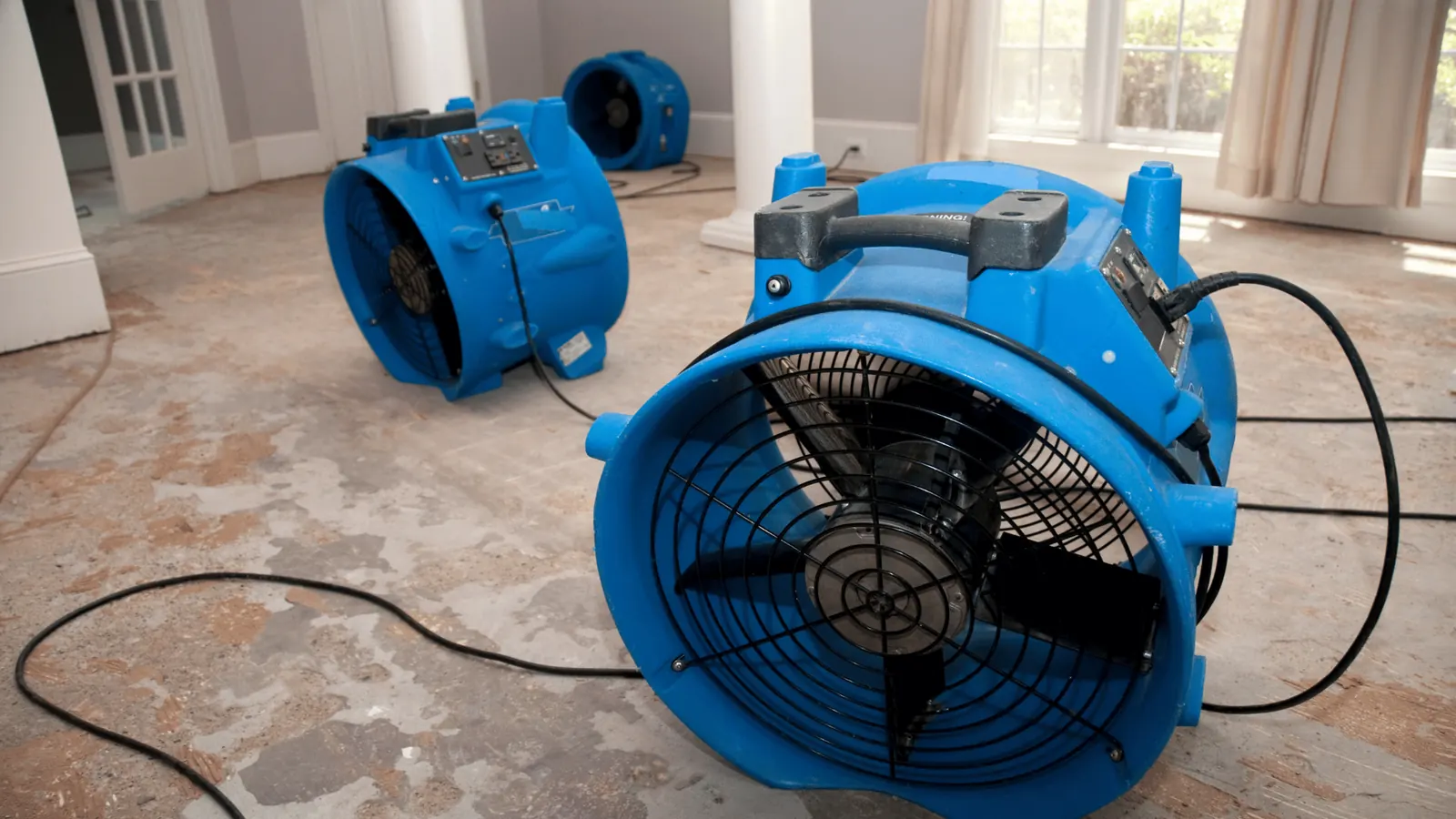
Once liquid water is extracted and non-salvageable materials are cleared, structural drying equipment is configured to evaporate bound moisture from remaining building framing.
High-velocity centrifugal air movers direct continuous airflow along floor plates and stud bays to accelerate evaporation. Low-grain refrigerant (LGR) dehumidifiers collect water vapor from ambient air, maintaining low relative humidity levels (below 40%) to prevent secondary moisture condensation on cool building surfaces.
Phase 5: Sanitization & Final Moisture Verification
The final phase ensures building materials return to safe dry standards and surfaces are thoroughly sanitized.
EPA-registered botanical antimicrobials are applied to concrete slabs and wooden support studs to inhibit fungal growth. Technicians record daily moisture meter readings until structural materials match dry baseline standards recorded in un-affected areas of the property.
When to Call a Professional During the Water Damage Restoration Process
While minor surface spills can be cleaned with household towels, professional mitigation services are recommended under the following criteria:
- Water has spread beyond a single room or penetrated subfloor materials.
- Water intrusion involves sewage backup or contaminated outdoor runoff.
- Ceiling drywall exhibits sagging or water staining from overhead leaks.
- Moisture has remained un-extracted for longer than 24 to 48 hours.
Frequently Asked Questions About the Restoration Process
How long does the water damage restoration process usually take?
Standard structural drying typically requires three to five days depending on the volume of water, affected building materials, and initial saturation levels.
Can I stay in my home during structural drying?
Occupants can often remain in un-affected areas of the home if electricity is safe, clean water leaks are isolated, and noise levels from commercial air movers are acceptable.
Why are commercial dehumidifiers necessary instead of household fans?
Household fans only circulate ambient air without extracting moisture. Commercial low-grain refrigerant (LGR) dehumidifiers pull bound moisture out of deep structural framing and lower indoor relative humidity.
What happens if wetted building materials are not dried within 24 to 48 hours?
According to EPA guidance, unaddressed moisture allows fungal spores to germinate on cellulose-rich materials within 24 to 48 hours, increasing restoration complexity.
Related Guides
Marietta Service Hubs
Water damage restoration services are available across Cobb County municipalities:
Complementary Restoration Services
Explore additional specialized water damage, sewage, pipe repair, and flood cleanup services in Marietta.
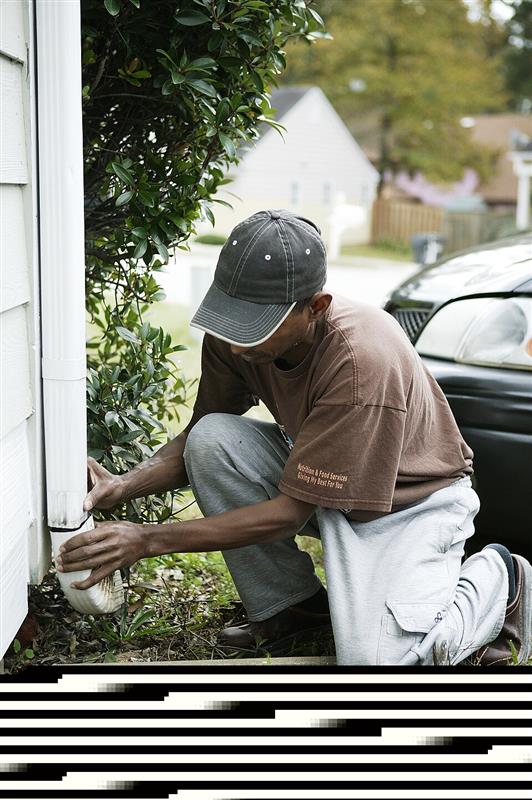
Water Damage Restoration
Professional water damage cleanup, water extraction, structural drying, and damage restoration for homes, apartments, and commercial properties in Marietta and Cobb County.
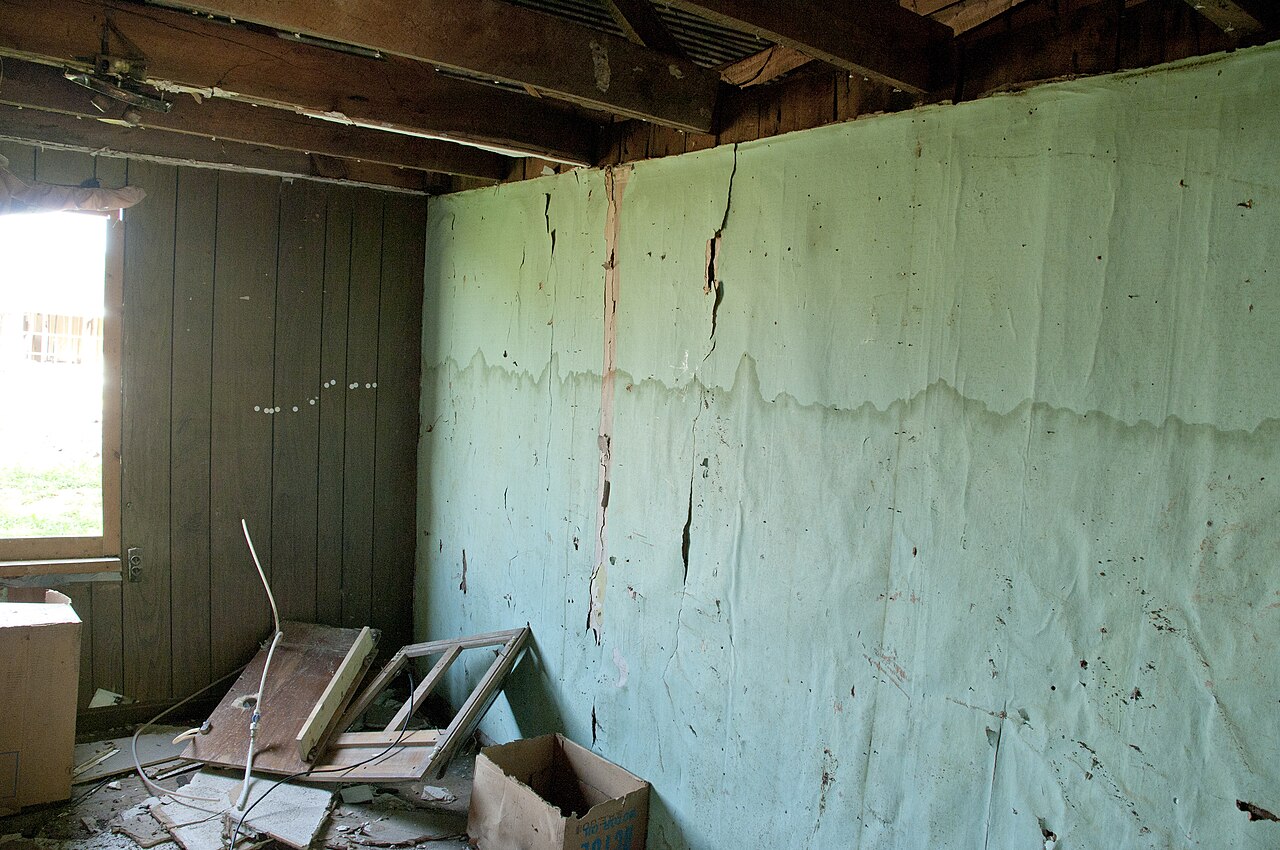
Burst & Leaking Pipe Repair
Water extraction, wall & ceiling moisture detection, structural drying, and water damage cleanup after burst or leaking pipes in Marietta.
Basement Flood Cleanup
Water extraction, slab dehumidification, finished basement drying, and moisture mitigation after heavy rain, sump pump failures, or plumbing bursts in Marietta.
Need Water Damage Restoration in Marietta?
Call now to discuss your water damage situation and the next steps.