Homeowners Insurance Water Damage Georgia Guide
Informational overview of Georgia homeowners insurance coverage rules, sudden plumbing bursts, flood exclusions, and documentation practices.
Understanding Homeowners Insurance Water Damage Georgia Regulations
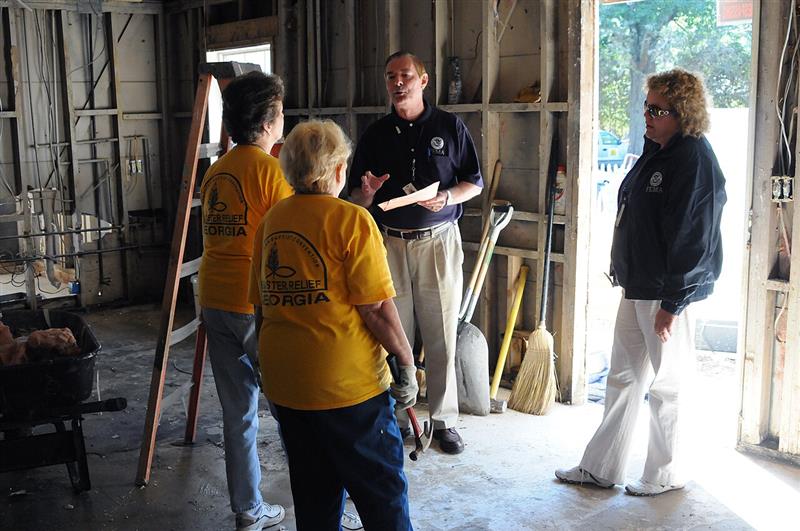
Navigating insurance claims following a water intrusion event in Marietta, GA can feel complex. In Georgia, standard homeowners insurance policies operate on specific legal conventions regarding water damage origin and timing.
Understanding what standard policies cover, recognizing common exclusions, and maintaining thorough documentation helps property owners manage claims effectively with their insurance carriers.
What Standard Georgia Homeowners Policies Typically Cover
Standard Georgia homeowners insurance policies generally cover internal water damage when the release of water is sudden and accidental:
- 1.Plumbing Supply Line Bursts: Sudden ruptures of copper, PEX, or PVC freshwater supply lines in walls, ceilings, or under sinks.
- 2.Appliance Discharge Surges: Catastrophic washing machine hose bursts, dishwasher tub failures, or water heater tank ruptures.
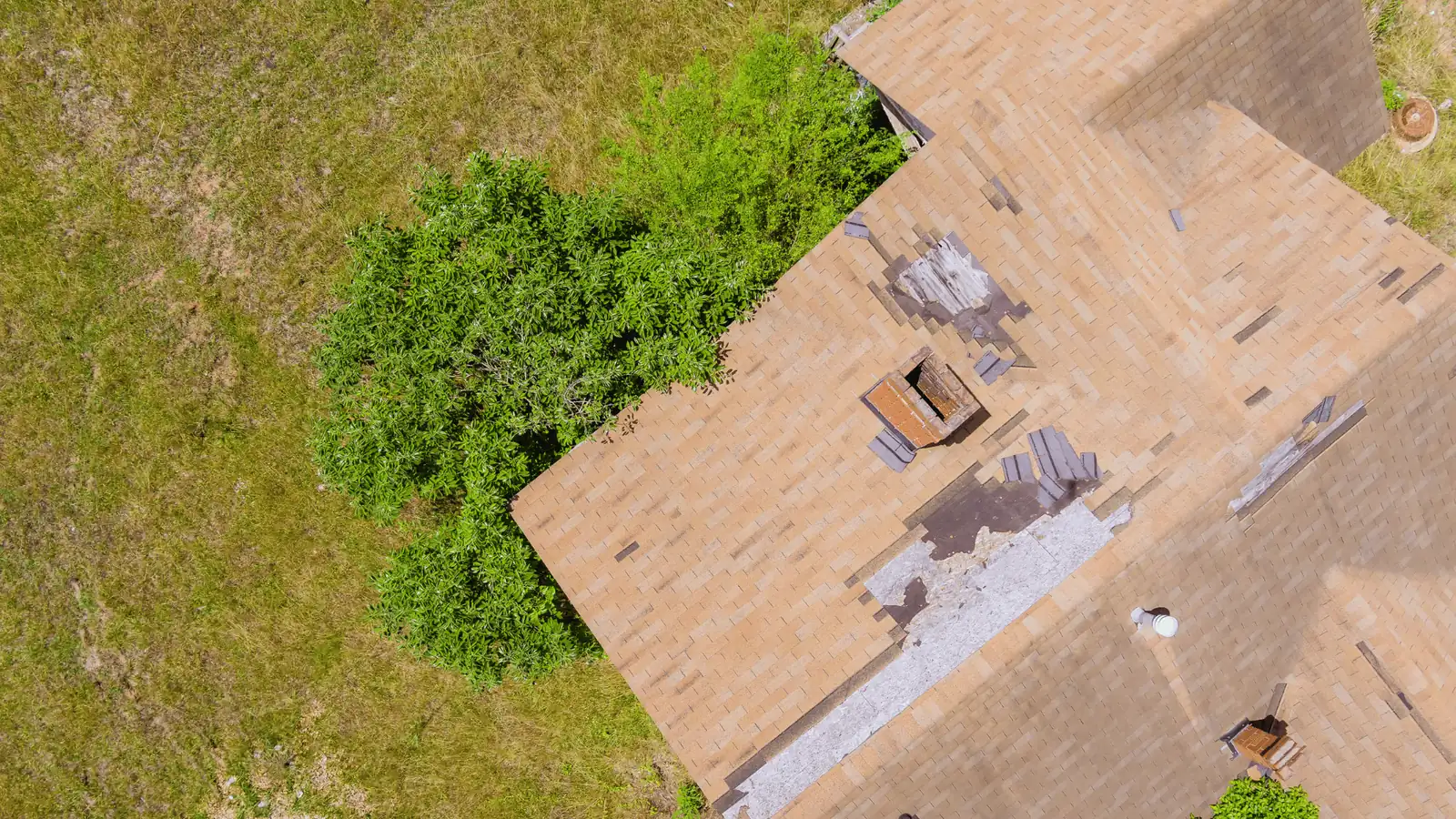
- 3.Storm Roof Openings: Rainwater penetrating ceiling spaces through a sudden storm-created opening (such as torn shingles or a fallen tree branch).
Common Insurance Exclusions in Georgia Policies
Standard homeowners insurance policies explicitly exclude certain types of water damage unless supplemental riders are attached:
Rising Surface Floodwater & Groundwater
Water entering a home from rising creeks, storm runoff, or soil seepage through basement masonry walls is excluded under standard policies. Coverage requires a separate policy through the National Flood Insurance Program (NFIP). Per FEMA NFIP guidelines, a flood is defined as "a general and temporary condition of partial or complete inundation of two or more acres of normally dry land area or of two or more properties... from overflow of inland or tidal waters, or unusual and rapid accumulation or runoff of surface waters from any source."
Gradual Leakage & Lack of Maintenance
Damage resulting from slow, continuous pinhole leaks, unaddressed shower pan leaks, or neglected roof maintenance occurring over weeks or months is typically denied.
Sewer & Drain Backups
Municipal main sewer backups or storm drain surcharges pushing water through floor drains require an optional sewer backup endorsement added to your policy prior to the loss.
Step-by-Step Claim Guidelines for Property Owners
If your home experiences a major water loss, following structured claim procedures helps streamline processing:
Halt Water Source & Ensure Safety
Shut off main water valves and verify electrical breaker safety before stepping into flooded rooms.
Document Initial Damage Thoroughly
Photograph standing water levels, saturated building materials, and broken plumbing components before cleanup begins.
Contact Your Insurance Carrier
Report the loss promptly to open a claim file and receive a claim tracking number.
Engage Professional Mitigation Specialists
Insurance policies contain a clause requiring property owners to mitigate further damage by extracting water promptly.
When to Call a Professional During Insurance Claims
Professional water damage restoration services are recommended under the following criteria:
- Water volume exceeds household mop capacity or affects wall cavities.
- Claim involves multi-room water migration, ceiling sag, or subfloor saturation.
- Moisture has remained un-extracted for longer than 24 to 48 hours.
Frequently Asked Questions About Georgia Water Insurance Claims
Does standard Georgia homeowners insurance cover burst pipes?
Yes. Sudden and accidental plumbing supply line bursts or water heater ruptures are generally covered under standard homeowners insurance policies in Georgia.
Is surface water flooding from heavy rain covered by standard insurance?
No. Rising surface floodwater, river overflow, or ground seepage requires a separate flood insurance policy purchased through the National Flood Insurance Program (NFIP) or private flood insurers.
What is a sewer backup endorsement?
A sewer backup endorsement is an optional policy add-on that provides coverage for water damage caused by municipal sewer surcharges or drain backups, which are excluded under standard policies.
Should I document water damage before emergency mitigation begins?
Yes. Take detailed photograph and video documentation of standing water, damaged personal property, and water entry points before emergency extraction crews begin cleanup.
Data Sources & Policy References
Related Guides
Marietta Service Hubs
Water damage restoration services are available across Cobb County municipalities:
Complementary Restoration Services
Explore additional specialized water damage, sewage, pipe repair, and flood cleanup services in Marietta.
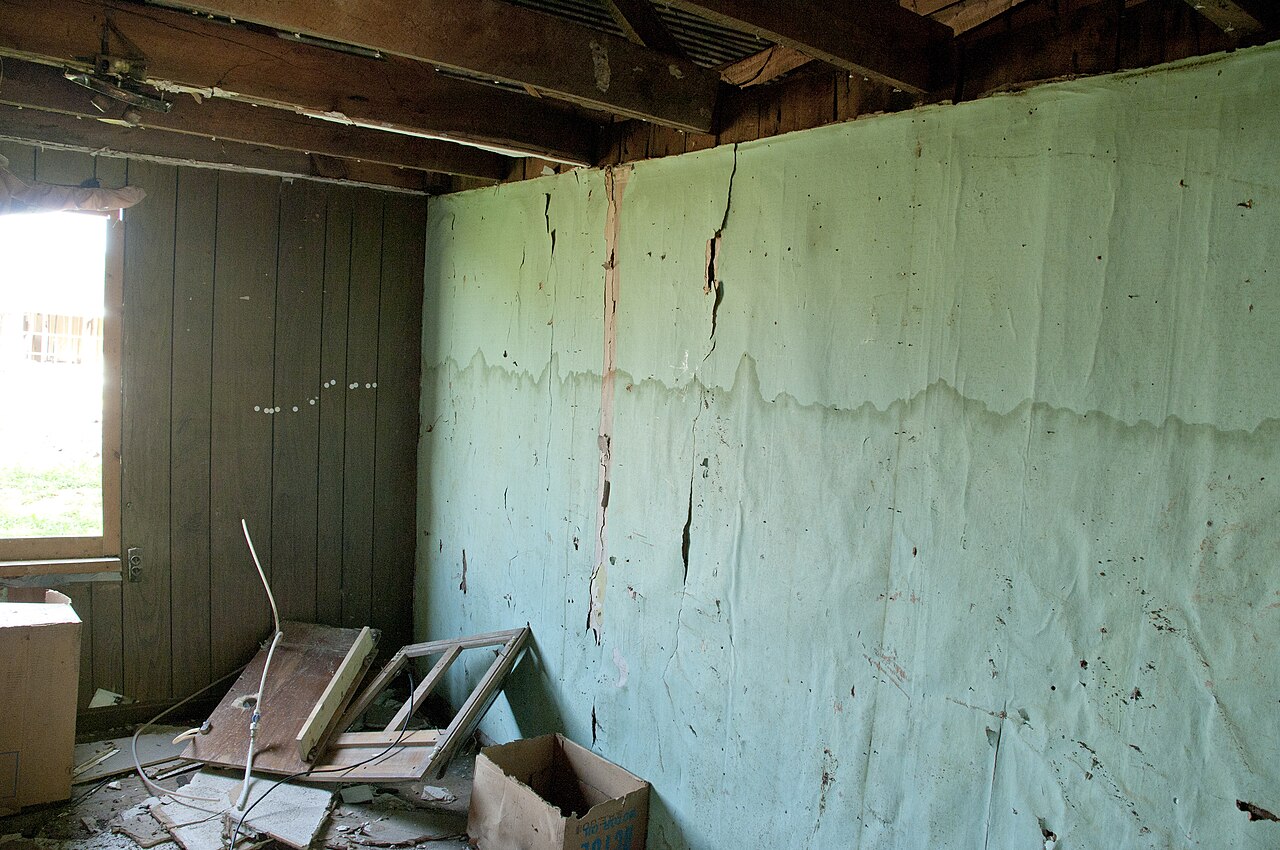
Burst & Leaking Pipe Repair
Water extraction, wall & ceiling moisture detection, structural drying, and water damage cleanup after burst or leaking pipes in Marietta.
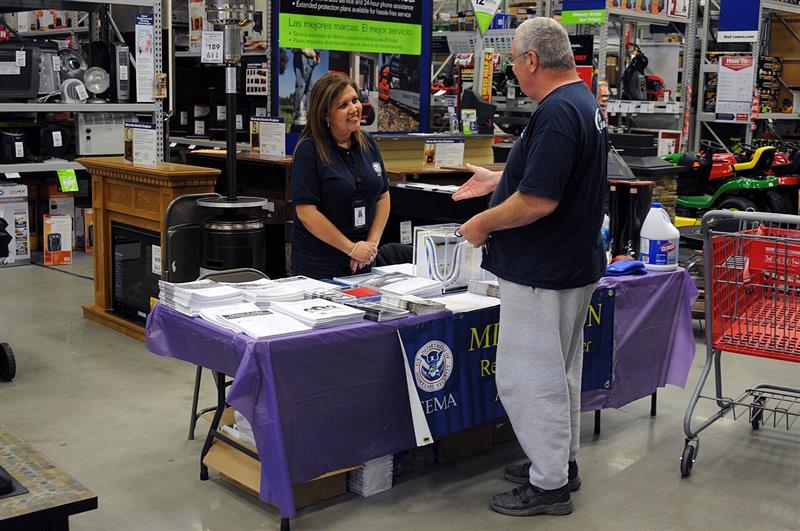
Storm & Flood Damage Cleanup
Rainwater extraction, flood cleanup, roof leak tarping support, and storm damage restoration for Marietta and Cobb County properties.
Basement Flood Cleanup
Water extraction, slab dehumidification, finished basement drying, and moisture mitigation after heavy rain, sump pump failures, or plumbing bursts in Marietta.
Need Water Damage Restoration in Marietta?
Call now to discuss your water damage situation and the next steps.