Gutters, Downspouts and Grading: When Rain Water Gets Into a Marietta Home
Clogged gutters, short downspouts, and yard grading that slopes toward the house push Georgia storm water straight into Marietta homes — through basements, crawlspaces, and foundations. Learn the warning signs, the fixes, and what to do when water is already inside.
Quick Answer
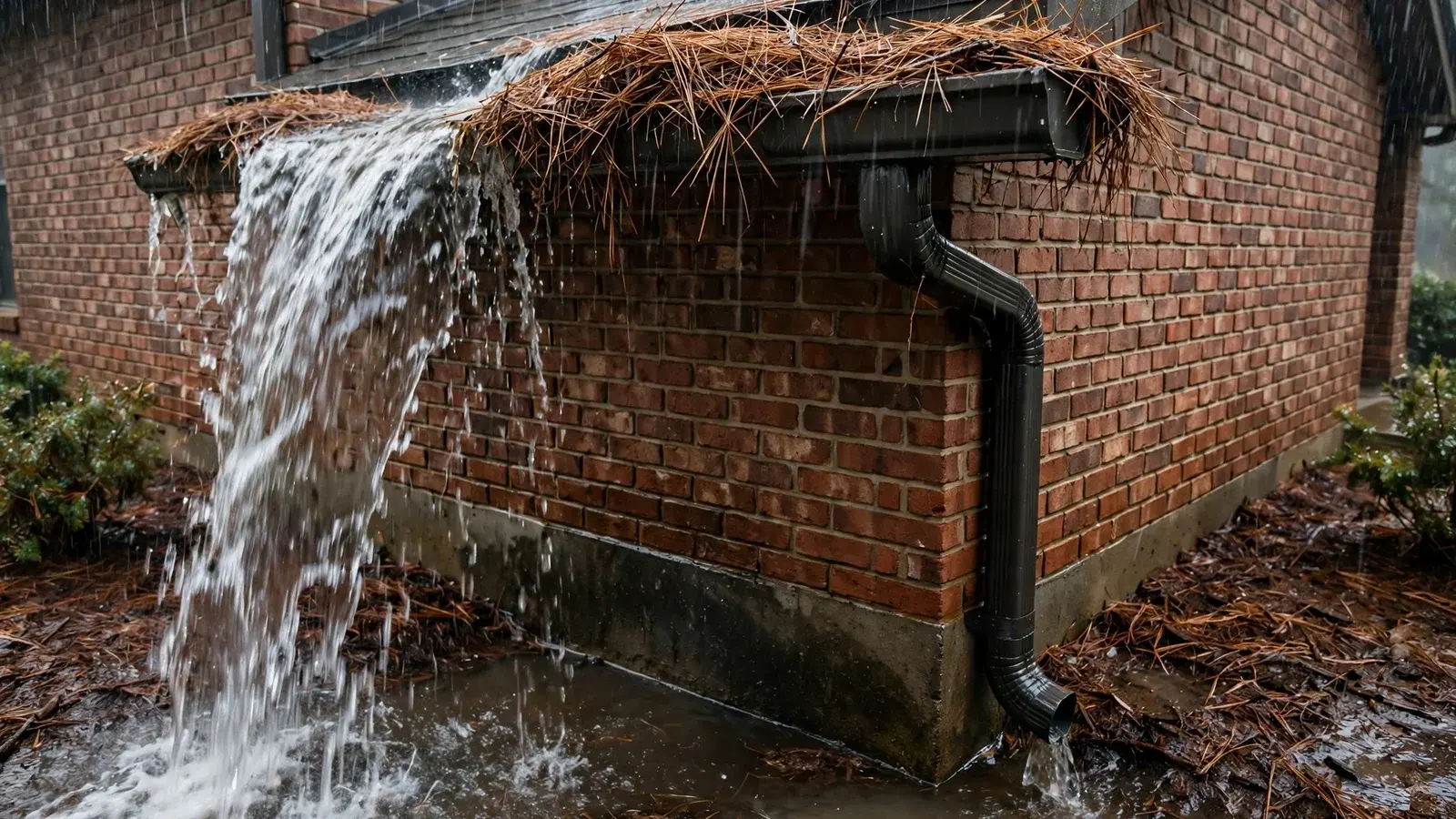
Gutter water damage in Marietta starts when clogged gutters overflow, downspouts dump water beside the foundation, or the yard slopes toward the house — sending Georgia storm water into basements and crawlspaces. Keep gutters clear, extend downspouts 4–6 feet out, and grade soil away from the house. If water is already inside, call +1 (470) 804-0012.
When a heavy Georgia thunderstorm rolls over Marietta, your roof sheds hundreds of gallons of water in a single hour. Gutters, downspouts, and yard grading are the system that carries it safely away from your home. When any part of that system fails, the water doesn't just disappear: it pours over the gutter edge, pools against your foundation, and finds its way inside through basement walls, crawlspace vents, and slab joints.
Exterior water intrusion is one of the most preventable causes of water damage in Cobb County — and one of the most overlooked, because the damage usually starts out of sight, in a crawlspace or behind a basement wall, and only shows up months later as mold, musty smells, or a warped floor.
If water is coming into your home right now, don't wait for it to stop on its own — call +1 (470) 804-0012 for emergency response in the Marietta area.
How Georgia Storms Overwhelm Marietta Gutters
Marietta gets roughly 50 inches of rain a year, much of it in intense summer thunderstorms that can drop an inch or more in a single hour. That kind of volume exposes every weak point in a gutter system at once:
- Pine straw and leaves. Marietta's mature tree canopy — pines, oaks, and maples — sheds needles and leaves year-round. Pine straw is especially good at matting into a dense plug that seals a gutter shut.
- Undersized gutters. Many older Marietta homes were built with 5-inch gutters and 2x3-inch downspouts, sized for lighter rain. A hard summer downpour overwhelms them, and water sheets over the edge even when the gutters are clean.
- Sagging and wrong pitch. Gutters that have pulled away from the fascia or lost their slope hold standing water, which adds weight, pulls the gutter further loose, and spills over the low side in the next storm.
A single clogged downspout in a Cobb County thunderstorm can send dozens of gallons over the gutter edge in minutes — right against the foundation wall below.
Clogged Gutters: The Most Common Failure
A gutter's only job is to move water from the roof edge to the downspout. When debris blocks that path, the gutter becomes a trough that fills until gutter overflow spills it out — usually landing in the worst possible place: directly beside the foundation, where it soaks the soil and presses against basement or crawlspace walls.
Signs your gutters are clogged or failing:
- Water pouring over the edge during rain
- Stains or streaks on the siding below the gutter
- Plants growing in the gutter
- Gutters pulling away from the house or sagging between brackets
- Water pooling beside the foundation after rain
- Erosion trenches in the mulch under the gutter line, where overflow has been landing storm after storm
Clean your gutters at least twice a year in Marietta — once in late fall after the leaves drop, and once in late spring after pollen season and spring storms. Homes under heavy pine canopy need a third cleaning in mid-summer. Gutter guards help, but they are not maintenance-free: fine pine needles slip through most guard designs and still need to be cleared.
Downspouts That Dump Water at the Foundation
Even clean gutters fail if the downspouts end too close to the house. A downspout that discharges at the base of the foundation wall pours a concentrated stream of roof water into the soil right where it can do the most damage — saturating the ground, raising pressure against the wall, and finding every crack, joint, and window-well gap.
What to check at each downspout:
- Extension length. A downspout extension should carry water at least 4–6 feet away from the foundation — short splash blocks that end a foot from the wall are not enough in Georgia clay soil, which holds water and drains slowly.
- Discharge direction. Water should flow onto ground that slopes away from the house, never toward a walkway or driveway that drains back.
- Underground drains. Many Marietta homes have downspouts connected to buried pipes that clog with roots, silt, and debris — if water gurgles or overflows at the downspout elbow during rain, the buried line is likely blocked.
- Disconnected or crushed sections. Landscaping work and settling soil frequently crush or disconnect extensions, so walk the perimeter after a storm and look for pooling where it shouldn't be.
If your yard is small or slopes the wrong way, a rain barrel, dry well, or a buried pipe run to the street or a lower part of the lot can carry water far enough away to keep the foundation dry.
Grading: The Slope That Decides Where Water Goes
Grading is the shape of the ground around your house — and it decides whether rain water flows away from your foundation or straight toward it. Builders are supposed to grade soil so it falls away from the house for at least the first 6–10 feet. Over time, that slope disappears: soil settles, mulch beds are built up against the house, flower beds trap water, and erosion carries soil away from the low side.
How to check your grading — and stop water pooling around the foundation:
- The 6-inch rule. The ground should drop at least 6 inches in the first 10 feet from the foundation — any puddle that lingers for hours within a few feet of the house means the grade is flat or reversed.
- Mulch height. Keep mulch at least 6 inches below the siding and sloped outward, since mulch piled against the wall holds moisture and hides the grade underneath.
- Bed edging. Raised edging and landscape timbers around beds next to the house trap water against the wall, so leave a gap or grade the bed itself to slope outward.
- Settled hard surfaces. Watch for driveways, patios, and walkways that have settled toward the foundation — a patio that ponds after rain is funneling water to the wall.
How Exterior Water Gets Inside — and What It Damages
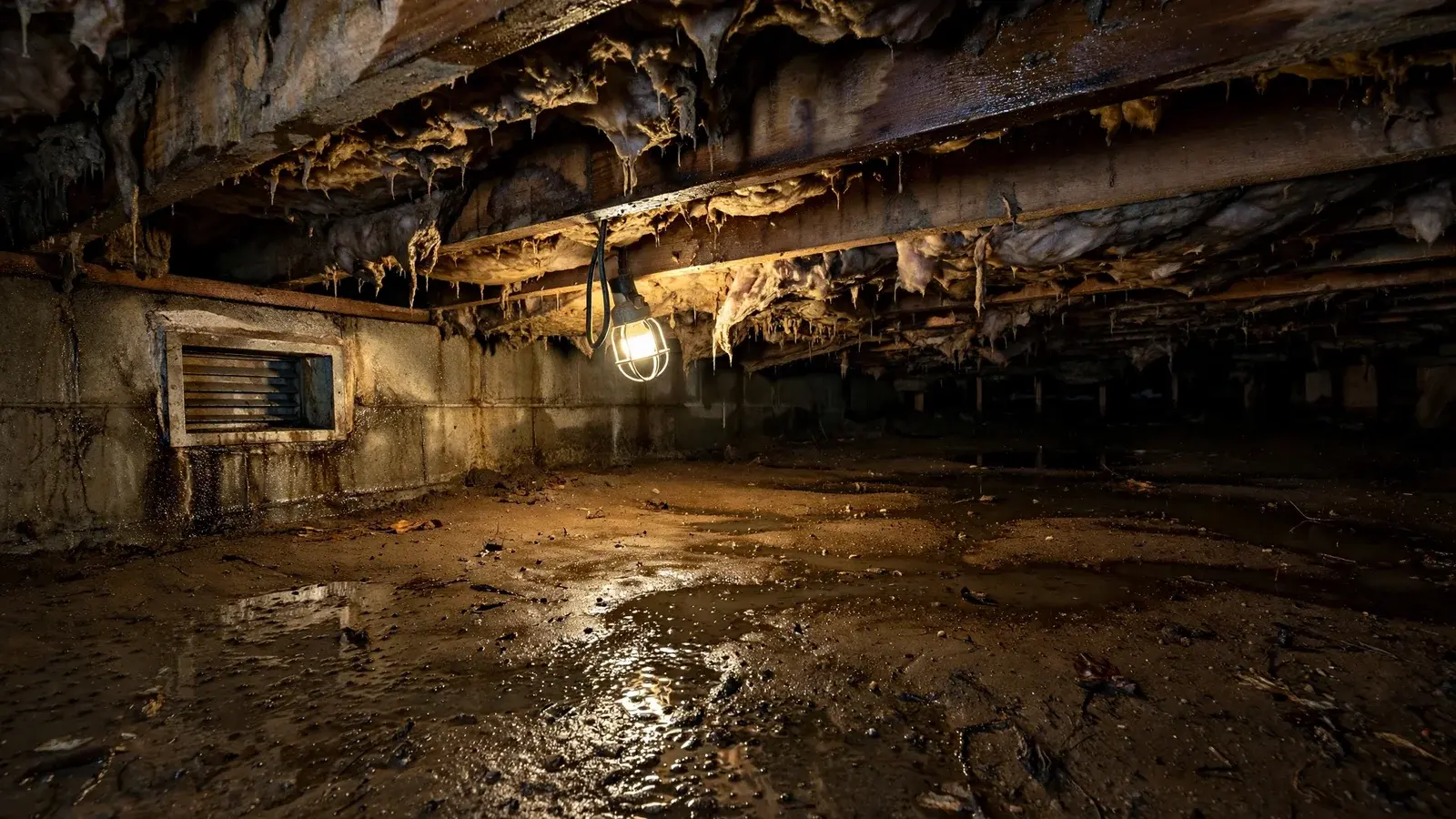
Rain water that pools against a foundation doesn't stay outside. It enters through:
- Cracks in foundation walls — hairline cracks widen with freeze-thaw cycles and Georgia's shrink-swell clay soil
- Crawlspace vents and access doors that let surface water pour in during a heavy storm
- Basement window wells without drains, which fill like bathtubs
- The wall-to-floor joint, where pressure pushes water up through the seam
- The slab edge and door thresholds on slab homes, where water seeps under exterior doors and through the bottom plate of the wall framing
Once inside, the damage compounds quietly. Wet crawlspace insulation sags and falls, floor joists absorb moisture, and Georgia's humidity keeps everything damp long after the storm passes — mold can begin growing within 24–48 hours on wet wood and drywall. In basements, repeated intrusion stains walls and buckles flooring. Because the source is outside, the water returns with every storm until the drainage is fixed.
For the full picture of what happens after water gets in, see our guide to the water damage restoration process, and our guide to preventing water damage in Marietta homes.
What to Do When Water Is Already Inside
If you find standing water in a basement or crawlspace after a storm, act in this order:
- Stay safe. Don't step into standing water until you know the power is off in the affected area. If the water is near the breaker panel or outlets, turn power off at the main panel from a dry location first.
- Stop the inflow if you can do so safely. Clear a visibly clogged gutter or downspout from the ground — never climb a ladder in a storm. Move a downspout extension or place a temporary splash board to redirect water away from the wall.
- Move valuables off the floor. Lift boxes, rugs, and furniture out of the water's path. Anything that sat in water for hours may already be damaged — set it aside for assessment rather than throwing it away immediately.
- Document everything. Photograph the water level, the wet walls and belongings, and the outside source — the overflowing gutter, the pooled water at the foundation, the clogged downspout. Your insurer will want this, and it also proves the cause for the repair.
- Call for emergency help: +1 (470) 804-0012. Professional water extraction in the first hours prevents the secondary damage — warped floors, swollen drywall, and mold — that turns a wet basement into a weeks-long restoration.
Do not wait to "see if it dries." Water trapped in a crawlspace or behind basement walls doesn't dry on its own in Georgia humidity — it wicks deeper and starts growing mold within 24–48 hours. Fast extraction is the difference between a cleanup and a renovation.
Frequently Asked Questions
How often should I clean my gutters in Marietta?
At least twice a year — late fall after leaf drop and late spring after pollen season. Homes under heavy pine canopy usually need a third cleaning in mid-summer, because pine straw mats into a dense plug that seals gutters shut.
How far should downspouts extend from the house?
At least 4–6 feet from the foundation, discharging onto ground that slopes away from the house. In Georgia clay soil, which drains slowly and holds water against the wall, shorter extensions are not enough.
Can clogged gutters cause water in the basement?
Yes. A single clogged downspout during a heavy Cobb County thunderstorm can send dozens of gallons over the gutter edge in minutes, straight against the foundation. That water presses against basement and crawlspace walls and enters through cracks, joints, and vents.
Why does my crawlspace flood every time it rains hard?
The most common causes are downspouts discharging at the foundation, grading that slopes toward the house, and low crawlspace vents that let surface water pour in. Fix the drainage outside first — drying the crawlspace without fixing the source means it will flood again with the next storm.
What is the white powder on my basement walls?
That is efflorescence — mineral salts left behind when water moves through concrete or masonry and evaporates. It is a sign that water is pressing against the wall from outside, even if you haven't seen standing water yet.
Will homeowners insurance cover water damage from bad gutters?
It depends on the policy and the cause. Sudden, accidental water intrusion is often covered, while damage from long-term neglect or maintenance issues is commonly excluded. Document the damage and the source with photos, and contact your insurer promptly.
Sources & References
- Institute of Inspection, Cleaning and Restoration Certification (IICRC) — S500 Standard for Professional Water Damage Restoration.
- U.S. Environmental Protection Agency (EPA) — Mold Course: mold growth timelines and indoor humidity guidance.
- National Weather Service / NOAA — Georgia rainfall climatology and storm data.
Water coming into your Marietta home after a storm?
Don't wait for the damage to spread. Call us for fast extraction, thorough drying, and a clear next step for your Marietta home.
Call +1 (470) 804-0012Complementary Restoration Services
Explore additional specialized water damage, sewage, pipe repair, and flood cleanup services in Marietta.
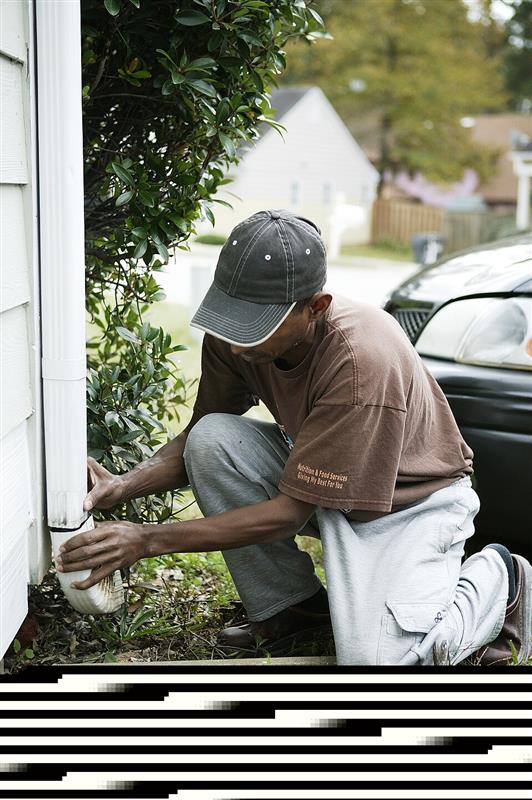
Water Damage Restoration
Professional water damage cleanup, water extraction, structural drying, and damage restoration for homes, apartments, and commercial properties in Marietta and Cobb County.
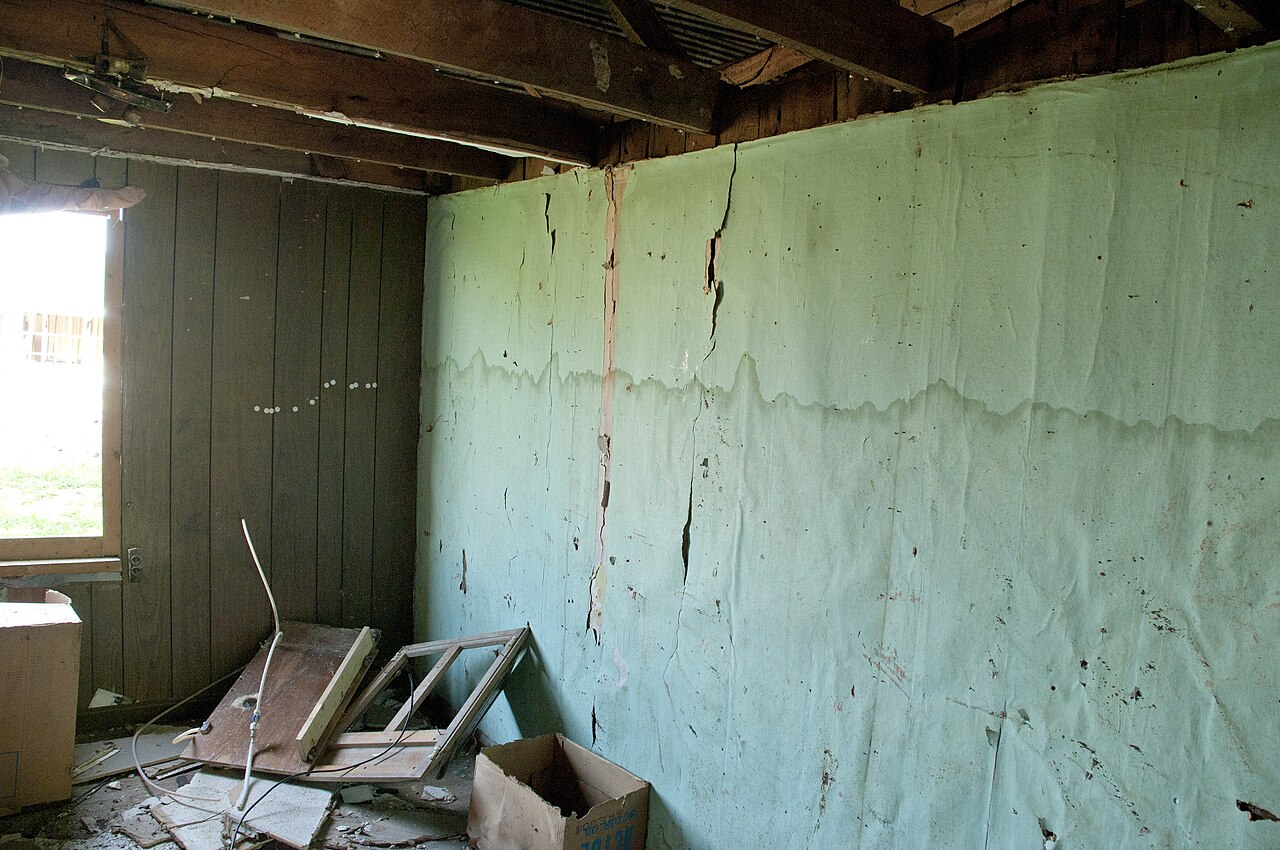
Basement Water Removal
Standing-water removal and extraction, slab dehumidification, finished basement drying, and moisture remediation after heavy rain, sump pump failures, or plumbing bursts in Marietta.
Need Water Damage Restoration in Marietta?
Call now to discuss your water damage situation and the next steps.