Sewage Backup Cleanup in Marietta: What to Do, What Never to Touch, and How Pros Handle It
Sewage is Category 3 water — the most contaminated class — and it is not a mopping job. Learn what homeowners should never handle themselves, how to keep the household safe while the area is off-limits, and what professional sewage cleanup involves step by step.
Quick Answer
Sewage is Category 3 water — the most contaminated class — and it should be treated as a biohazard, not a mopping job. Keep people and pets out of the affected area, stop using drains and toilets, do not try to scrub contaminated porous materials yourself, and arrange for professional extraction, removal, and disinfection plus a plumber to clear the blockage. For emergency response, call +1 (470) 804-0012.
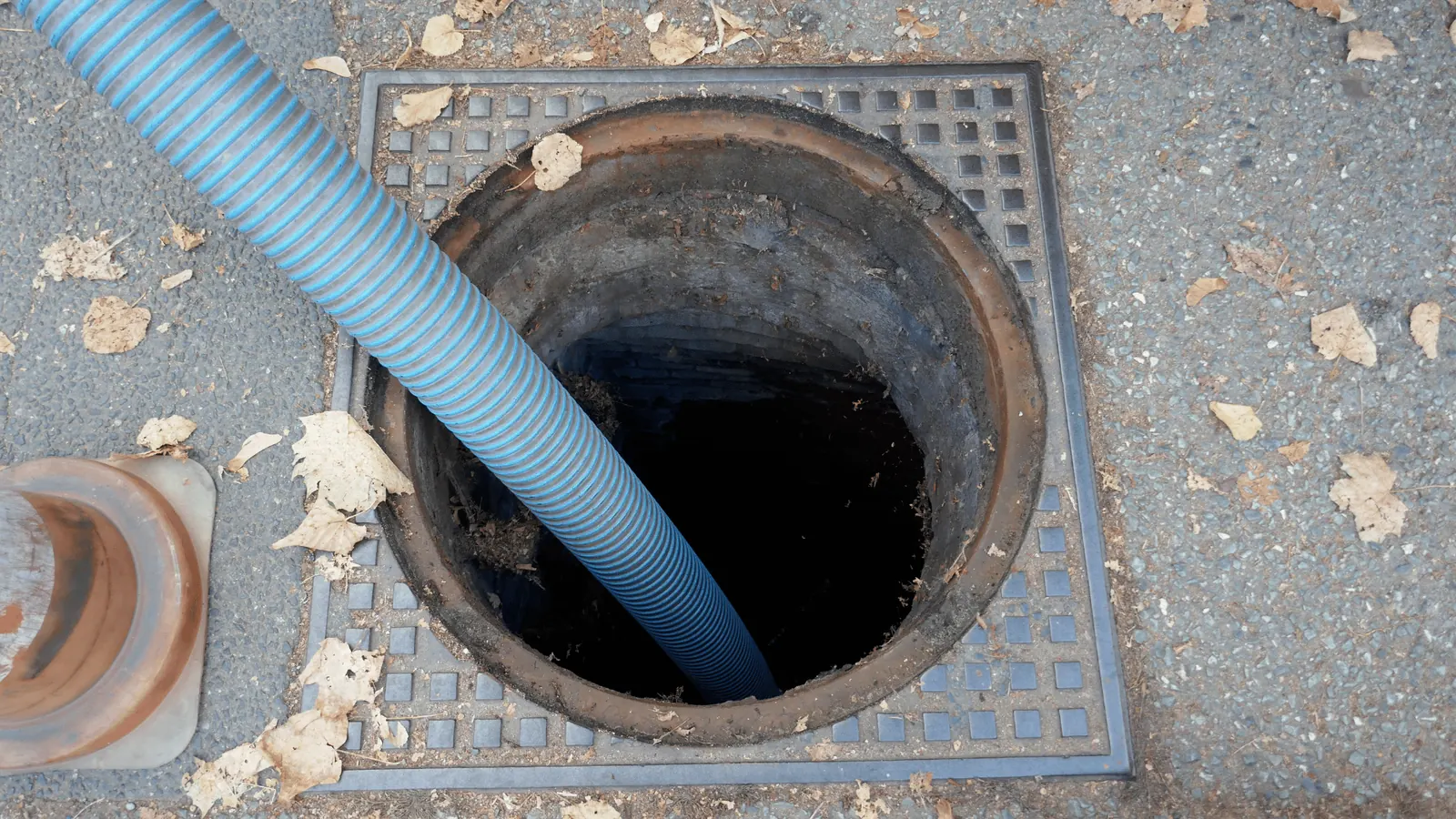
A sewage backup is the water event homeowners dread most, and for good reason. When a drain line blocks or a sewer lateral fails, wastewater comes back through the lowest fixtures in the house — a basement floor drain, a ground-floor toilet, a tub or shower — and spreads across the floor carrying everything that was in the line. In Marietta it often happens during heavy rain, when stormwater overloads older lines and a home's lowest level takes the overflow.
This guide explains plainly why sewage cleanup follows different rules from a clean-water leak, what homeowners should and should not do themselves, how to keep the household safe while help is arranged, and what a professional cleanup involves step by step.
Why Sewage Is Different — and What Never to Touch Yourself
Restoration work classifies water by contamination. Clean supply-line water is Category 1. Sewage is Category 3: it can carry bacteria, viruses, parasites, and chemical residues, and anyone working in it needs protective equipment and controlled procedures. Those sewage backup health risks are why cleanup follows controlled, biohazard-style procedures instead of ordinary mopping. The bigger issue for homeowners is that sewage does not stay on surfaces — it soaks into carpet, pad, drywall, insulation, and wood, and porous materials that absorbed it generally cannot be disinfected reliably enough to keep.
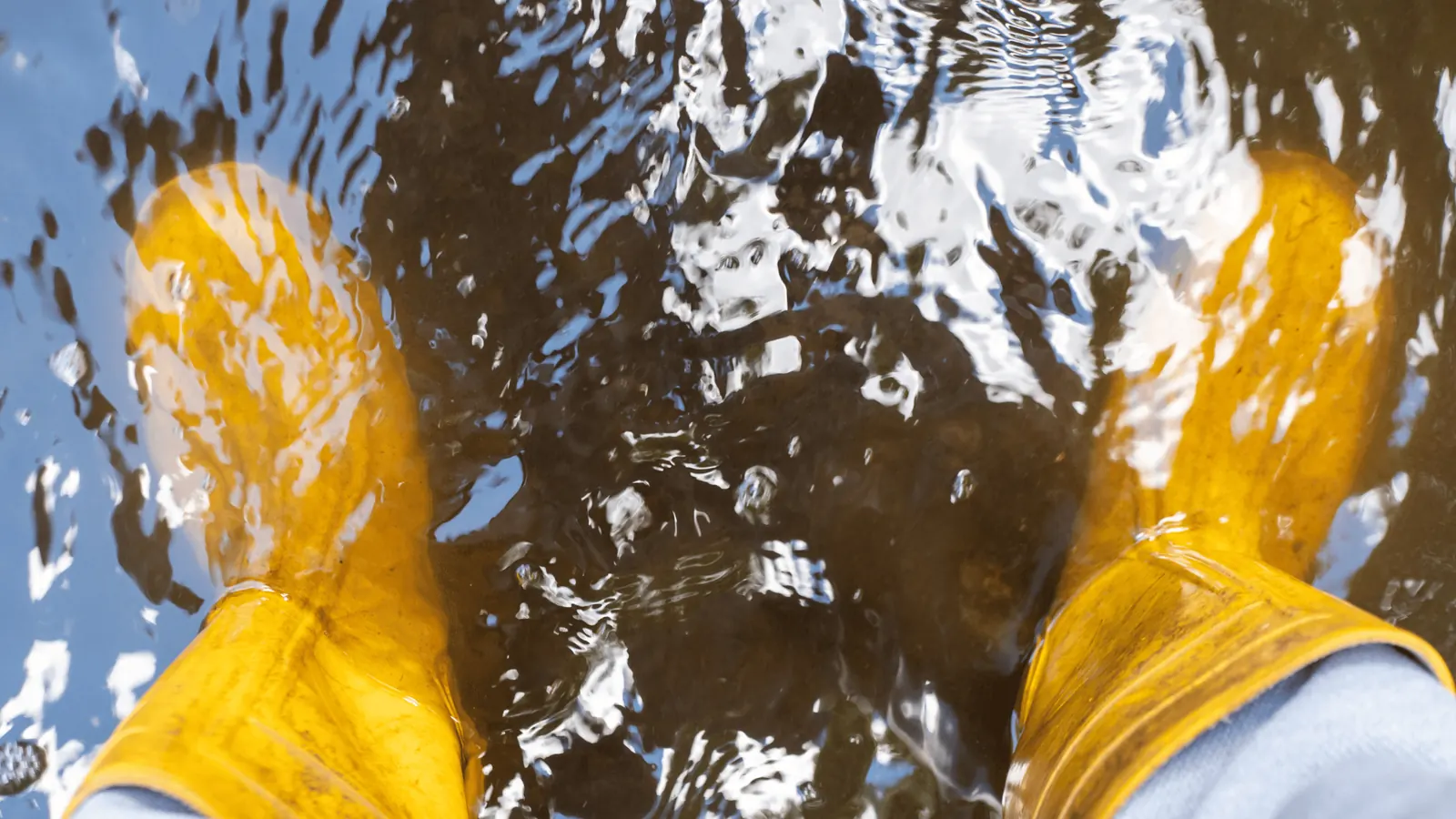
- •Do not wade in, mop up, or shop-vac sewage without protection. Skin contact and splashes are the exposure route, and household equipment used for sewage becomes contaminated itself.
- •Do not try to save soaked carpet, padding, upholstered furniture, or drywall. Sentimental items are the hardest call, but porous materials that absorbed sewage are a removal item under professional standards, not a cleaning item.
- •Do not run the HVAC if vents or returns are in the affected area. Airflow can spread contaminated particles and odor into clean parts of the house.
- •Do not keep flushing or running water to "push the clog through." Every gallon sent down a blocked line is a gallon looking for the lowest exit — inside your house.
Sewage Backup Causes: Why Backups Happen in Marietta Homes
A backup is a symptom — the line out of the house is blocked, damaged, or overwhelmed. In Marietta and Cobb County, the usual causes are:
- •Aging sewer laterals. Many homes built from the 1960s to the 1980s still have their original sewer lateral — the pipe to the street main. Clay and cast-iron laterals crack, shift, and open joints where roots enter.
- •Tree roots. Marietta's mature oaks and pines send roots toward the moisture in sewer lines. A root intrusion that starts as a slow drain can become a full blockage.
- •Heavy Georgia rain. Intense summer storms and tropical-system downpours can overwhelm older drainage and push water back through low drains — which is why so many Marietta backups appear during or right after a storm.
- •Grease, wipes, and buildup. Grease poured down a kitchen sink hardens in the line, and so-called flushable wipes do not break down like toilet paper — they snag on roots and rough joints until the line chokes.
- •Crawlspace and slab construction. Many Marietta homes sit on crawlspaces or slabs rather than full basements. When a sewer line under a slab or through a crawlspace fails, wastewater can surface inside before anyone notices a problem outside.
Warning signs usually appear first: gurgling toilets when the washer drains, several drains slowing at once, a sewage smell near a floor drain, or water bubbling up in a shower when a toilet flushes. Any of these means the main line is struggling and is worth a camera inspection before it becomes a full sewer line backup.
Sewage Backup in the Basement: Floor Drains and Low Fixtures Go First
When a sewer line blocks, the water looks for the lowest opening in the system — and in most homes that is downstairs. A sewage backup in the basement usually surfaces first at the basement floor drain, then at a basement toilet, tub, or shower. That is why a sewage backup in a basement floor drain or a basement toilet backup is rarely a fixture problem: the fixture is just the exit point for a main-line blockage further down.
Basements also hold the belongings homeowners least want contaminated — stored boxes, laundry areas, finished living space, and the furnace or water heater. Keep everyone out, do not run a fan that blows air from the basement into upstairs rooms, and treat anything the water touched as described in the Category 3 section above. If backups repeat during storms, ask the provider about a backwater valve on the main line, which can stop municipal surges from flowing back into the house.
What to Do in the First Hour of a Sewage Backup
Knowing what to do when a sewer backs up into your house limits both the health risk and the damage:
- 1.Stop using all water. Do not flush toilets, run showers, start the washer or dishwasher, or run taps — every gallon sent down a blocked line can push more sewage back into the home.
- 2.Keep people and pets out of the affected area. Close the door if you can. Children, pets, and anyone with a weakened immune system should stay clear of the water and anything it touched.
- 3.Turn off electricity to the affected area if it is safe to do so. If water is near outlets, the breaker panel, or light fixtures, switch off power from a dry location — never step into standing sewage water to reach a switch.
- 4.Move dry valuables out of the path — from dry ground only. Lift dry items in nearby rooms out of the way if the backup is still spreading. Do not wade in to rescue items sitting in sewage water.
- 5.Document the damage. From a safe position, photograph the waterline, the source drain, affected rooms, and damaged belongings, and note the discovery time. This record helps your insurer and the restoration team.
- 6.Call for emergency help: +1 (470) 804-0012. Sewage cleanup needs protective equipment, extraction tools, and antimicrobial treatment that household cleaning cannot match — and the sooner it begins, the less material must be removed.
Do not wait for the water to recede. Contamination left in flooring, baseboards, and wall cavities stays after visible water drains — professional drying and sanitizing still matter.
Keeping Everyone Safe While the Backup Is Dealt With
Close off the affected rooms and keep children and pets out entirely — pets track contamination further than anyone. If the backup is in a basement or ground floor, use bathrooms and water only on upper floors if a plumber confirms the lines are separate and safe; otherwise, treat the whole drainage system as off-limits until the blockage is cleared. Wash hands and any skin that contacted the area thoroughly, bag any clothing that got wet, and ventilate with fresh outdoor air if windows can be opened without running contaminated air through the HVAC. Anyone in the household with symptoms after exposure should talk to a healthcare professional rather than waiting it out.
Also protect the rest of the house from your own foot traffic: shoes that walked near the backup should not cross clean floors, and items stored in the affected area — boxes, laundry, stored food — should be treated as contaminated if they sat in or near the water.
What Restoration Pros Do, Step by Step
- 1.Confirm the source is stopped. The blockage or failure is identified and a plumber clears or repairs the line, so no new wastewater enters during cleanup.
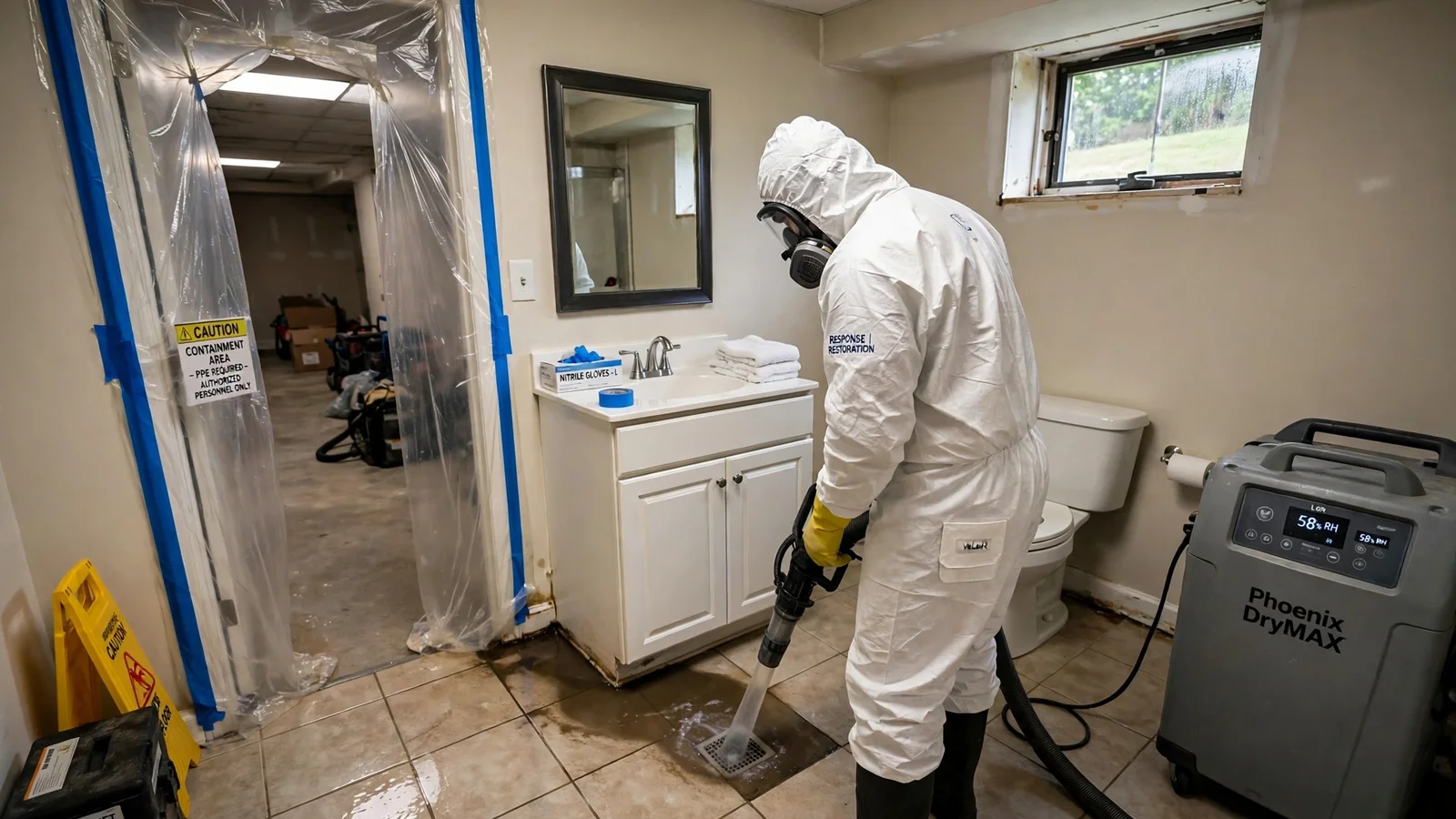
- 2.Contain and protect. Crews set up containment around the work area and work in protective gear, so contamination is not carried into clean rooms during removal.
- 3.Extract water and remove contaminated materials. Standing sewage is extracted, and porous materials that absorbed it — carpet and pad, affected drywall and insulation, unsalvageable belongings — are removed and bagged for disposal.
- 4.Clean and disinfect hard surfaces. Concrete, framing, tile, and other non-porous or semi-porous surfaces are cleaned and treated with appropriate disinfectant and antimicrobial products.
- 5.Dry and verify. The structure is dried with professional equipment and checked with moisture readings, so rebuilding does not seal damp, contaminated cavities behind new drywall. Only then does reconstruction begin.
This site connects Marietta homeowners with independent local restoration providers for sewage cleanup — call +1 (470) 804-0012 to discuss your situation. Document the damage with photos and notes on when the backup started, and check your policy for a water backup endorsement, as the Georgia insurance guide explains.
Preventing the Next Sewage Backup
Once the emergency is handled, ask about the underlying cause — an unfixed line tends to back up again. Sewage backup prevention comes down to knowing the condition of the line and keeping the wrong things out of it:
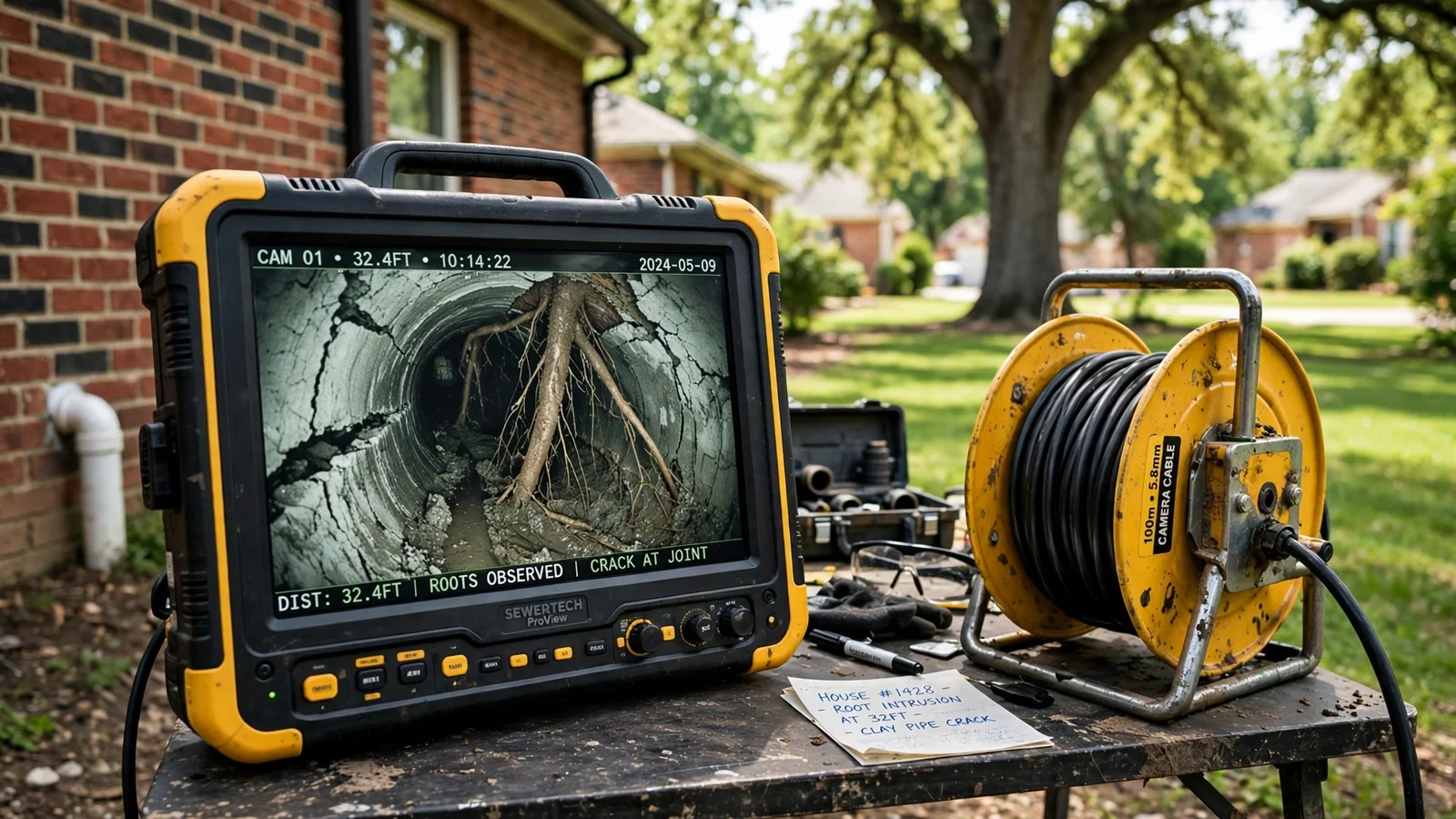
- •Get a sewer line camera inspection. A camera run shows roots, cracks, bellies, and offsets, so the actual defect gets fixed instead of guessed at — scheduled root cutting or a lateral repair can then address the real entry points.
- •Consider a backwater prevention valve. For homes with low drains that back up during storms, a backwater valve on the main line can stop municipal surges flowing back into the house.
- •Practice drain discipline. Never flush wipes, paper towels, or hygiene products, and never pour grease down the sink — even products labeled flushable. In a home with an older lateral, these turn a partial blockage into a full backup.
- •Stay storm-ready. Before heavy-rain season, check that gutters and grading direct water away from the foundation, and know your lowest drain — the fixture most likely to show a backup first.
The seasonal habits in the preventing water damage in Marietta homes guide pair well with a one-time camera inspection: together they are the practical answer to how to prevent a sewage backup in a house with an older Georgia sewer line.
Frequently Asked Questions About Sewage Backups
Why is sewage water treated differently from a clean pipe leak?
Restoration standards classify water by contamination, and sewage is Category 3 — the most contaminated class. It can carry bacteria, viruses, and other pathogens, and it soaks into porous materials that cannot be reliably disinfected, so those materials are removed rather than dried and kept. The categories and classes guide explains the full scale.
What should I do first when sewage backs up into my home?
Stop adding water to the system — no flushing, no laundry, no dishwasher — and keep people and pets out of the affected area. Do not walk through the water and spread contamination to clean rooms. Photograph the damage from the doorway if it is safe, then arrange professional cleanup and a plumber to clear the blockage.
Can I clean up a small sewage spill myself?
A truly small spill on a hard, non-porous surface — a few splashes on sealed tile, caught immediately — is a judgment call some homeowners handle with gloves, ventilation, and disinfection. Anything that spread across flooring or reached carpet, drywall, or wood is a professional job. The risk is not the visible mess; it is what soaked in underneath.
What causes a sewage backup in Marietta homes?
Backups happen when wastewater cannot flow out: a clog from grease, wipes, or debris, tree roots growing into older sewer laterals, a damaged line, or a municipal line surcharging during heavy rain so wastewater pushes back toward the house. Heavy Cobb County storms are a common trigger for basement backups.
What causes a sewer smell in my house with no visible water?
A dry floor-drain trap, a cracked vent pipe, or a partial blockage can let sewer gas into the house before any backup appears. Refilling dry traps with water often clears the smell; if it returns, the line needs inspecting, because odor is frequently the first warning of the blockage that later causes a full backup.
Does homeowners insurance cover sewage backups?
Standard homeowners policies commonly exclude sewage and drain backups unless the policy includes a specific water backup endorsement. Coverage varies widely, so check your policy documents or ask your agent — and document the damage thoroughly either way.
How long until the affected rooms can be used again?
Rooms return to use after the full sequence: source cleared, contaminated water and materials removed, surfaces cleaned and disinfected, and the structure verified dry. Rushing back in before disinfection and drying finish is how odors and complaints linger. Your provider should explain what was removed, what was treated, and how dryness was confirmed.
Data Sources & Standards Referenced
Dealing with a sewage backup? Keep the household out of the affected area and get the cleanup handled properly — call +1 (470) 804-0012 to connect with an independent local restoration provider in the Marietta area.
Related Guides
Marietta Service Hubs
Water damage restoration services are available across Cobb County municipalities:
Complementary Restoration Services
Explore additional specialized water damage, sewage, pipe repair, and flood cleanup services in Marietta.
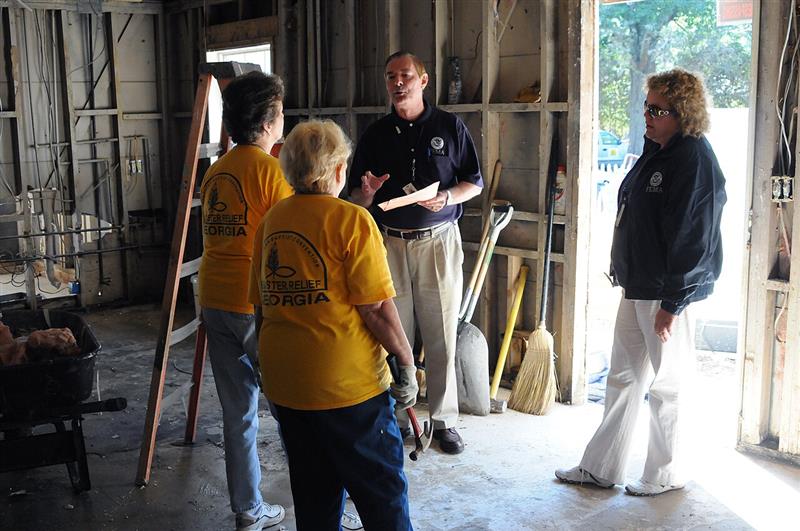
Sewage Backup Cleanup
Safe, professional cleanup of sewage backups and black water contamination in Marietta homes — Category 3 water handled with full containment, sanitization, and proper disposal.
Water Damage Restoration
Professional water damage cleanup, water extraction, structural drying, and damage restoration for homes, apartments, and commercial properties in Marietta and Cobb County.
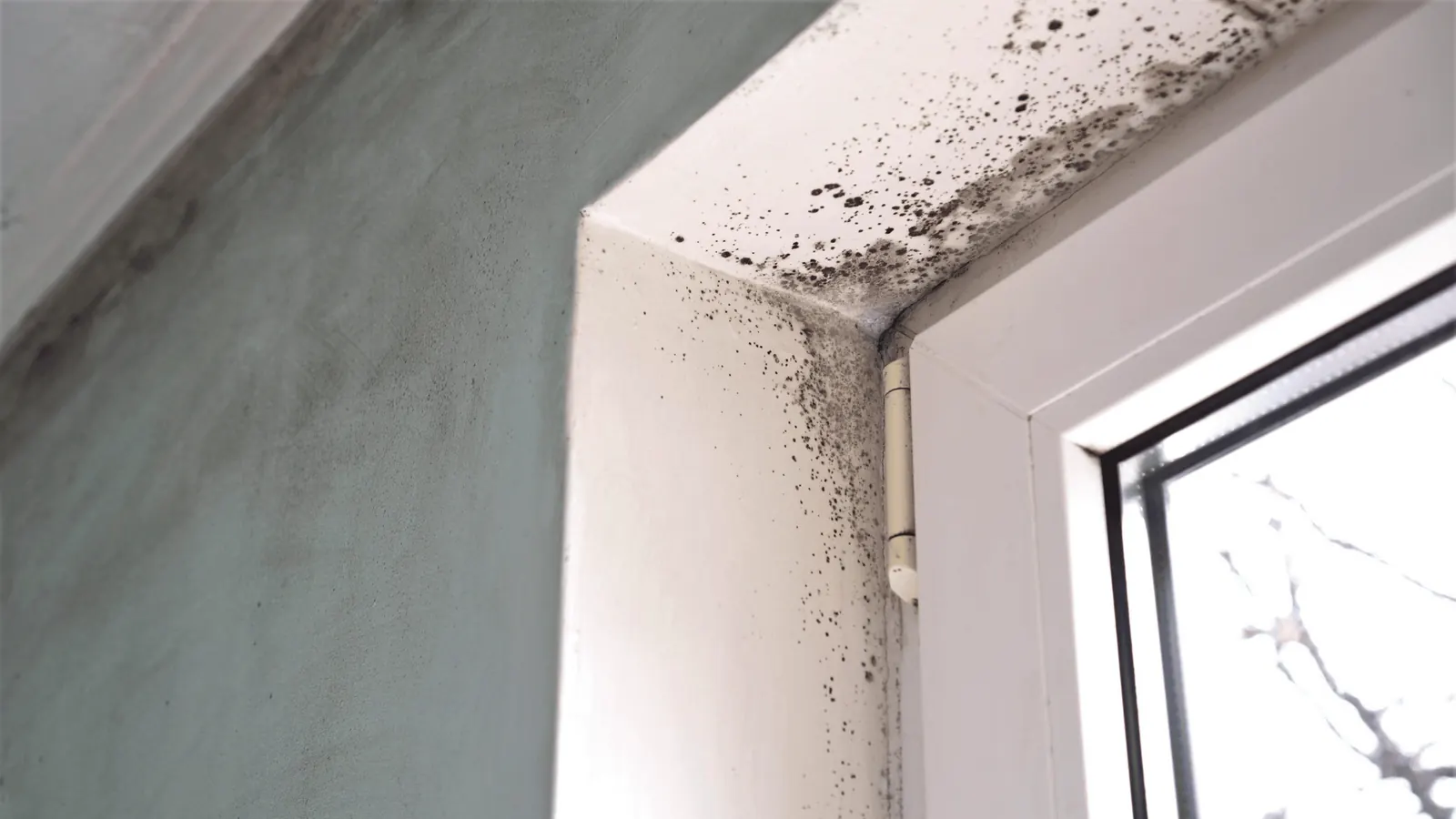
Mold Remediation & Removal
Professional mold containment, structural surface cleaning, HEPA air filtration, and underlying moisture remediation in Marietta and Cobb County.
Need Water Damage Restoration in Marietta?
Call now to discuss your water damage situation and the next steps.