Crawl Space Water Damage in Marietta, GA
Standing water extraction, subfloor joist drying, saturated vapor barrier removal, and structural moisture remediation for crawl spaces in Marietta.
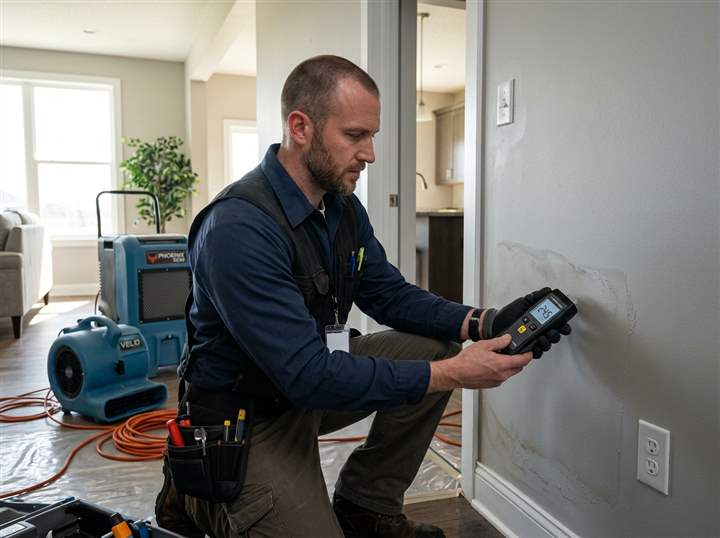
Is Water Pooling Under Your Floor Joists in Marietta?
Standing water in crawl spaces causes floor joist moisture and subfloor rot. Connect with restoration providers for extraction and joist drying across Cobb County.
Vented vs. Closed Crawl Spaces in Humid North Georgia Climates
Many established homes in Marietta and Cobb County feature crawl space foundations. Building science research from the U.S. Department of Energy (Energy.gov / Building America Top Innovations) demonstrates that in hot, humid climates, traditional open-vented crawl spaces allow moist outdoor air to enter beneath the home during humid summer months.
When warm outdoor air contacts cooler air conditioning ductwork and subfloor framing, relative humidity frequently spikes above 70%, leading to condensation, wood decay, and mold growth. Under modern building codes (International Residential Code IRC R408.3), unvented conditioned crawl spaces perform significantly better by preventing outdoor moisture ingress and maintaining relative humidity below 60%.
Primary Causes of Crawl Space Water Intrusion
Water accumulates in crawl spaces through both interior mechanical failures and exterior environmental factors:
- 1.Plumbing Supply Line & Drain Ruptures: Pipe breaks or pinhole leaks releasing pressurized water into under-floor trenches.
- 2.HVAC Condensate Line Clogs: Primary drain line blockages causing air conditioning condensate to spill into crawl space soil.
- 3.Bare Dirt Floor Evaporation: Moisture evaporating continuously from exposed soil into subfloor floor joists.
- 4.Surface Runoff & Foundation Seepage: Heavy rainfall pooling against foundation walls due to inadequate lot slope or downspout discharge.
Signs of Hidden Crawl Space Water Damage
Because homeowners rarely enter crawl spaces, water accumulation can remain undiscovered until signs appear inside living areas:
- Persistent damp, musty odors entering main floor living spaces via the "stack effect."
- Cupping, warping, or squeaking solid hardwood floorboards on the first floor.
- Fiberglass batt insulation under joists sagging, turning heavy, or falling to dirt floors.
- Visible fungal growth on subfloor wooden support beams or sill plates.
Safety Considerations & Why Crawl Space Water Intrusion is Not a DIY Task
Crawl space water removal presents serious safety hazards that require specialized professional protective equipment:
Confined spaces with low clearance expose individuals to standing water near live electrical junction boxes or HVAC wiring. Soil-contaminated water can carry fungal spores, rodent droppings, or pest contaminants. Pumping out water and positioning low-profile commercial dehumidification requires specialized pumps and moisture probes to verify that sill plates and floor joists return to baseline dry standards.
Neutral Overview of Crawl Space Encapsulation Options
Following emergency water removal and joist structural drying, homeowners may consider long-term moisture management options such as crawl space encapsulation:
Encapsulation involves sealing foundation vents, laying heavy-duty polyethylene vapor barriers over soil and masonry piers, and installing a dedicated crawl space dehumidification unit. When evaluating encapsulation quotes, homeowners should ask neutral questions:
- Has all bulk standing water and active plumbing leak sources been completely resolved first?
- Are floor joists and subflooring fully dried to target dry standards before sealing plastic?
- Is the proposed dehumidifier sized appropriately for the crawl space cubic footage?
Insurance Nuance for Crawl Space Water Damage
Insurance coverage for crawl space water damage depends on the water source. Sudden plumbing pipe bursts or water heater ruptures discharging into a crawl space are generally covered under standard homeowners policies. However, standing water caused by rising groundwater tables, subsurface soil seepage, or long-term lack of vapor barriers is typically excluded unless specific flood insurance or sump backup coverage is present.
When to Call a Professional Restoration Specialist
Professional crawl space mitigation is recommended under the following criteria:
- Standing water has accumulated in soil trenches or beneath floor joists.
- First-floor hardwood floorboards display cupping or warping.
- Subfloor insulation is saturated or moisture penetrates wooden floor joists and sill plates.
- Water intrusion has been unaddressed for longer than 24 to 48 hours.
Data Sources & Standards Referenced
Technical guidance on crawl space moisture control and building science is compiled from authoritative standards:
- • U.S. Department of Energy (Energy.gov): Unvented Conditioned Crawlspaces Research
- • U.S. Environmental Protection Agency: A Brief Guide to Mold, Moisture, and Your Home
- • ANSI/IICRC S500: Standard for Professional Water Damage Restoration (5th Edition, 2021)
General informational guidance, not legal, insurance, engineering, or medical advice.
Crawl Space Service Highlights:
- Submersible pumping for standing crawl space water
- Subfloor wood joist & sill plate moisture testing
- Removal of saturated vapor barriers & insulation
- Low-profile commercial dehumidification
- Antimicrobial washdown for wooden substructures
Nearby Service Areas
Crawl space water damage and moisture remediation services across Cobb County:
Crawl Space Water Mitigation Capabilities
Standing water pumping, joist moisture logging, low-profile dehumidification, and substructure sanitization.
Standing Water Pumping
Compact high-capacity pumps remove pooling water beneath low-clearance floor joists.
Joist & Subfloor Moisture Logs
Deep-probe moisture meters measure wood saturation in floor joists and main support beams.
Specialized Crawl Space Drying
Low-profile air movers and dehumidifiers circulate dry air in tight under-floor cavities.
Substructure Sanitization
EPA-registered botanical antimicrobials sanitize floor framing to mitigate fungal growth.
Crawl Space Restoration Process
A 5-step restoration sequence to evaluate safety, extract soil water, remove wet poly, and achieve joist dry baselines.
Safety Evaluation & Access
Check for submerged electrical lines, inspect access hatches, and assess soil stability.
Water Pumping & Extraction
Pump out pooling water from soil trenches and low points under the foundation.
Wet Insulation & Poly Removal
Clear ruined fiberglass subfloor insulation and water-trapping plastic vapor barriers.
Low-Profile Dehumidification
Operate specialized crawl space dehumidifiers until floor joist moisture readings stabilize.
Final Moisture Clearance
Verify subfloor wood moisture content meets target dry standards.
Marietta Crawl Space Moisture & Structural Protection
Many single-family homes across Marietta, Smyrna, and Cobb County feature crawl space foundations. Preserving subfloor integrity protects interior hardwood and tile flooring.
Crawl Space Water Damage FAQ
Answers to common questions regarding crawl space humidity, floor joist moisture, and encapsulation.
Why do crawl spaces in North Georgia collect excessive moisture?
In humid climates, warm summer outdoor air entering foundation vents condenses on cooler subfloor joists and ductwork, combining with bare-ground evaporation and drainage runoff to trap moisture beneath the home.
What signs indicate water damage in a crawl space?
Common signs include persistent musty odors in living spaces, cupped or squeaking hardwood floors, sagging fiberglass insulation under joists, visible mold growth, and elevated indoor humidity.
Why is large-volume crawl space water removal not a DIY project?
Crawl spaces present confined-space safety risks, potential electrical hazards near submerged wiring, standing water contamination, and sharp debris requiring professional protective equipment and commercial pumps.
Does homeowners insurance cover standing water in a crawl space?
Water damage caused by a sudden plumbing line break or water heater rupture inside a crawl space is usually covered. Standing water from rising groundwater, heavy soil seepage, or lack of vapor barrier is typically excluded.
Complementary Restoration Services
Explore general water damage restoration, burst pipe repair, basement flood cleanup, and mold remediation.
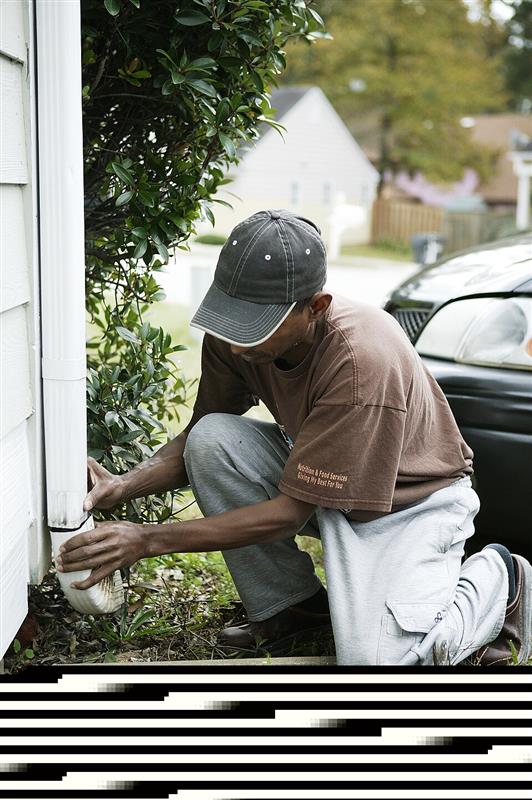
Water Damage Restoration
Professional water damage cleanup, water extraction, structural drying, and damage restoration for homes, apartments, and commercial properties in Marietta and Cobb County.
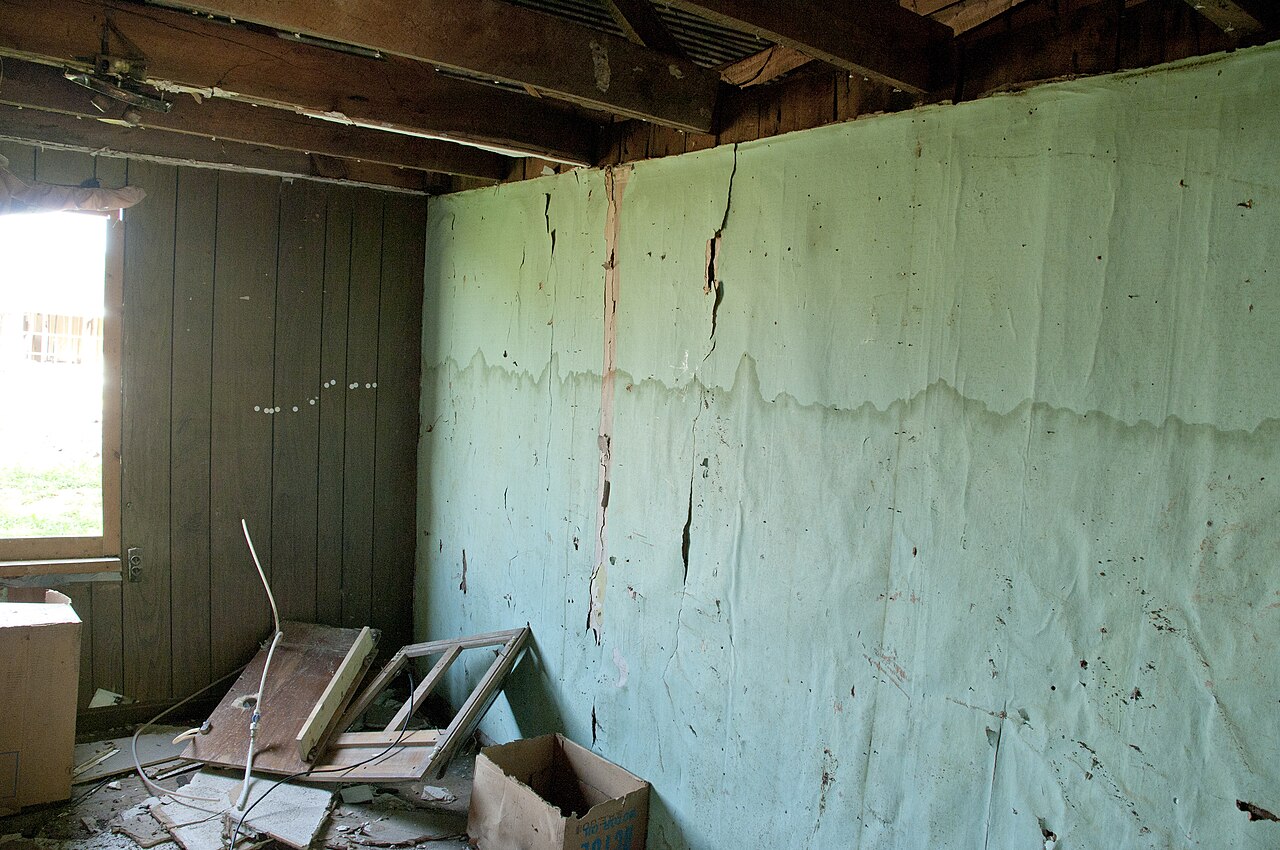
Burst & Leaking Pipe Repair
Water extraction, wall & ceiling moisture detection, structural drying, and water damage cleanup after burst or leaking pipes in Marietta.
Basement Flood Cleanup
Water extraction, slab dehumidification, finished basement drying, and moisture mitigation after heavy rain, sump pump failures, or plumbing bursts in Marietta.
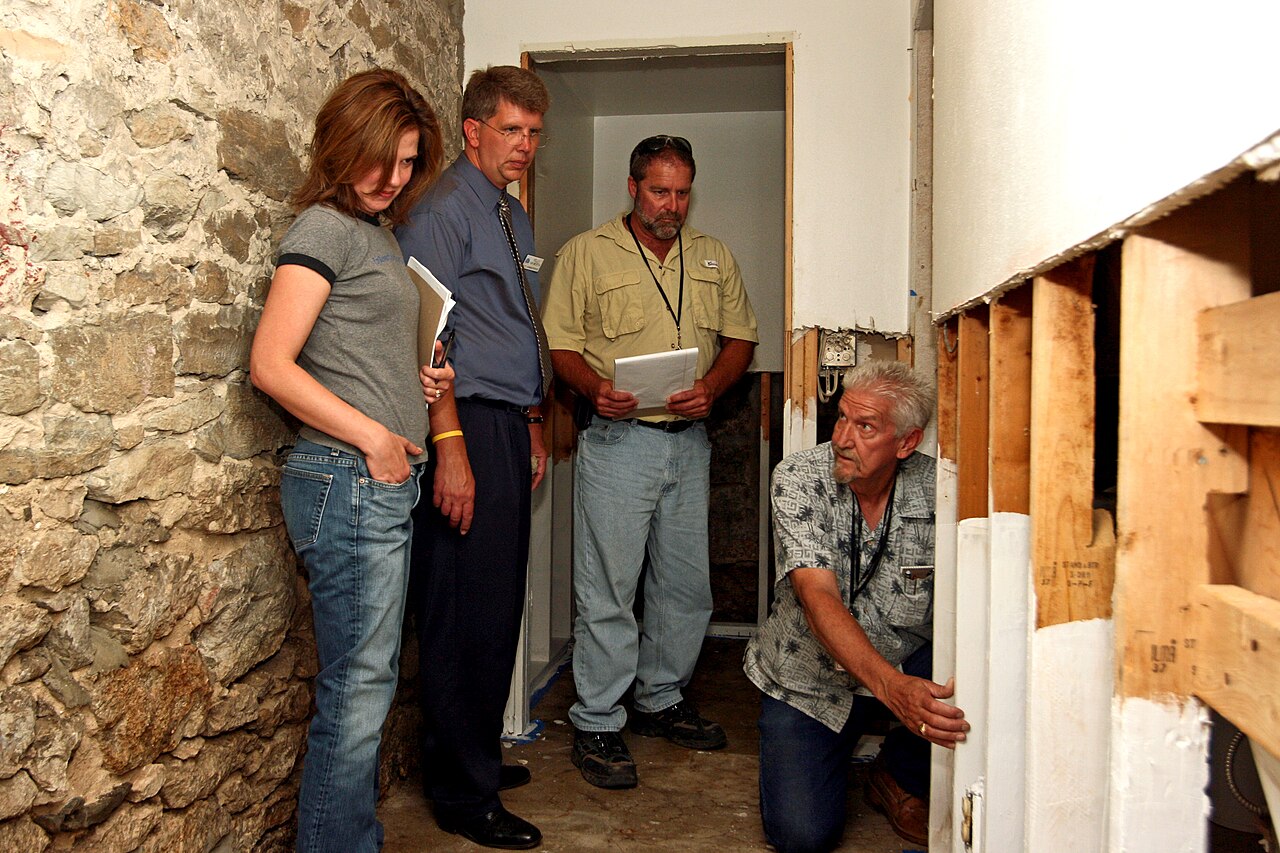
Mold Remediation & Removal
Professional mold containment, structural surface cleaning, HEPA air filtration, and underlying moisture remediation in Marietta and Cobb County.
Need Water Damage Restoration in Marietta?
Call now to discuss your water damage situation and the next steps.