What to Do If a Pipe Bursts in Marietta: Your First 30 Minutes
A burst pipe can flood your home in minutes. This step-by-step emergency guide for Marietta homeowners covers exactly what to do in the first 30 minutes — stop the water, make it safe, protect your belongings, and get help fast.
Quick Answer
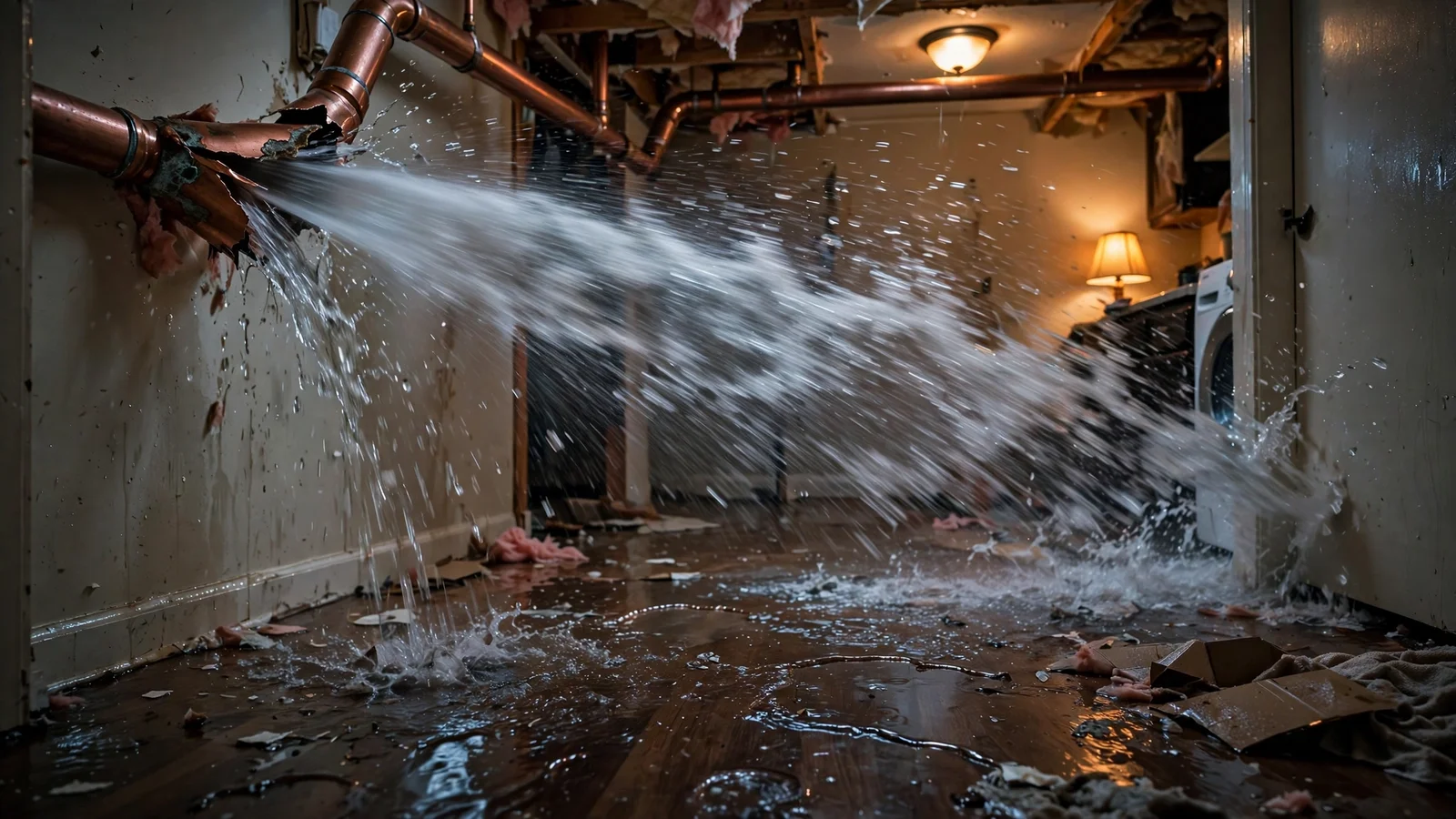
Wondering what to do if pipe bursts in your home? Shut off the main water valve, switch off electricity to the wet area, move valuables to dry ground, photograph everything, then call +1 (470) 804-0012 for emergency response. Acting fast decides whether this becomes a cleanup or a full renovation.
A burst pipe doesn't drip politely. A single broken supply line can pour out 5 to 10 gallons of water per minute — hundreds of gallons soaking into floors, walls, and belongings before you finish breakfast. In Marietta homes, where plumbing often runs through attics, crawlspaces, and slab foundations, that water travels fast and hides well.
If you want to know what to do if pipe bursts in your Marietta home, this guide gives you the exact playbook: the actions to take in the first 30 minutes, in the order that matters. Follow it, and you'll stop the worst of the damage while professional help is on the way.
Need help right now? Call +1 (470) 804-0012 for emergency response in the Marietta area.
Stop the Water
Nothing else matters until the water stops flowing. This is the single highest-leverage action of the entire emergency.
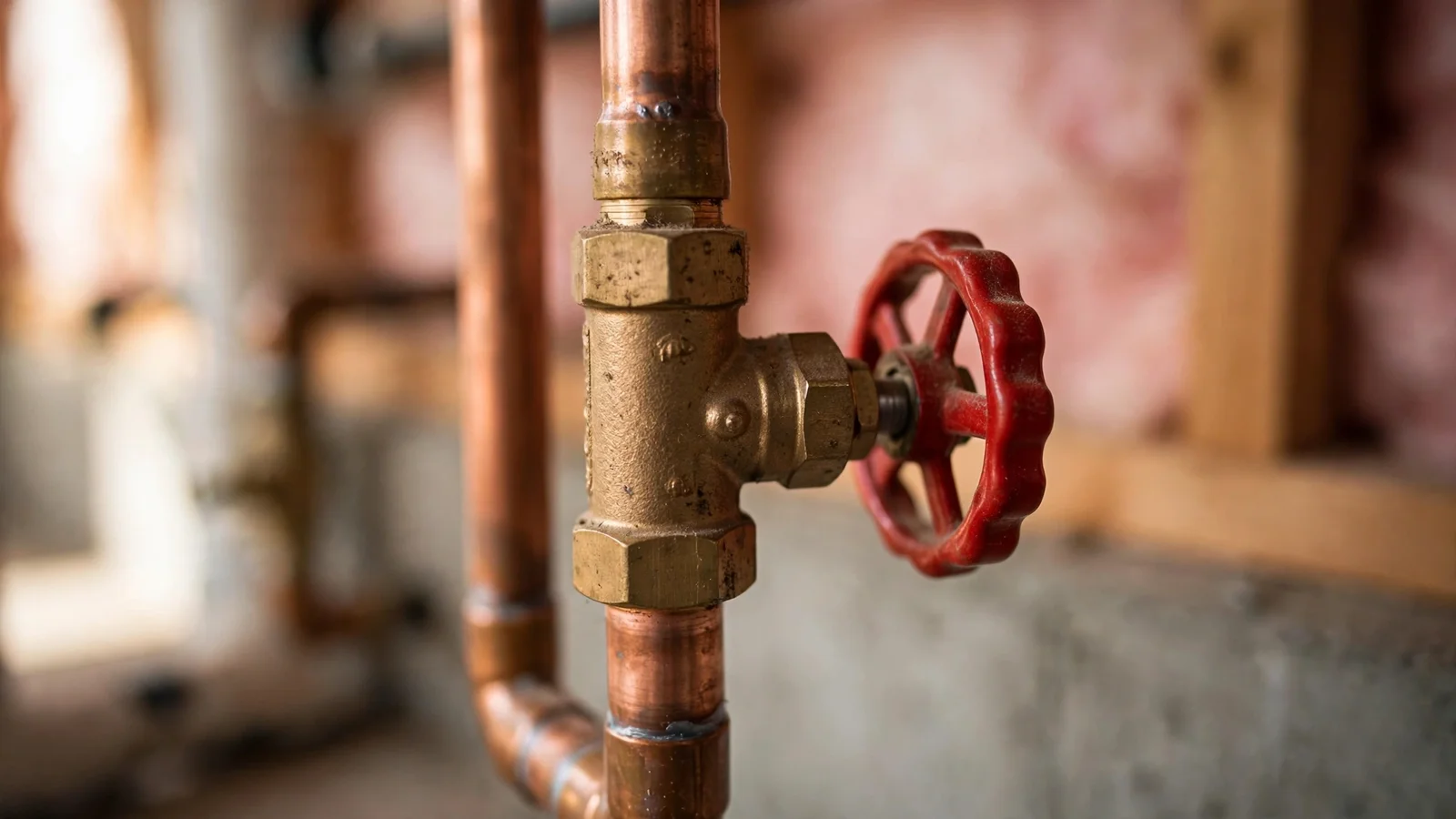
- 1.Go straight to your main water shut-off valve and turn it off. Don't look for the burst first, don't grab towels — stop the supply. In most Marietta homes the main valve is in one of three places: the ground box near the water meter at the street, on the garage wall facing the street, or inside a utility closet. Make sure every adult in the house knows where it is.
- 2.Open the lowest faucet in the house. With the main valve off, open a cold-water tap at the lowest level — a basement sink or ground-floor tub — and leave it open. This drains pressure from the lines and gives residual water somewhere to go instead of out the break.
If the burst is from an appliance line (washing machine, dishwasher, refrigerator ice maker), close that fixture's supply valve behind the unit too, if reachable safely.
Older gate-style valves in some Marietta homes seize up from years of disuse. If yours won't budge, don't force it — move on to damage control and call for help.
Make It Safe
Water and electricity are a dangerous combination, and a burst pipe often puts them together — especially in attics, basements, and garages.
- If water is near outlets, light fixtures, your breaker panel, or any appliance, switch off electricity to that area at the breaker box. Don't touch wall switches or cords in a wet room, and don't unplug anything standing in water.
- Don't walk through standing water until you're sure the power to that area is off. If the breaker panel itself is in a flooded space, call for professional help rather than entering.
- Keep kids and pets out of the affected rooms entirely.
Protect Your Belongings
With the water stopped and the area safe, you have a window to save what the water hasn't reached yet. Prioritize:
- Move furniture and valuables out of the water's path. Electronics, important documents, photo albums, and heirlooms go to a dry room — upstairs if possible.
- Lift what you can't move. Put furniture legs on blocks or foil; water wicks up into wood and upholstery in minutes — even an inch of clearance helps.
- Roll up area rugs and stand them on end in a dry spot. Rugs trap water against flooring and are far harder to salvage once fully soaked.
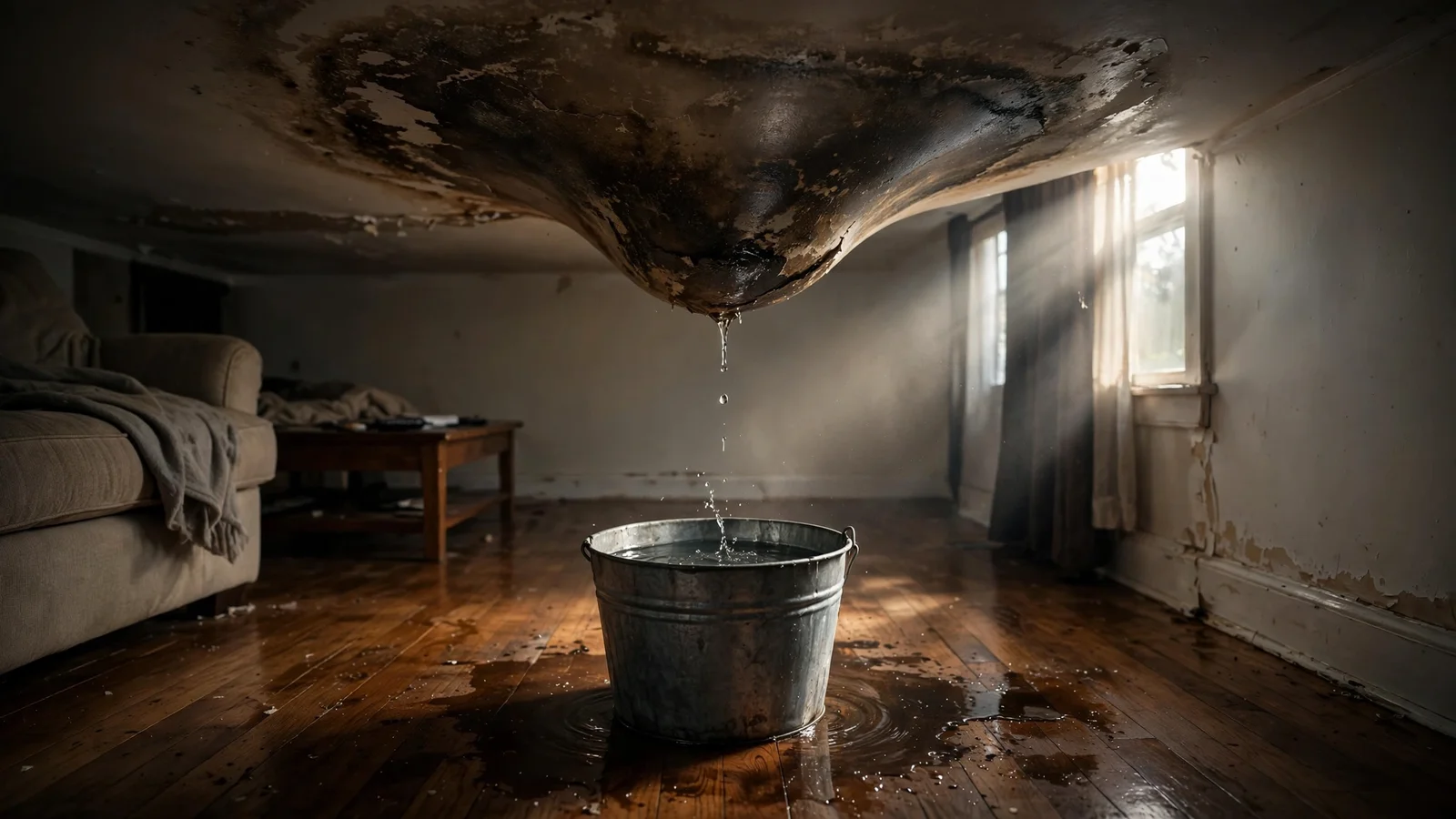
- Contain the spread. Line doorways with rolled-up towels, and set buckets under active drip points — especially water coming through a ceiling.
- Don't move anything dangerously heavy when it's wet. Waterlogged furniture and carpet weigh far more than they look. Protect yourself first.
Ceiling bulging? If water is pouring through a ceiling, poke a small hole in the sagging drywall with a screwdriver and place a bucket underneath — a controlled drain is much cheaper than a collapsed ceiling.
Document the Damage for Insurance
Before you start any real cleanup, record what happened. In Georgia, sudden and accidental pipe bursts are typically covered by homeowners insurance, but the claim lives or dies on documentation. (See our Georgia homeowners insurance guide for the full breakdown.)
- Photograph and video everything: the burst point, standing water, wet walls and ceilings, soaked belongings, and the shut-off valve position. Shoot wide angles and close-ups.
- Note the time you discovered the burst and shut the water off.
- List damaged items while it's fresh — brand names and approximate ages if you know them.
- Keep damaged items until your adjuster has seen them. Don't throw out soaked materials before they're documented.
Now Call for Emergency Help: +1 (470) 804-0012
You've stopped the water, made the area safe, protected your belongings, and documented the scene. Now get professional extraction started — water trapped inside walls, under flooring, and in crawlspaces doesn't dry on its own, and in Georgia's humidity mold can begin growing within 24–48 hours.
Call +1 (470) 804-0012 for emergency response in Marietta — fast extraction in the first hours is what separates a cleanup from a weeks-long restoration. (See our burst pipe repair service for what professional response covers.)
5 Mistakes Marietta Homeowners Make After a Burst Pipe
These are the errors that turn a bad day into a bad month.
1. Waiting to "see if it dries."
This is the costliest mistake. Drywall, subflooring, and insulation wick water inward and hold it. Surfaces that feel dry to the touch can hide soaked material behind them. If water got into a wall cavity, it isn't drying — it's festering.
2. Relying on household fans.
Box fans move air across surfaces; they don't extract water from inside walls, under flooring, or out of a crawlspace. Structural drying needs commercial extraction plus moisture mapping to confirm materials are actually dry — not just dry-looking.
3. Mopping without extracting.
Mopping removes surface water and leaves everything underneath untouched. In homes with crawlspaces — extremely common across Cobb County — burst water often drains down through the floor and pools under the house, out of sight, feeding mold and wood rot for weeks.
4. Ignoring the crawlspace.
After any significant indoor flood, the crawlspace needs checking. Standing water under your home damages floor joists and insulation, and the damp air feeds straight up into your living space.
5. Patching the pipe while the emergency is still unfolding.
Don't spend your first 30 minutes hunting for pipe repair clamps. Stop the supply, protect the house, get professional help coming. Temporary patches applied in a panic often fail — and the second flood is usually worse.
What Happens After the First 30 Minutes
Once the immediate crisis is handled, professional restoration follows a predictable process:
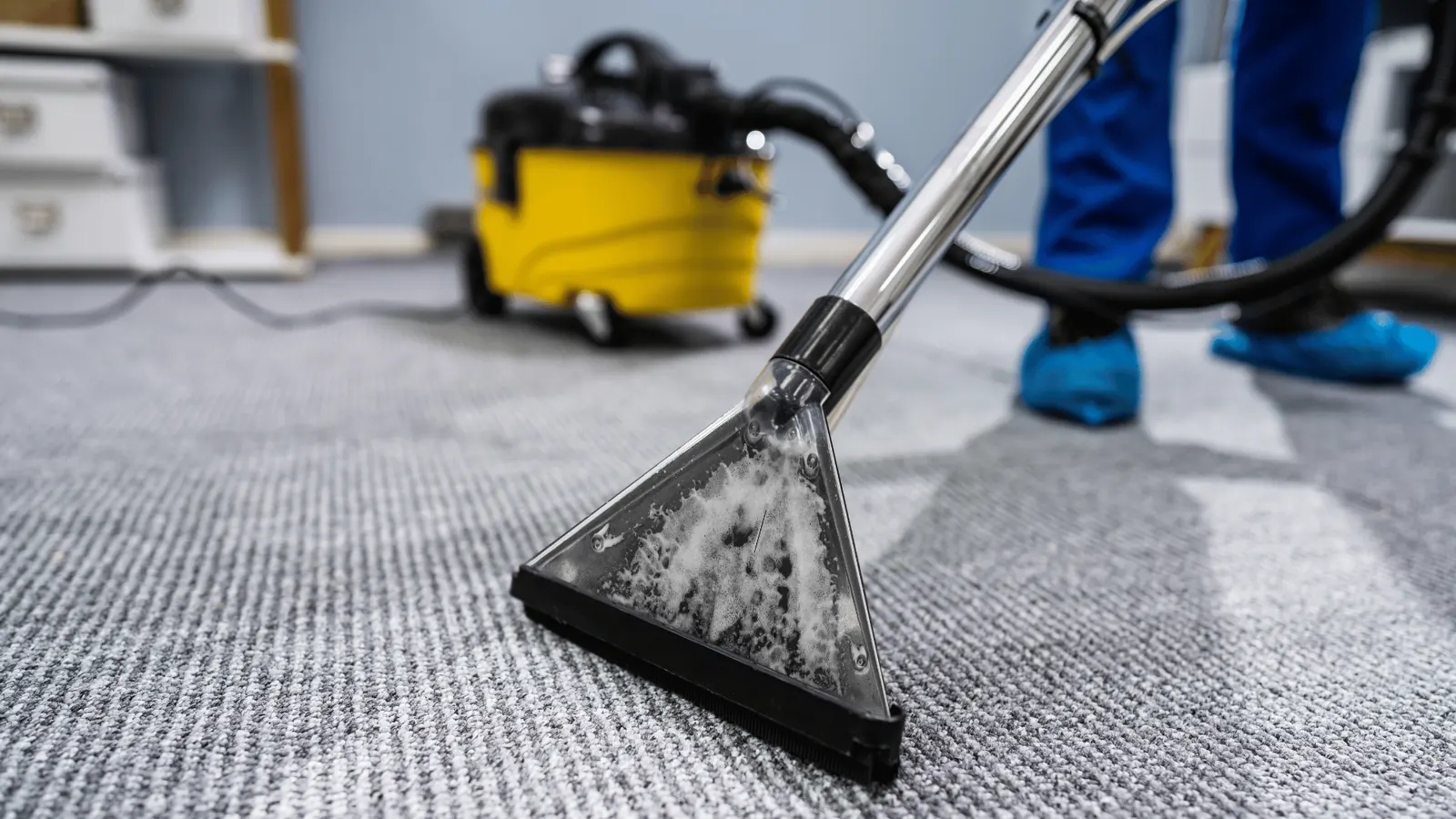
- Water extraction. Standing water is removed with commercial pumps and extractors — not mops.
- Moisture mapping. Technicians measure moisture inside walls, floors, and cavities to find water you can't see.
- Drying and dehumidification. Industrial air movers and dehumidifiers bring materials back to target moisture levels over several days.
- Sanitizing and repair. Affected materials are treated; anything unsalvageable is removed and replaced.
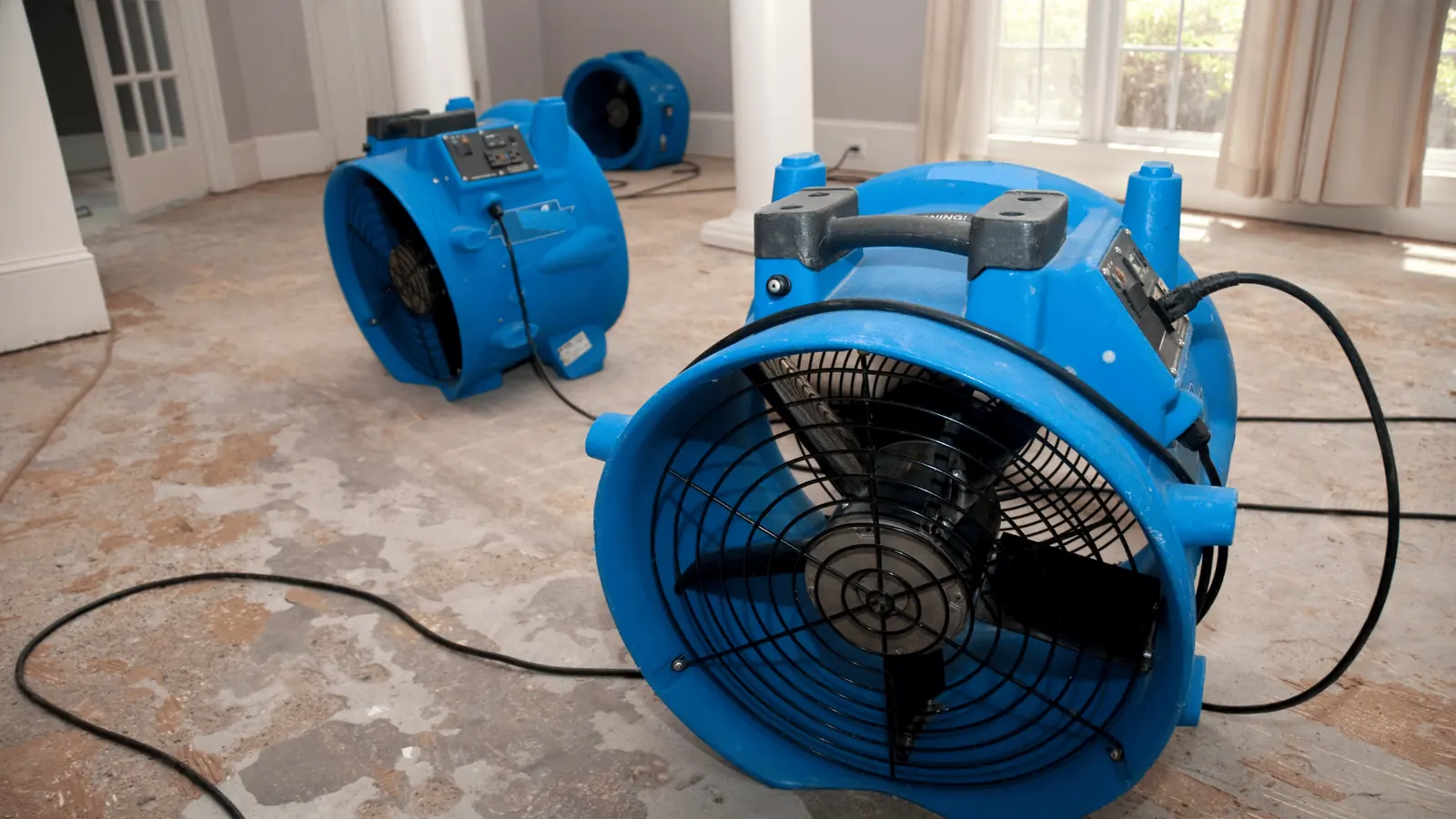
One more thing: burst-pipe water starts as clean water, but it doesn't stay that way. Once it flows through insulation, subflooring, and crawlspaces, it picks up contaminants — which is why fast cleanup matters. Our guide to water damage categories and classes explains how professionals classify what they're dealing with, and the restoration process guide walks through each phase in detail.
Why Burst Pipes Happen in Marietta Homes
Understanding the cause helps you prevent a repeat. The usual suspects in the Marietta area:
- Winter cold snaps. Georgia's freezes are brief but sharp, and many homes have plumbing in unconditioned attics and crawlspaces. A single night in the teens can crack an exposed line.
- Aging pipes. Much of Marietta's housing stock dates to the 1960s–1980s. Decades of water flow corrode pipes from the inside; the failure often arrives without warning.
- High water pressure. Pressure above 80 PSI stresses joints, valves, and appliance supply lines.
- Shifting and settling. Slab foundations move subtly with Georgia's clay soils, stressing the pipes embedded in or beneath them.
Preventing the Next Burst
After the emergency is behind you, a few habits dramatically lower the odds of a repeat:
- 1.Know your main shut-off and test it yearly — and make sure every adult in the house knows where it is.
- 2.Insulate exposed pipes in attics, crawlspaces, and garages before winter.
- 3.Replace rubber washing-machine hoses with braided stainless steel supply lines — rubber hoses are one of the most common burst points in any home.
- 4.Keep the heat at 55°F or above when you're away in winter, and open cabinet doors under sinks on exterior walls during cold snaps.
For the complete prevention playbook, see how to prevent water damage in Marietta homes.
Frequently Asked Questions About Burst Pipes
How much water can a burst pipe release?
A broken half-inch supply line can release 5 to 10 gallons per minute — 300 to 600 gallons in an hour. That's why shutting off the main valve is always step one.
Should I try to repair the burst pipe myself?
Focus on stopping the water and limiting damage first. Emergency pipe clamps can work as temporary fixes on accessible pipes, but they belong after the crisis is controlled — not during it. Have the permanent repair done professionally; a failed DIY patch causes a second, worse flood.
Is burst pipe damage covered by homeowners insurance in Georgia?
Sudden, accidental bursts are typically covered under standard Georgia homeowners policies — the resulting water damage, that is; the pipe repair itself often isn't. Damage from long-term leaks or neglected maintenance is usually excluded. Document everything and contact your insurer promptly. See our Georgia homeowners insurance guide for the full breakdown.
How fast does mold grow after a burst pipe?
In Georgia's humidity, mold can begin growing on wet drywall, wood, and fabrics within 24–48 hours — which is why rapid extraction and verified structural drying matter most.
Water is coming through my ceiling — what do I do?
Shut off the main valve, switch off electricity to that room at the breaker, and place a bucket under the drip. If the ceiling is sagging, poke a small drain hole in the lowest point of the bulge — a controlled drain is far cheaper than a collapsed ceiling.
Who do I call for a burst pipe emergency in Marietta?
Call +1 (470) 804-0012 for emergency response in the Marietta area. Fast professional water extraction in the first hours prevents the secondary damage — warped floors, swollen drywall, and mold — that turns a burst pipe into a weeks-long restoration.
Data Sources & Standards Referenced
Pipe burst and water spreading? Don't wait — call +1 (470) 804-0012 for emergency response in Marietta.
Related Guides
Marietta Service Hubs
Water damage restoration services are available across Cobb County municipalities:
Complementary Restoration Services
Explore additional specialized water damage, sewage, pipe repair, and flood cleanup services in Marietta.
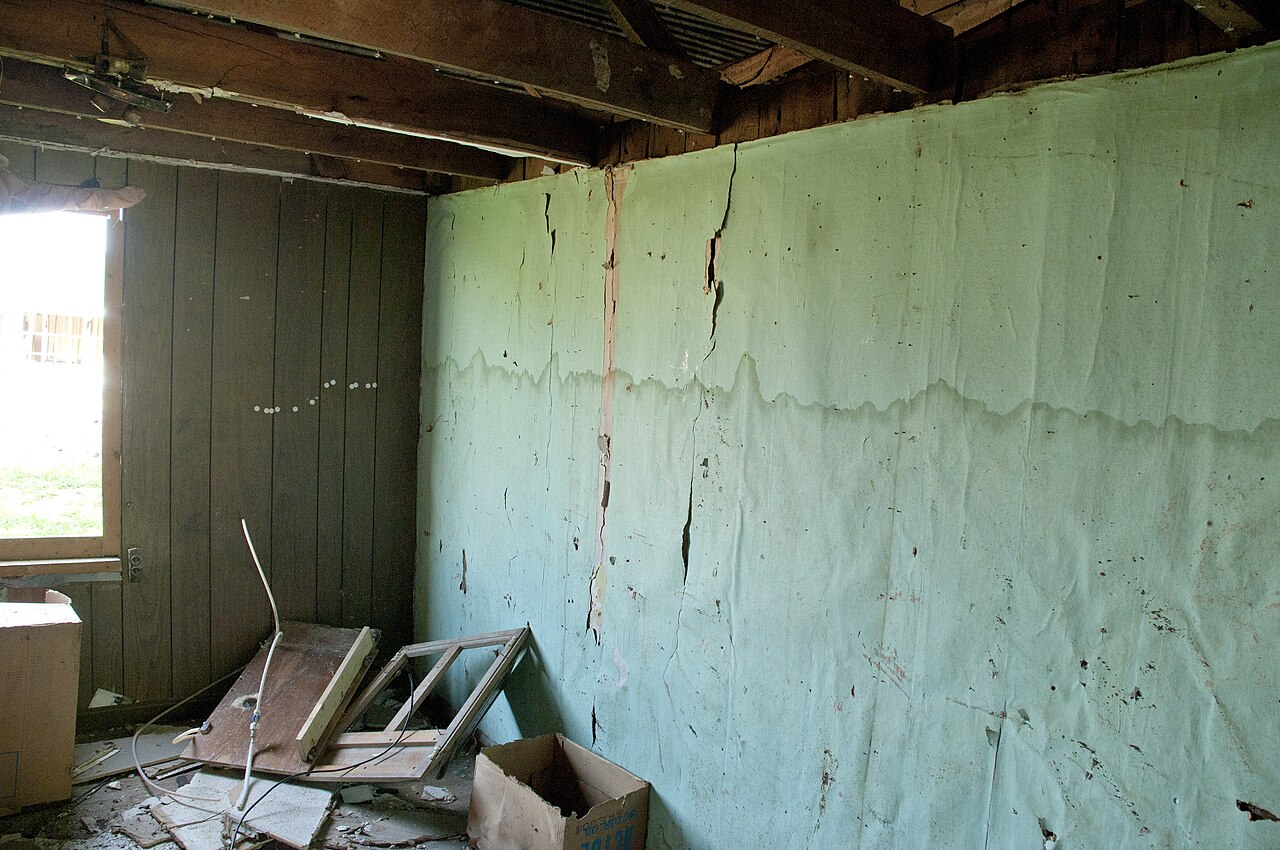
Burst & Leaking Pipe Repair
Water extraction, wall & ceiling moisture detection, structural drying, and water damage cleanup after burst or leaking pipes in Marietta.
Water Damage Restoration
Professional water damage cleanup, water extraction, structural drying, and damage restoration for homes, apartments, and commercial properties in Marietta and Cobb County.
Basement Water Removal
Standing-water removal and extraction, slab dehumidification, finished basement drying, and moisture remediation after heavy rain, sump pump failures, or plumbing bursts in Marietta.
Need Water Damage Restoration in Marietta?
Call now to discuss your water damage situation and the next steps.