Frozen Pipes in Marietta, GA: How to Prevent Them & What to Do If They Burst
Georgia cold snaps freeze pipes in Marietta homes every winter — especially in attics, crawlspaces, and exterior walls. Learn how to prevent frozen pipes, how to thaw them safely, and exactly what to do if one bursts.
Quick Answer
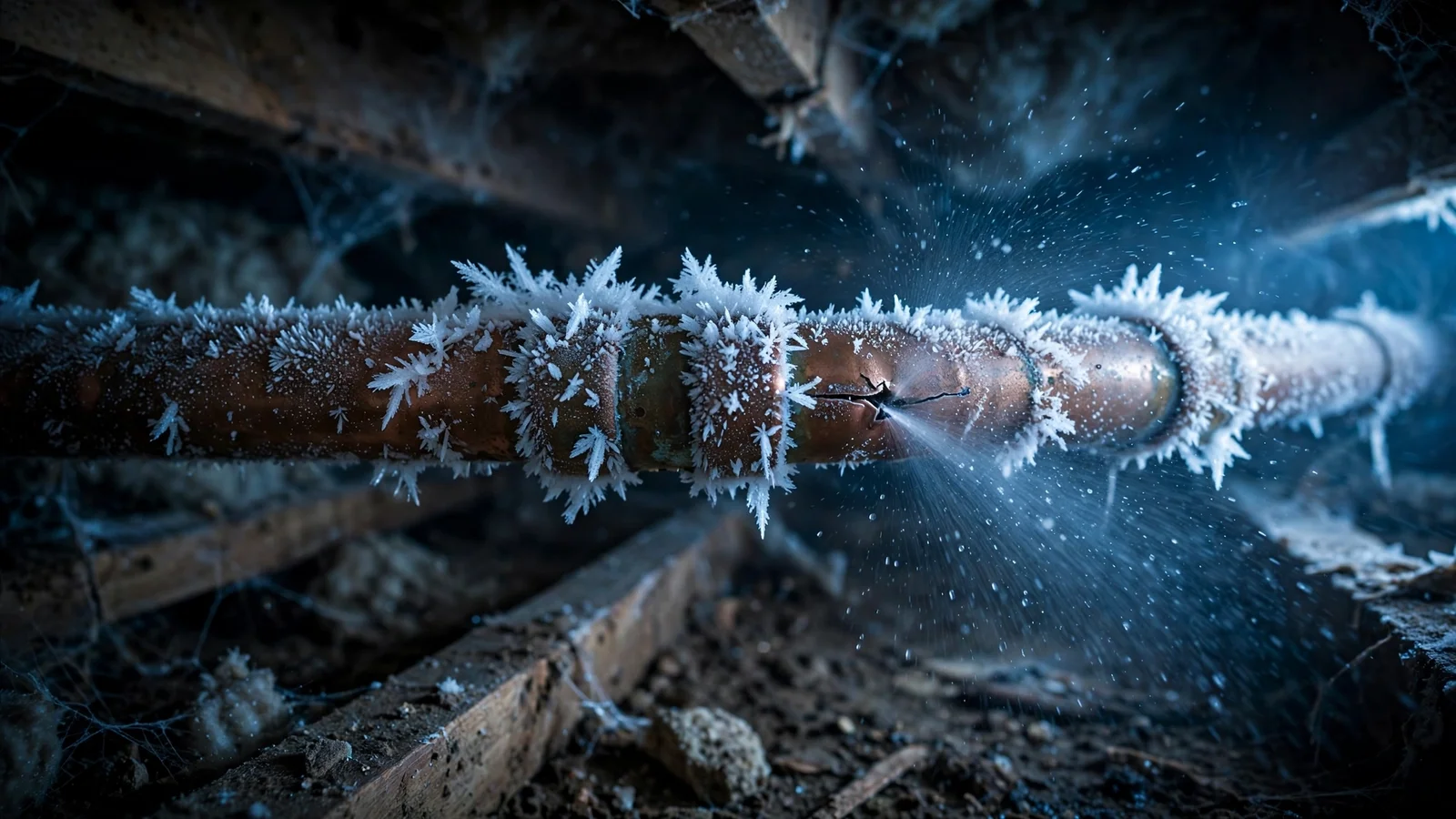
If your pipes freeze in Marietta, shut off your home's main water valve first, then thaw the frozen section gently with a hair dryer — never an open flame. If a pipe has already burst, shut off the water, move valuables out of the way, and call for emergency help right away at +1 (470) 804-0012.
Every winter, a hard Georgia cold snap sends temperatures into the teens, and Marietta homeowners wake up to the same nightmare: no water from the tap, a strange hissing inside a wall — or water pouring through a ceiling. Frozen pipes are one of the most common causes of sudden residential water damage in Cobb County, and a single burst pipe can release hundreds of gallons into your home in hours.
The good news: most freeze damage is preventable, and if you act fast when it happens, you can limit the destruction dramatically. This guide covers why Marietta homes are vulnerable, how to protect your pipes before the freeze, how to thaw a frozen pipe safely, and exactly what to do in the first minutes after a burst.
Why Marietta Homes Are Vulnerable to Frozen Pipes
Georgia's climate creates a false sense of security. Because deep freezes are infrequent, many homes in the Marietta area were built with plumbing routed through unconditioned spaces — and those are precisely the pipes that freeze first:
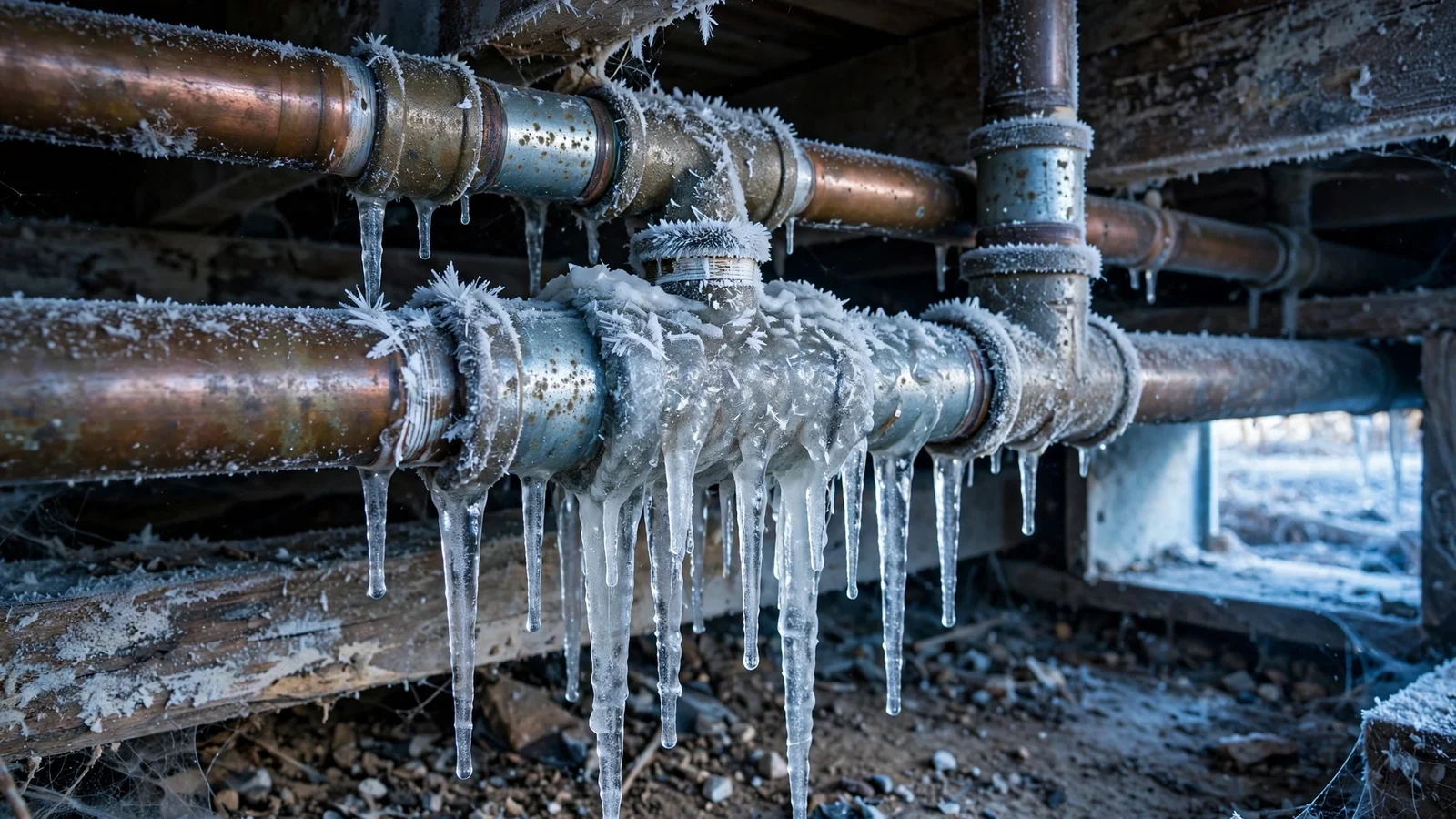
- 1.Attic runs: In many single-story ranch homes common across Marietta, water lines run through the attic. Attics track outdoor temperatures closely on the coldest nights.
- 2.Crawlspaces: Elevated homes and older properties often have exposed pipes under the floor. Cold air whistling through foundation vents can freeze a crawlspace line in a single night.
- 3.Exterior walls: Kitchen and bathroom pipes tucked into outside-facing walls have almost no insulation buffer when temperatures drop into the teens.
- 4.Garages and hose bibs: Outdoor spigots and laundry lines in unheated garages are classic freeze points.
It doesn't take a blizzard. Pipes can begin freezing when temperatures hold at or below 20°F for several hours — something North Georgia sees most winters, sometimes for multiple nights in a row. Wind chill against an exposed wall makes it worse.
How to Prevent Frozen Pipes Before the Cold Hits
Do this work in the fall, before the first freeze warning. Every item takes minutes and costs little:
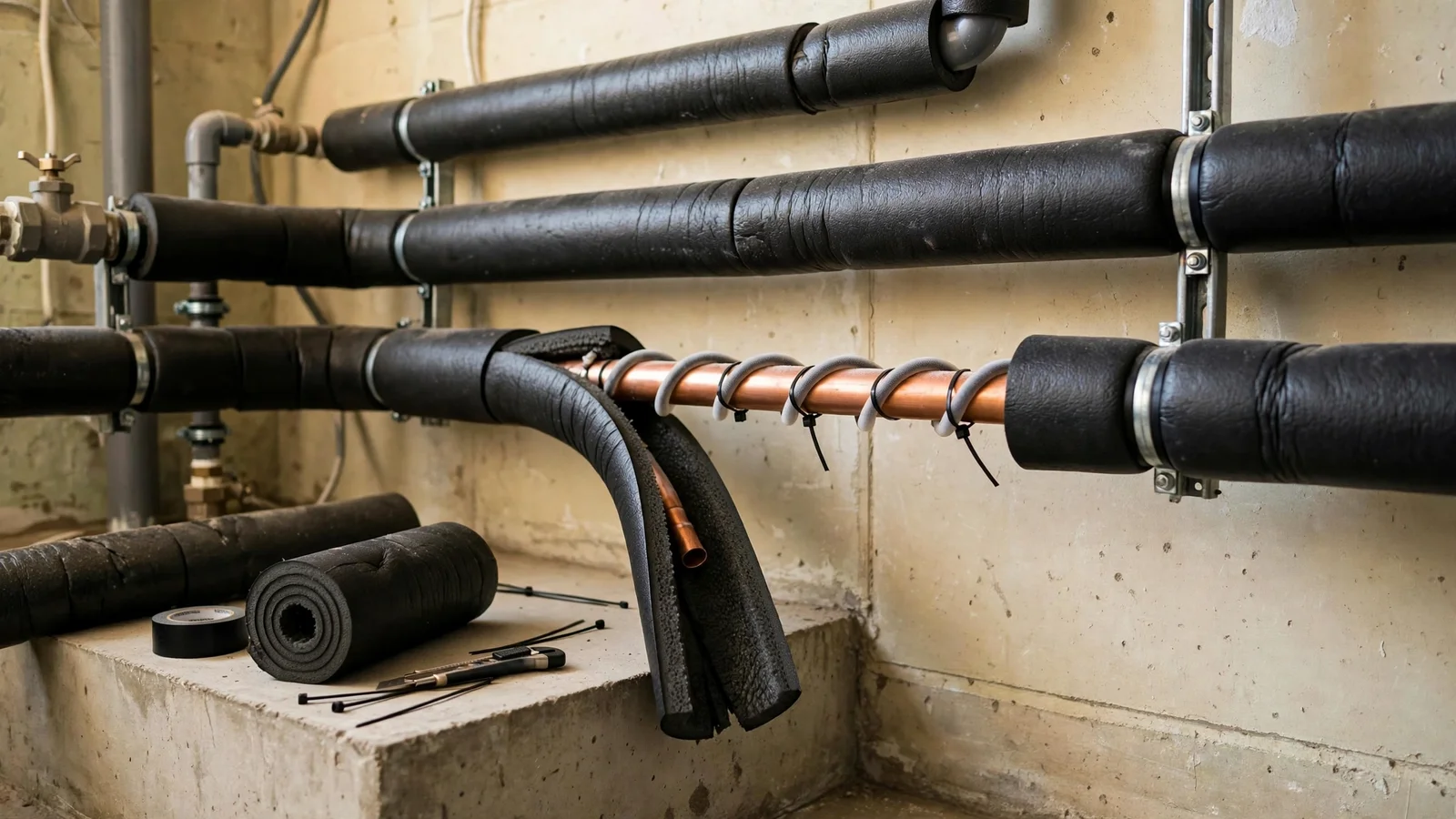
- 1.Insulate exposed pipes: Slip foam pipe sleeves over any visible lines in attics, crawlspaces, garages, and basements. Pay special attention to elbows and joints.
- 2.Seal the cold out: Caulk gaps where pipes enter through exterior walls, and close or cover crawlspace foundation vents during cold snaps.
- 3.Let faucets drip: When temperatures drop below freezing overnight, let both hot and cold taps drip slightly — moving water is far harder to freeze. Focus on faucets served by exterior-wall pipes.
- 4.Keep the heat on: Never set the thermostat below 55°F, even if you're away for the weekend. Open cabinet doors under sinks on exterior walls so warm air reaches the pipes.
- 5.Disconnect outdoor hoses: Remove garden hoses from spigots and shut off exterior water lines if your home has a separate valve. A connected hose traps water in the spigot, which then freezes and cracks the pipe inside the wall.
- 6.Know your main shut-off valve — today: In most Marietta homes it's near the water meter, in the garage, or in a utility closet. Make sure every adult in the house knows where it is and that the valve actually turns. A stuck valve discovered during a burst is a disaster.
If you're leaving town during winter, don't just lower the heat — have someone check the house, or shut off the main valve and drain the lines if you'll be gone for an extended stretch.
What to Do If Your Pipes Freeze
A frozen pipe announces itself: a faucet that produces nothing (or a weak trickle) while others work fine, frost visible on an exposed pipe, or an odd smell from a drain (ice blocking the vent). Act in this order:
- 1.Shut off the main water valve. Do this first. If the pipe has cracked, pressure returning when it thaws will flood the area.
- 2.Open the affected faucet. Leave it open a crack — this relieves pressure and gives melting water somewhere to go.
- 3.Find the frozen section. Start at the faucet and work back toward the colder areas (exterior walls, unheated spaces). Frost or a noticeably colder section of pipe marks the spot.
- 4.Thaw gently. Use a hair dryer on medium heat, a heating pad wrapped around the pipe, or warm towels. Work from the faucet end back toward the blockage so melting water can escape.
- 5.Never use an open flame. No blowtorches, no propane heaters, no kerosene. Open flames near framing, insulation, and dust are a fire risk — and intense heat can burst the pipe.
- 6.Check for cracks before restoring pressure. Once water flows, inspect the thawed section and nearby joints for drips or spraying. Then slowly reopen the main valve and watch for leaks for several minutes.
If you can't locate the freeze, if multiple fixtures are affected, or if you find any sign of a crack — stop and get professional help rather than risking a hidden leak inside a wall.
If a Pipe Bursts: Your First 30 Minutes
A burst pipe is a race against the clock: shut off the main water valve immediately, kill power to wet areas, and move valuables out of the water's path. Every minute of flow adds gallons — and trapped moisture starts growing mold within 24–48 hours.
For the complete minute-by-minute response — documenting damage for insurance, what not to touch, and when to call for extraction — see our dedicated first 30 minutes emergency guide.
What Professional Drying Does After a Burst
Once the immediate crisis is under control, stopping the visible water is only half the job. Moisture hides inside wall cavities, under flooring, and in insulation — and it's this hidden moisture that causes the expensive secondary damage:
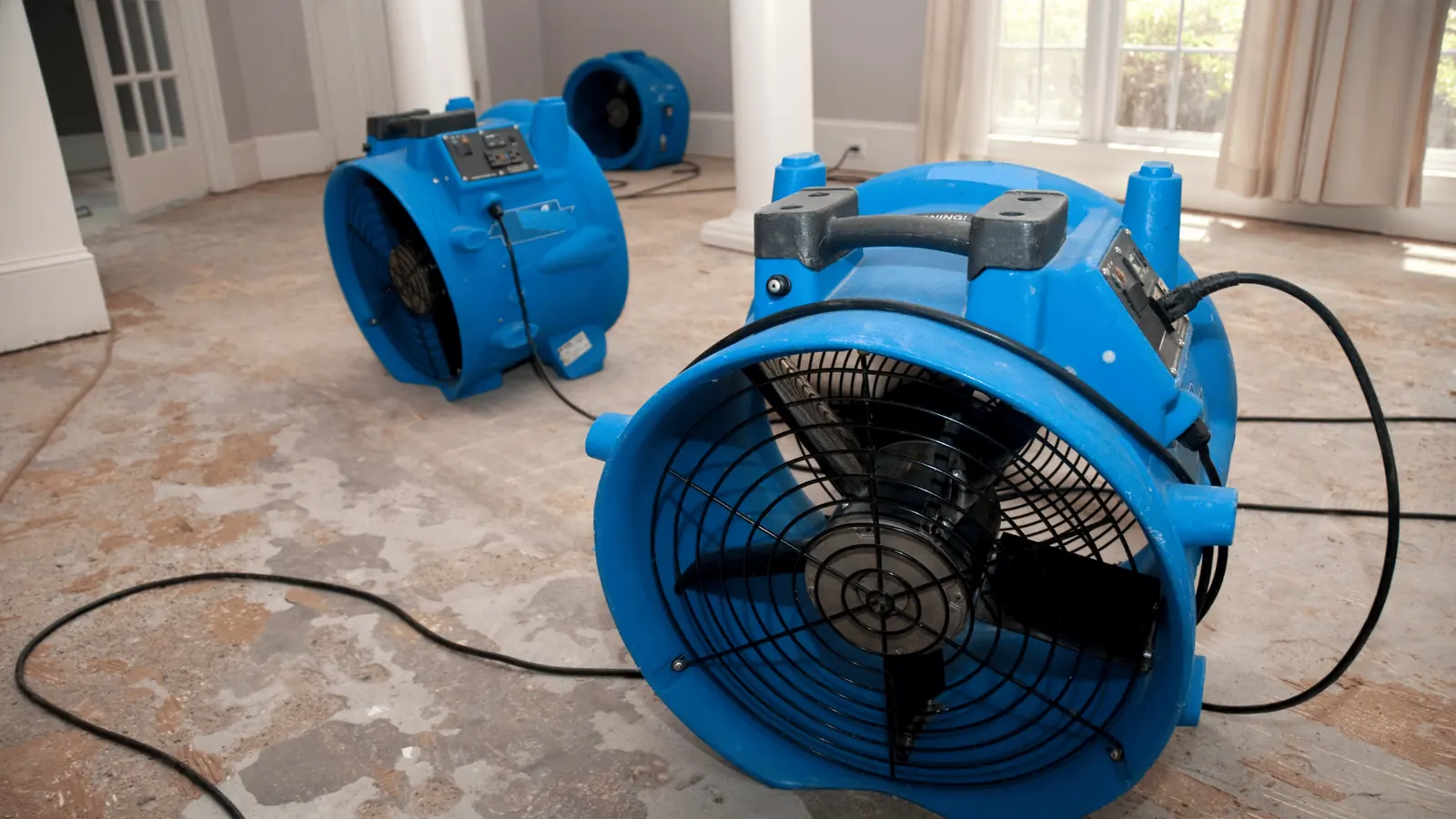
- Moisture mapping with thermal cameras and pin meters to find water you can't see.
- Structural drying with commercial air movers and dehumidifiers until materials reach dry standards.
- Antimicrobial treatment of affected surfaces to inhibit mold growth in Georgia's humidity.
- Documentation — drying logs and photos that support your insurance claim.
Frequently Asked Questions About Frozen Pipes
At what temperature do pipes freeze in Georgia?
Pipes can start freezing when temperatures stay at or below 20°F for several hours. In Marietta, the danger zone is usually overnight lows in the teens, especially with wind. Uninsulated pipes in attics and crawlspaces are at risk first.
Should I drip hot or cold faucets — or both?
Both, slightly. Dripping keeps water moving through both the hot and cold lines. A thin pencil-lead stream is enough — you don't need a full flow.
Where is the main water shut-off valve in a typical Marietta home?
Common locations: near the water meter at the street (in a ground box), inside the garage on the wall facing the street, or in a utility closet. If you can't find yours, check your home inspection report or ask your water provider — and test that it turns before you need it.
Will homeowners insurance cover burst pipe damage?
In most cases, yes — sudden and accidental water damage from a burst pipe is typically covered under standard Georgia homeowners policies, though the pipe repair itself may not be. Damage from long-term leaks or neglected maintenance is usually excluded. Document everything and contact your insurer promptly. See our Georgia homeowners insurance guide for the full breakdown.
Can I thaw a frozen pipe myself, or should I call someone?
A single accessible frozen pipe (like one under a sink) is usually safe to thaw yourself with a hair dryer. Call for help if the freeze is inside a wall, multiple fixtures are affected, you suspect a crack, or you can't find the frozen section — hidden leaks cause the worst damage.
How fast does mold grow after a burst pipe?
Mold can begin growing on wet drywall, wood, and fabrics within 24–48 hours in Georgia's humidity. This is why rapid water extraction and structural drying matter more than anything else after a burst.
Data Sources & Standards Referenced
Facing a burst pipe or major leak right now? Don't wait for the damage to spread — call +1 (470) 804-0012 for emergency response in the Marietta area.
Related Guides
Marietta Service Hubs
Water damage restoration services are available across Cobb County municipalities:
Complementary Restoration Services
Explore additional specialized water damage, sewage, pipe repair, and flood cleanup services in Marietta.
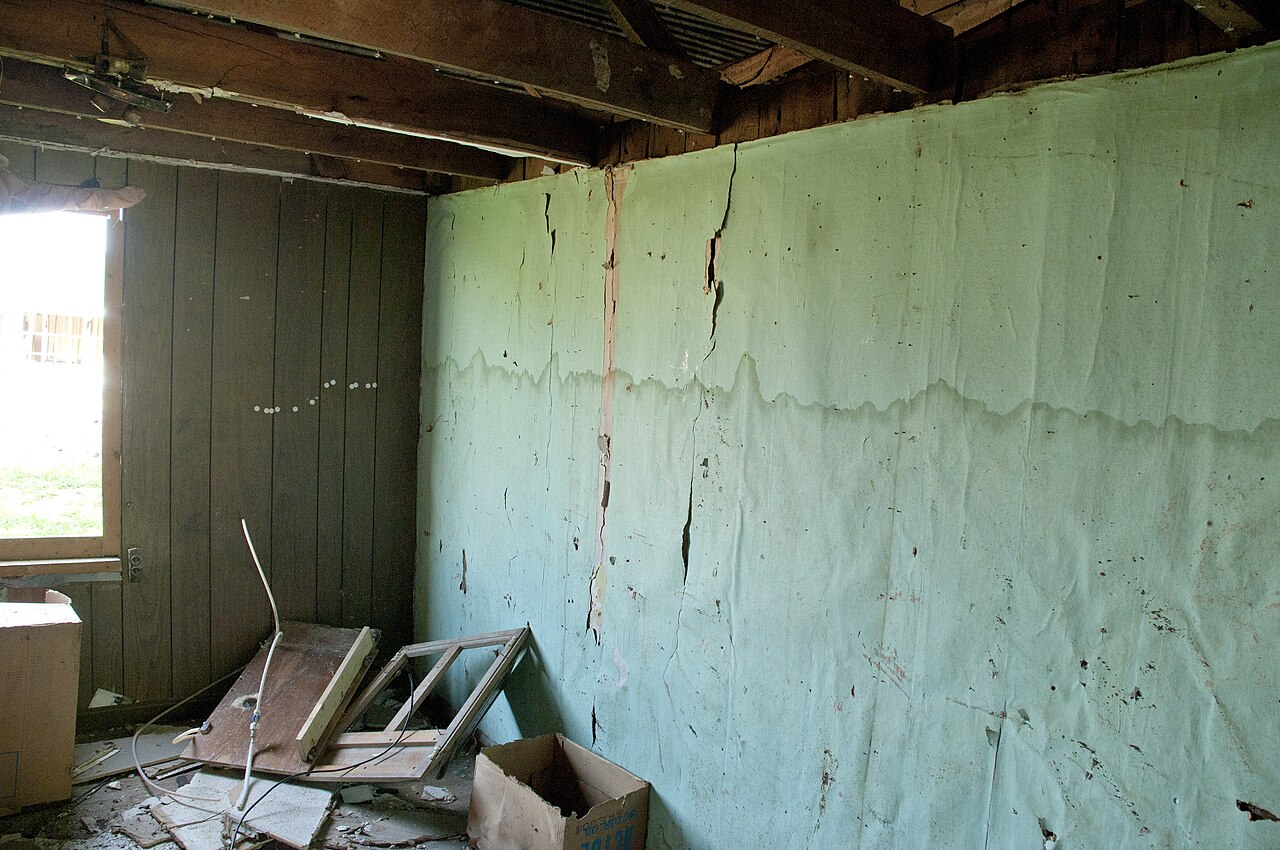
Burst & Leaking Pipe Repair
Water extraction, wall & ceiling moisture detection, structural drying, and water damage cleanup after burst or leaking pipes in Marietta.
Water Damage Restoration
Professional water damage cleanup, water extraction, structural drying, and damage restoration for homes, apartments, and commercial properties in Marietta and Cobb County.
Basement Water Removal
Standing-water removal and extraction, slab dehumidification, finished basement drying, and moisture remediation after heavy rain, sump pump failures, or plumbing bursts in Marietta.
Need Water Damage Restoration in Marietta?
Call now to discuss your water damage situation and the next steps.