Slab Leak Signs in Marietta: Warm Floors, Running Water Sounds, and What Comes Next
A slab leak hides under your foundation, so the clues are indirect: warm spots on the floor, the sound of running water in a quiet house, damp flooring, and a meter that never rests. Learn the signs and how pros locate a leak under concrete without tearing up the floor.
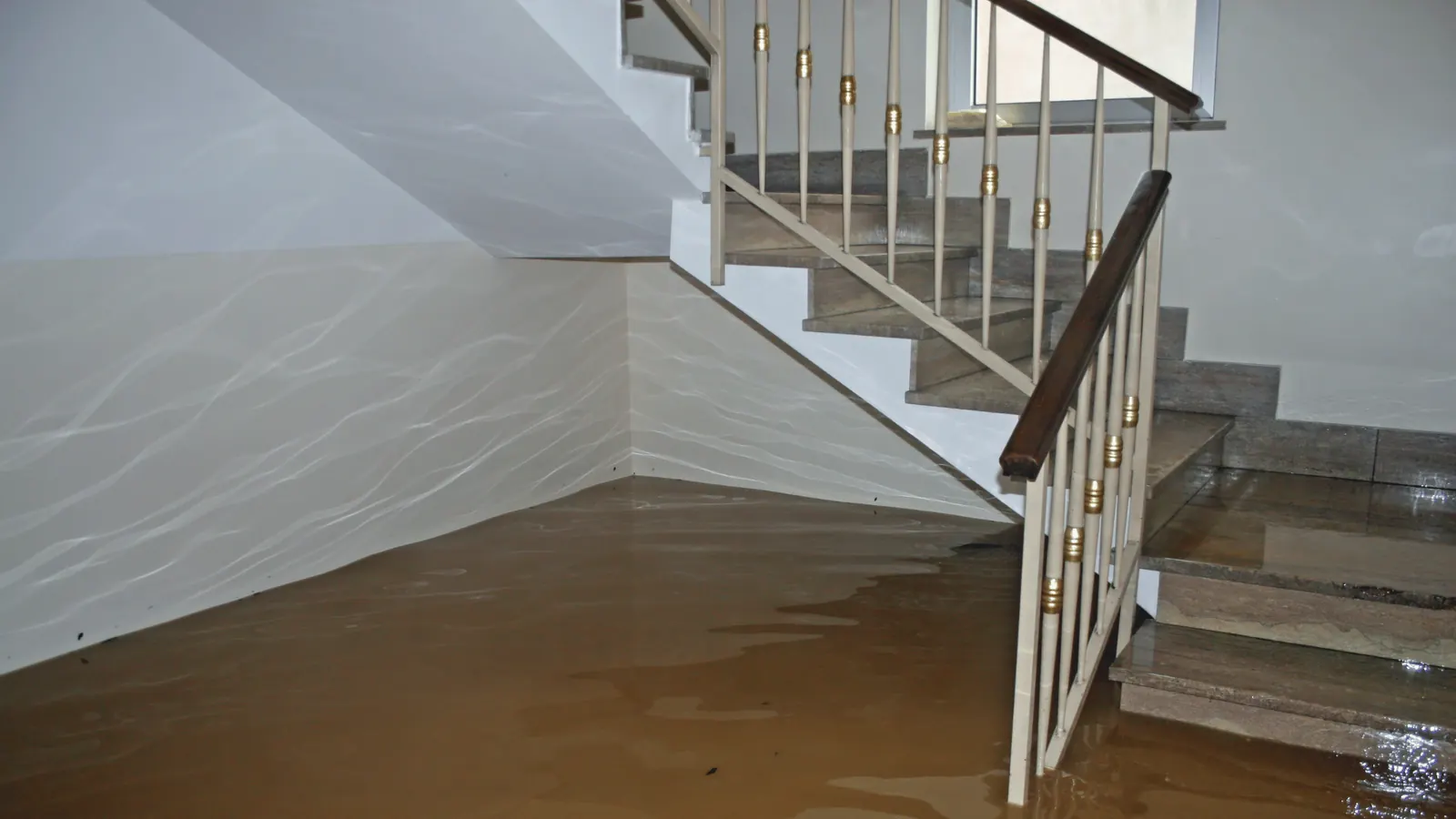
Quick Answer
A slab leak hides under your foundation, so the clues are indirect: a warm spot on the floor, the sound of running water when nothing is on, damp flooring edges, and a water meter that keeps moving. Pros locate the leak with listening equipment and thermal imaging before any floor is opened — diagnosis first, demolition last.
A large share of Marietta's homes — ranches across East Cobb, subdivisions in West Cobb, much of the housing built from the 1970s onward — sit on concrete slab foundations with water lines running underneath. That design keeps pipes out of sight and protected, until one of them starts leaking. Then the same design hides the problem completely: no drip to see, no puddle to find, just water escaping under pressure into the ground beneath your house, day and night.
Because you cannot see a slab leak, you have to learn to read its signs. This guide covers the clues homeowners actually notice, why Georgia's clay soil makes the stakes higher, and how professionals pinpoint a leak under concrete without turning the floor into a excavation project.
Slab Leak Signs Marietta Homeowners Notice First
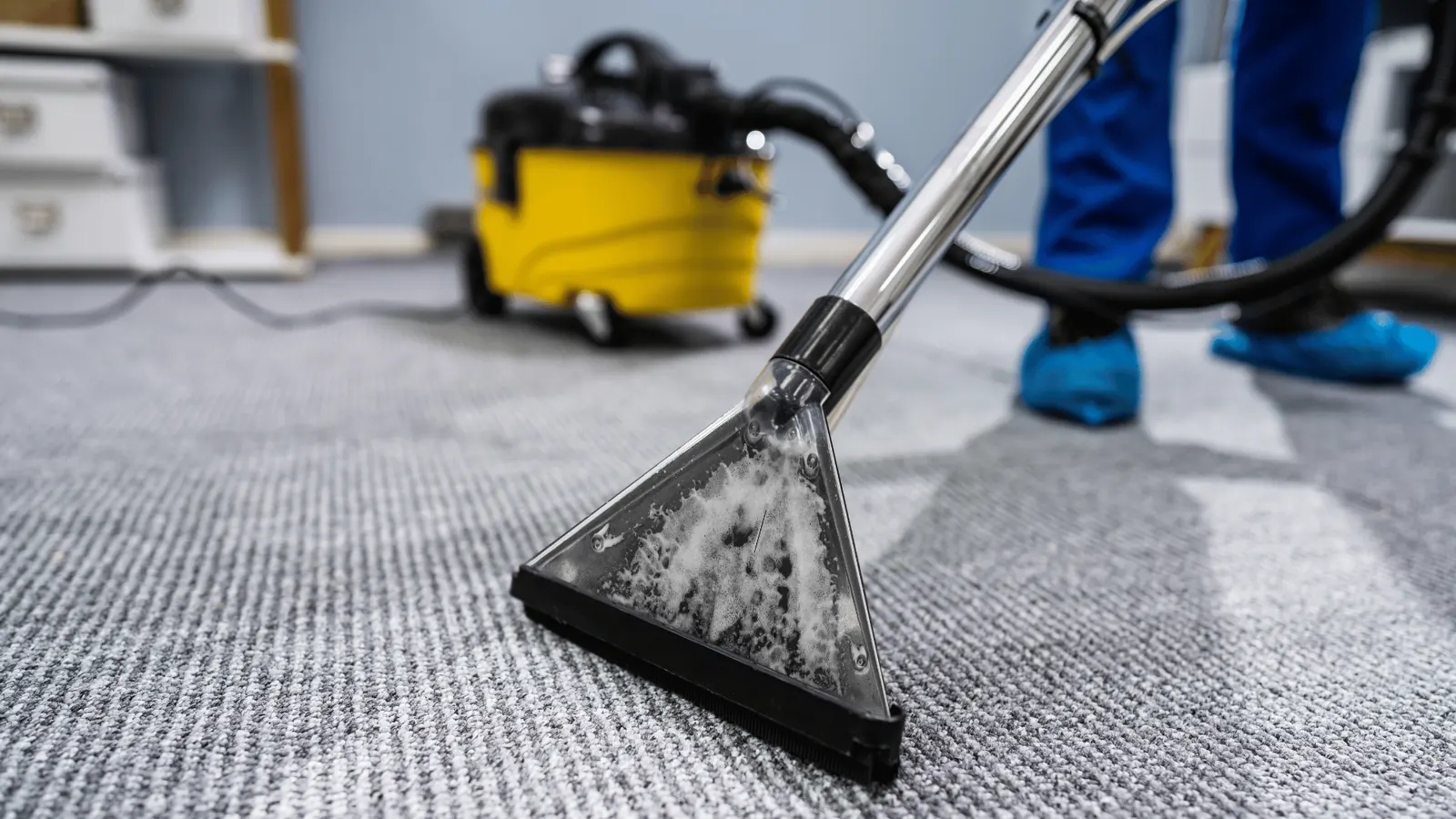
- 1.A warm or hot spot on the floor. The classic sign of a hot-water line leaking below. One patch of tile or laminate feels warm underfoot while the surrounding floor does not.
- 2.The sound of running water in a quiet house. A faint hiss or rushing sound near a wall or floor when no faucet, toilet, or appliance is running means water is moving through a line it should not be moving through.
- 3.A meter that never rests. With every fixture off, the meter's leak indicator still creeps. The guide on reading your water bill and meter for a hidden leak walks through the full test.
- 4.Damp flooring and foundation moisture. Carpet that feels damp in one area, laminate edges swelling, moisture or mildew smell at the base of walls, or wet soil against the foundation on a dry week all suggest water collecting where it should not.
- 5.Low water pressure or a water heater that never rests. A leaking hot line makes the water heater cycle far more often to replace escaping hot water, and a significant leak can drop pressure at fixtures.
- 6.New cracks and sticking doors. Later-stage signs. Escaping water erodes the soil supporting the slab, sections settle, and the house tells you with cracked tile, drywall cracks, and doors that suddenly rub their frames.
Why Slab Leaks Deserve Prompt Attention in Cobb County
Georgia red clay is a difficult partner for a leaking slab. Dry clay shrinks and pulls away; saturated clay swells and turns soft. A pressurized leak under a slab keeps one zone permanently saturated, washing fine soil particles away from under the concrete while the clay around it heaves and settles with the weather. Over a season, that undermines the slab's support in exactly the spot that is getting wettest — while the moisture also wicks up into flooring, baseboards, and the bottom of walls, feeding the mold risk Georgia humidity already creates.
None of this means panic — it means sequence. The right order is locate, then decide, then repair. Reputable plumbers do not start by breaking concrete on a guess. They pressure-test to confirm which line is leaking, listen through the slab with acoustic equipment for the sound of escaping water, and scan the floor with thermal imaging to find the warm, wet footprint. That narrows the repair to a small, targeted opening — or points to rerouting a new line overhead instead of opening the floor at all.
What to Do If You Suspect a Slab Leak
- 1.Confirm with the meter test. Fixtures off, meter watched, reading taken twice. A meter that moves with the house silent confirms water is escaping somewhere.
- 2.Note the clues. Mark warm spots, photograph damp areas and any cracks, and note when sounds are audible. This record helps whoever locates the leak and documents the timeline.
- 3.Limit the loss. If the leak seems large — strong running-water sounds, quickly spreading dampness — consider shutting off the home's main water valve until a plumber can assess, rather than letting a pressurized line run unchecked under the slab.
- 4.Ask how it will be located before authorizing any opening. A clear locating plan — pressure test, acoustic listening, thermal scan — should come before concrete is cut. After the plumbing repair, a restoration provider can check moisture in surrounding floors and walls and dry what the leak wetted. To connect with an independent local provider, call +1 (470) 804-0012.
Frequently Asked Questions About Slab Leaks
What exactly is a slab leak?
A slab leak is a leak in a water line running underneath a home's concrete slab foundation. The water escapes into the soil below instead of pooling visibly — which is why the signs are indirect: running-water sounds, warm spots, moisture at floor edges, and a meter that will not sit still.
Why does one spot on my floor feel warm?
A warm spot usually means a hot-water line is leaking under that area. Escaping hot water heats the concrete and flooring above it, so one section feels noticeably warmer than the rest of the floor — most obvious barefoot in the morning before the house warms up.
How do pros find a slab leak without tearing up the whole floor?
Locating comes before any opening. Plumbers isolate the leak to one line with pressure testing, then use acoustic listening equipment that hears escaping water through the slab, plus thermal imaging that reveals the warm, wet area from above. Only once the location is narrowed to a small section is the floor opened.
Can a slab leak damage the foundation itself?
Over time, yes. Water escaping under a slab erodes the soil and gravel supporting it, letting sections settle unevenly. That is when new cracks appear in tile or drywall, doors start sticking, and gaps open at baseboards. The longer a pressurized line leaks, the more support it washes away.
What causes pipes under a slab to start leaking?
Common causes include corrosion where water chemistry reacts with the pipe, abrasion where a line rubs concrete or gravel as it expands and contracts, ground shifting that stresses joints, and age. Georgia clay expands when wet and shrinks when dry, so the ground under Cobb County slabs moves seasonally and stresses buried lines.
What are the repair options once a slab leak is located?
Options depend on the pipe's condition and location: open a small floor section and repair the damaged spot, reroute a new line through walls or the attic and abandon the buried section, or replace a longer run if the pipe is deteriorating in several places. Ask for the reasoning — one pinhole in sound pipe differs from a line corroding throughout.
Data Sources & Standards Referenced
Warm floor, mystery sounds, a meter that will not sit still? A slab leak will not heal itself — call +1 (470) 804-0012 to connect with an independent local restoration provider in the Marietta area.
Related Guides
Marietta Service Hubs
Water damage restoration services are available across Cobb County municipalities:
Complementary Restoration Services
Explore additional specialized water damage, sewage, pipe repair, and flood cleanup services in Marietta.
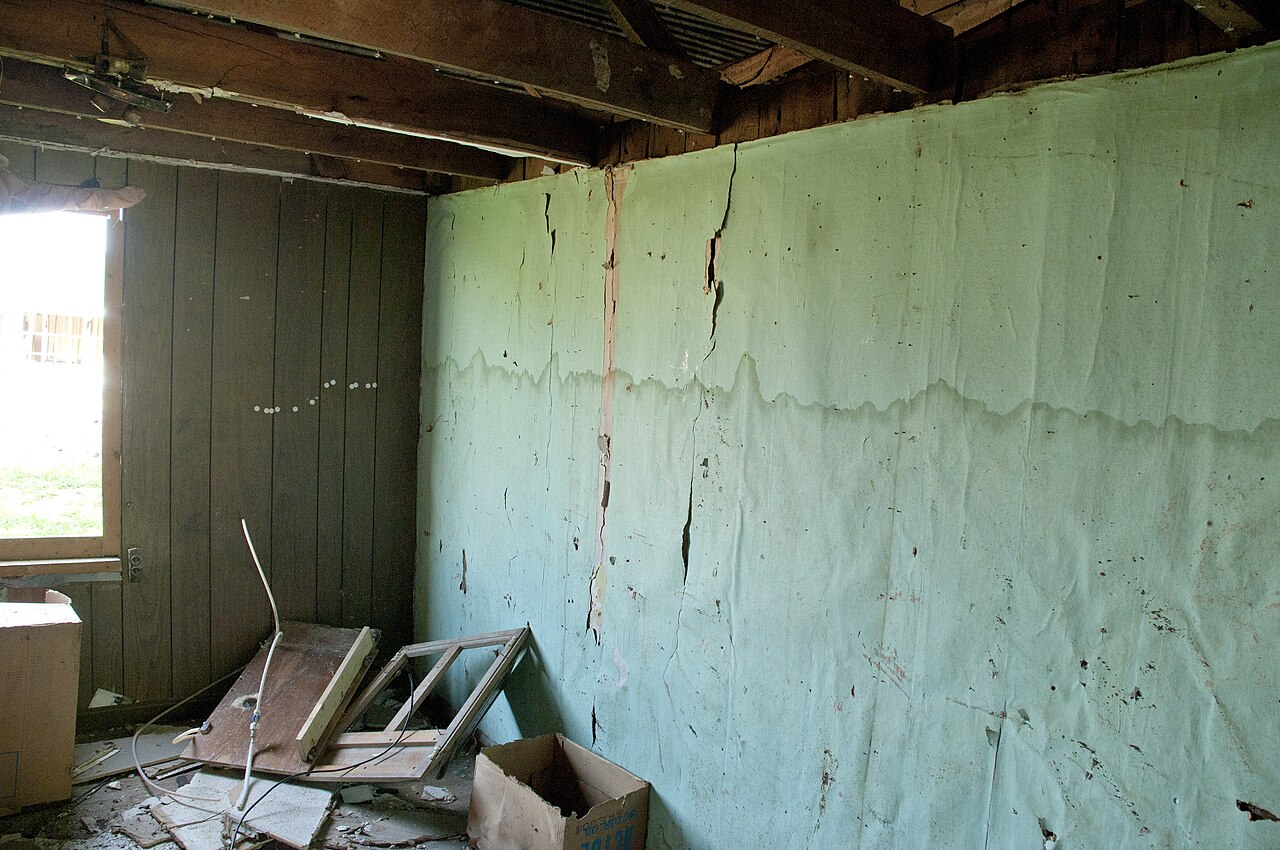
Burst & Leaking Pipe Repair
Water extraction, wall & ceiling moisture detection, structural drying, and water damage cleanup after burst or leaking pipes in Marietta.
Water Damage Restoration
Professional water damage cleanup, water extraction, structural drying, and damage restoration for homes, apartments, and commercial properties in Marietta and Cobb County.
Basement Water Removal
Standing-water removal and extraction, slab dehumidification, finished basement drying, and moisture remediation after heavy rain, sump pump failures, or plumbing bursts in Marietta.
Need Water Damage Restoration in Marietta?
Call now to discuss your water damage situation and the next steps.