Unexplained High Water Bill in Marietta? How to Check for a Hidden Leak
When a water bill jumps with no change in routine, the meter knows why. Learn the simple meter test that confirms a hidden leak, how to read usage patterns, and where hidden leaks live in Marietta homes — toilets, irrigation, service lines, and under the slab.
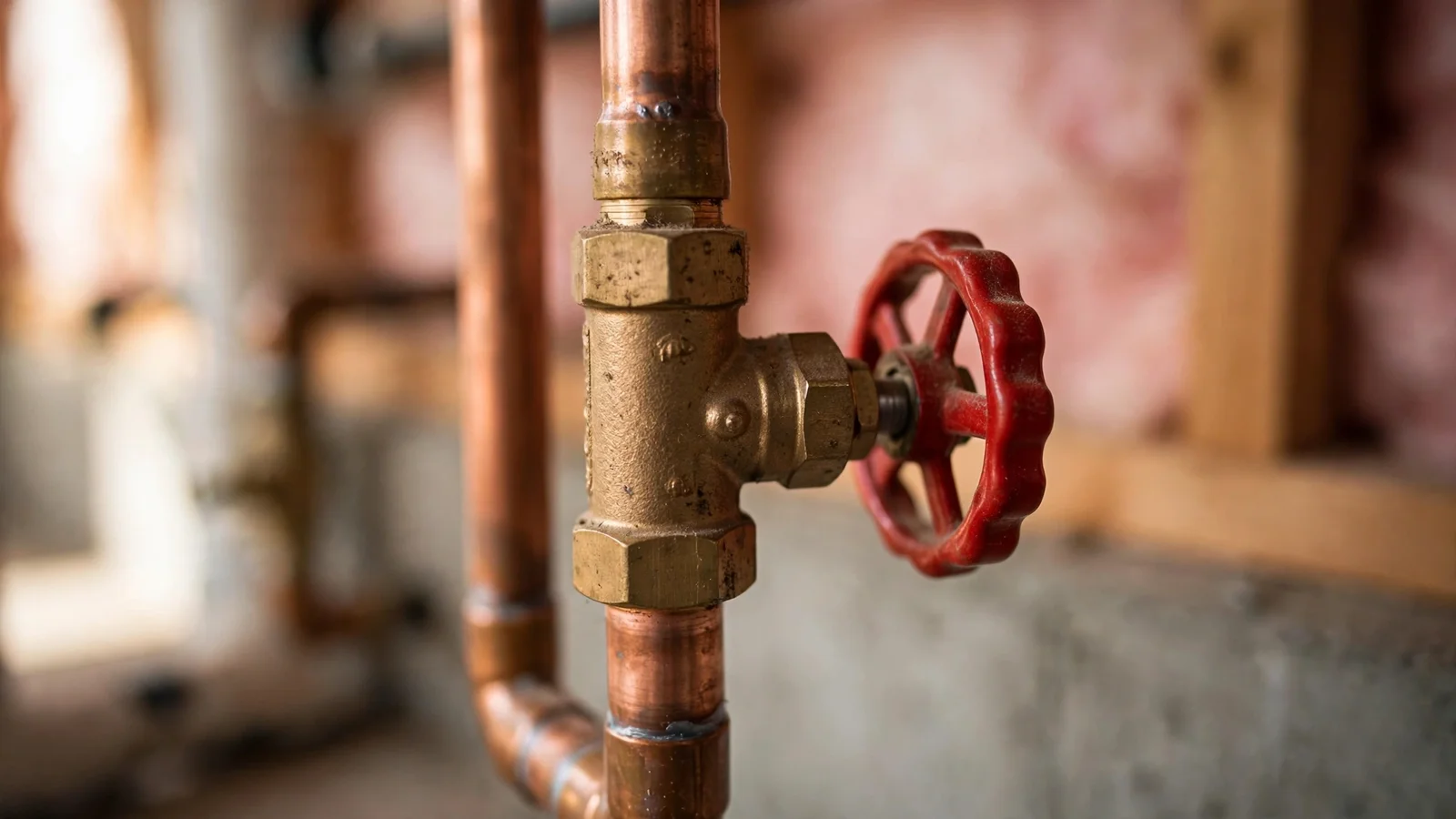
Quick Answer
A water bill that jumps without a change in your household routine usually means water is going somewhere you cannot see. The meter test settles it: read the meter, use no water for a few hours, and read it again. If the number moved, you have a leak — then work through the usual hiding places before assuming the worst.
For many Marietta homeowners, the first sign of a hidden leak is not a puddle — it is a bill. Usage climbs for a month or two with no extra guests, no new pool fill, no change in laundry habits. Sometimes usage rises in summer because irrigation really is running more, and Georgia heat does push outdoor watering up. But a jump that does not match the season, or one that keeps climbing, deserves a closer look before the next bill arrives.
This guide walks through how to read your usage pattern, run a simple meter test, and check the places hidden leaks most often live — toilets, irrigation, service lines, and under the slab — plus what to do when the leak is confirmed but invisible.
Step One: Let the Meter Tell You if There Is a Leak
Your water meter measures everything that passes into your home's plumbing. That makes it the most honest leak detector you own:
- 1.Compare bills before you touch anything. Look at usage, not just the amount owed, across the last several bills and the same period a year earlier. A steady climb suggests a growing leak; a sudden step up suggests something failed or started running.
- 2.Turn everything off. No faucets, no dishwasher or washing machine mid-cycle, ice maker paused, irrigation controller off. Tell everyone in the house the test is running.
- 3.Read the meter twice. Note the reading and watch the leak-indicator dial. Then leave the house or test overnight and read it again. If the reading changed while nothing was used, water is leaking somewhere between the meter and your fixtures — or through a fixture itself.
- 4.Isolate sections. Close the home's main shutoff valve and repeat the observation. If the meter still moves with the house shut off, the leak sits in the service line between the meter and the house. If it stops, the leak is inside the home's plumbing or fixtures.
Where Hidden Leaks Live in Marietta Homes
- 1.Toilets. The most common indoor culprit. A worn flapper or faulty fill valve lets water run from tank to bowl continuously or in cycles, often too quietly to notice from another room.
- 2.Irrigation systems. Cracked lateral lines, broken sprinkler heads, and valves that do not fully close leak only when zones run — or seep constantly underground. In Cobb County's clay soil, the water may never surface, showing up only as a soft patch of yard or a greener strip of grass.
- 3.Under the slab. Many Marietta homes are slab-on-grade, with supply lines running beneath the concrete. A pinhole leak there never shows a puddle — see the companion guide on slab leak signs for the specific clues.
- 4.Water heaters, softeners, and hose bibs. A slow drip from a pressure-relief valve, a softener stuck in regeneration, or an outdoor faucet that never fully closes can each move a surprising amount of water over a billing cycle.
Work from the easy checks toward the hidden ones: toilets first, then irrigation isolation, then fixture-by-fixture. If the meter still moves with everything accounted for, the leak is in the structure or underground, and locating equipment earns its keep.
The Leak Is Real but Invisible: What Happens Next
A confirmed hidden leak has two risks running at once: wasted water every day it continues, and moisture building inside walls, under floors, or beneath the slab. Plumbers locate these leaks with acoustic listening equipment, pressure isolation, and moisture detection rather than exploratory demolition — they narrow the leak to a section of line, then a specific area, before anything is opened.
Once the pipe is repaired, ask what the water reached. A restoration provider can measure moisture in nearby walls and flooring and dry what is still wet, so a plumbing fix does not leave a mold problem behind. This site connects Marietta homeowners with independent local providers for that assessment — call +1 (470) 804-0012 to discuss what your meter test showed. And keep your notes: bill copies, meter readings, and repair records document the story if you discuss the charges with your water provider or an insurance question comes up later.
Frequently Asked Questions About Hidden Leaks and Water Bills
How do I read my water meter for the leak test?
Find the meter box, usually near the street, and lift the lid carefully. Note the reading and check whether the small leak-indicator dial is moving while no water is being used inside. Then avoid using water for a few hours or overnight and read it again — any change means water passed through the meter.
Can a running toilet really change my water bill?
Yes. A toilet that leaks silently from tank to bowl can waste water around the clock without an obvious sound, and it is a common cause of an unexplained usage jump. To check: put a few drops of food coloring in the tank, wait without flushing, and see whether color appears in the bowl.
My meter test shows a leak but I cannot find water anywhere. What now?
That pattern points to a hidden location: under the slab, in a wall, in the service line between meter and house, or in an irrigation line. Plumbers use listening equipment, pressure testing, and isolation valves to narrow down the section before any digging or opening of walls. Locating first is faster and less destructive than guessing.
How do I tell an irrigation leak from a house leak?
Shut off the irrigation supply valve and repeat the meter test. If the meter stops moving, the leak is in the irrigation system — a broken head, stuck valve, or cracked lateral line. Also walk the yard after the system runs: soggy patches or unusually green strips point to where it is losing water.
Should I call my water provider about a high bill?
It is worth doing. Your provider can confirm whether the reading was estimated or actual, and what their process is if a leak is confirmed and repaired. Keep your meter-test notes and repair records — documentation helps whatever conversation follows.
Can a hidden leak damage my home even if I never see water?
Yes. A slow leak inside a wall, under a floor, or beneath the slab keeps building materials damp for months, leading to warped flooring, soft drywall, and mold inside cavities. The bill is often the first warning — the building damage builds quietly behind it.
Data Sources & Standards Referenced
Meter still moving when nothing is running? That leak is costing water every day and may be wetting your home where you cannot see it — call +1 (470) 804-0012 to connect with an independent local restoration provider in the Marietta area.
Related Guides
Marietta Service Hubs
Water damage restoration services are available across Cobb County municipalities:
Complementary Restoration Services
Explore additional specialized water damage, sewage, pipe repair, and flood cleanup services in Marietta.
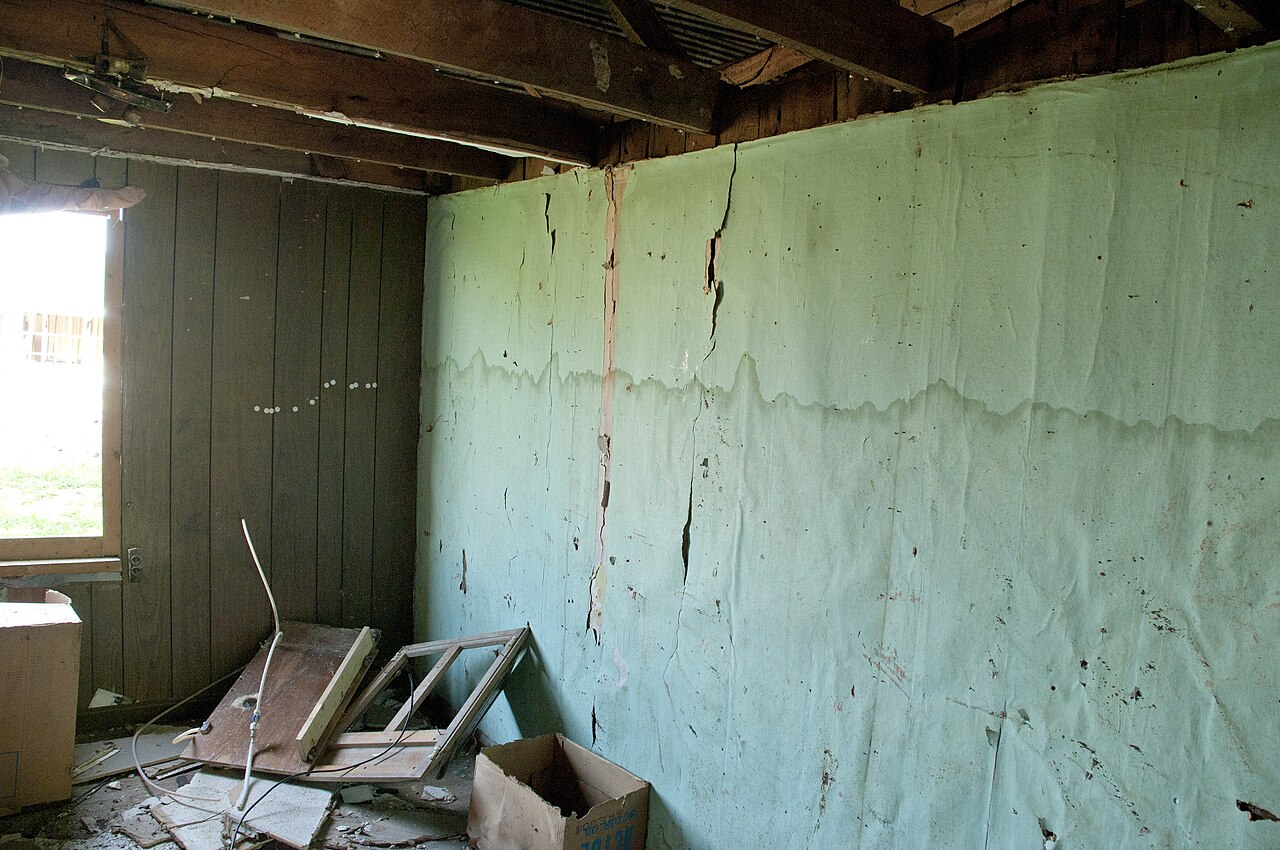
Burst & Leaking Pipe Repair
Water extraction, wall & ceiling moisture detection, structural drying, and water damage cleanup after burst or leaking pipes in Marietta.
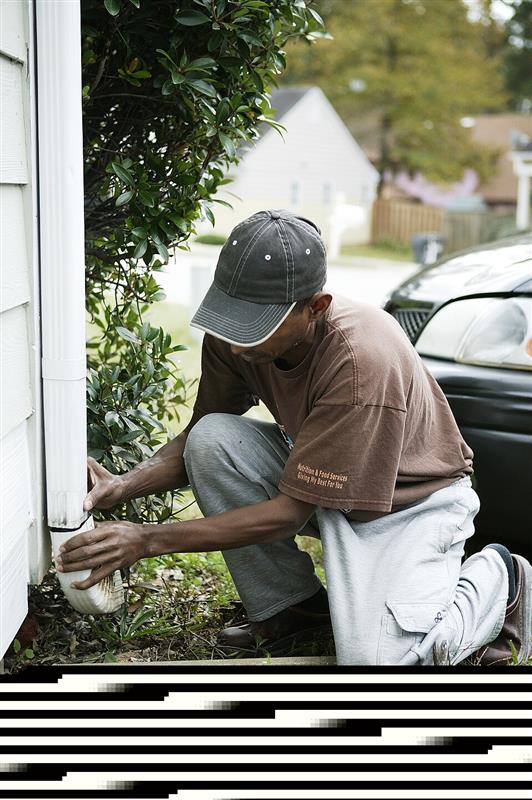
Water Damage Restoration
Professional water damage cleanup, water extraction, structural drying, and damage restoration for homes, apartments, and commercial properties in Marietta and Cobb County.
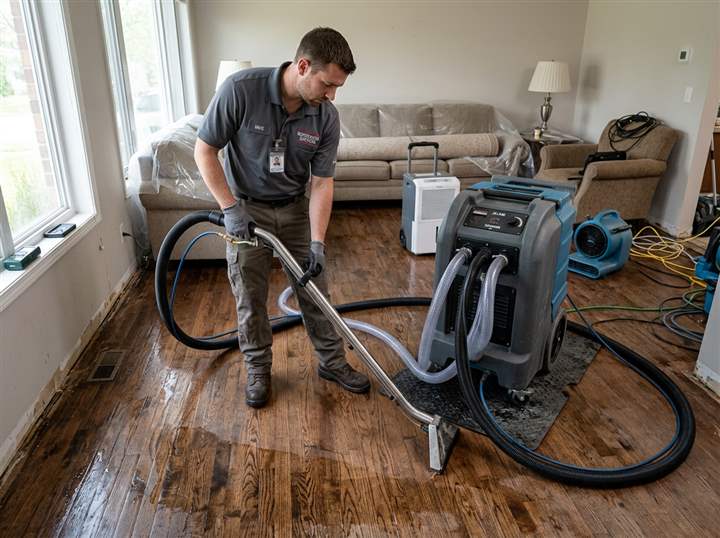
Emergency Water Extraction
Rapid standing water removal for flooded basements, burst pipes, appliance failures, and storm intrusion across Marietta and Cobb County — extraction first, because every hour of standing water multiplies the damage.
Need Water Damage Restoration in Marietta?
Call now to discuss your water damage situation and the next steps.