Sump Pump Failure in Marietta: Why Basements Flood During Heavy Georgia Rain
When Georgia storms drop inches of rain in hours, a working sump pump is the only thing standing between a Marietta basement and several inches of water. Learn why sump pumps fail, the warning signs, and what to do the moment water starts rising.
Quick Answer
Sump pump failure is one of the most common reasons Marietta basements flood during heavy Georgia rain. If water is rising in your basement right now, stay out of standing water near outlets, switch off power to the area only if it's safe to do so, and call +1 (470) 804-0012 for emergency response.
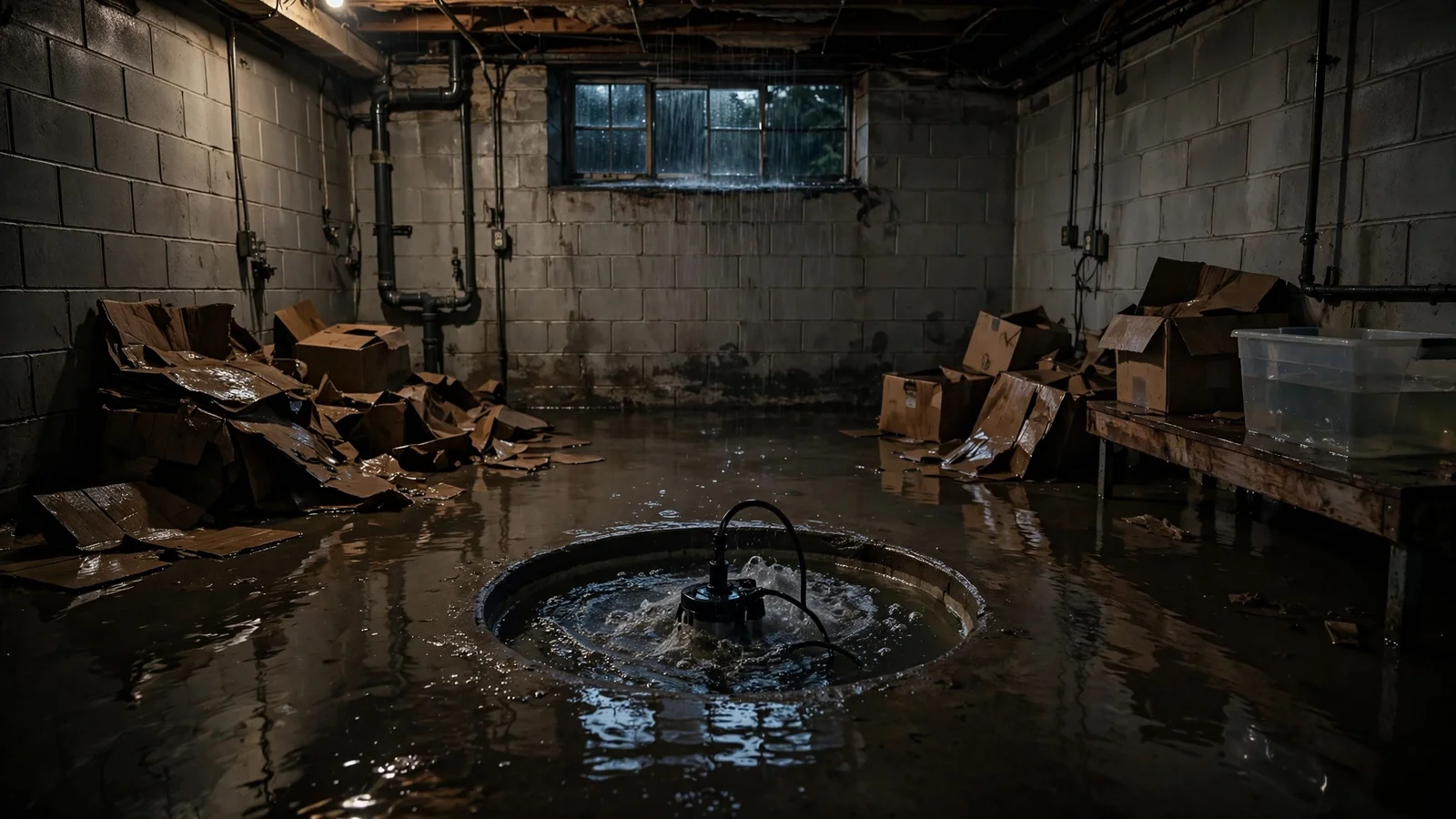
Georgia doesn't do rain halfway. A single slow-moving summer thunderstorm or a tropical-system remnant can drop 2–4 inches on Cobb County in a few hours — and for homes with basements, the sump pump is the last line of defense. When it fails during a storm, water can rise several inches in under an hour, soaking carpet, drywall, stored belongings, and everything else on the floor.
If your basement is flooding right now, don't wait to see how high the water gets — call +1 (470) 804-0012 for emergency response.
Why Marietta Basements Are So Vulnerable During Heavy Rain
Marietta's housing stock and soil create a perfect setup for basement flooding:
- 1.Georgia clay soil: Much of Cobb County sits on dense red clay that drains poorly. During heavy rain, the soil saturates quickly and water follows the path of least resistance — straight toward your foundation.
- 2.Hydrostatic pressure: As groundwater builds up against basement walls, it pushes water through cracks, mortar joints, and the seam where the wall meets the floor (the cove joint). A sump pump relieves this pressure by collecting the water and discharging it away from the house.
- 3.Hill-and-valley terrain: Many Marietta neighborhoods are built on slopes. Homes at the bottom of a grade receive runoff from every property uphill, multiplying the water load on the drainage system.
- 4.Older foundation drainage: Homes built before modern waterproofing standards may have aging or undersized drain tile (the perforated pipe around the footing that feeds the sump pit). When it clogs with silt, the pump can't keep up even if it's running fine.
- 5.Finished basements raise the stakes: Finished basements are common in Marietta — home offices, guest rooms, media rooms — so flooding destroys drywall, flooring, furniture, and electronics, not just concrete.
The 7 Most Common Causes of Sump Pump Failure
Sump pumps rarely fail on a dry Tuesday — they fail during the worst storm of the year. Here's why:
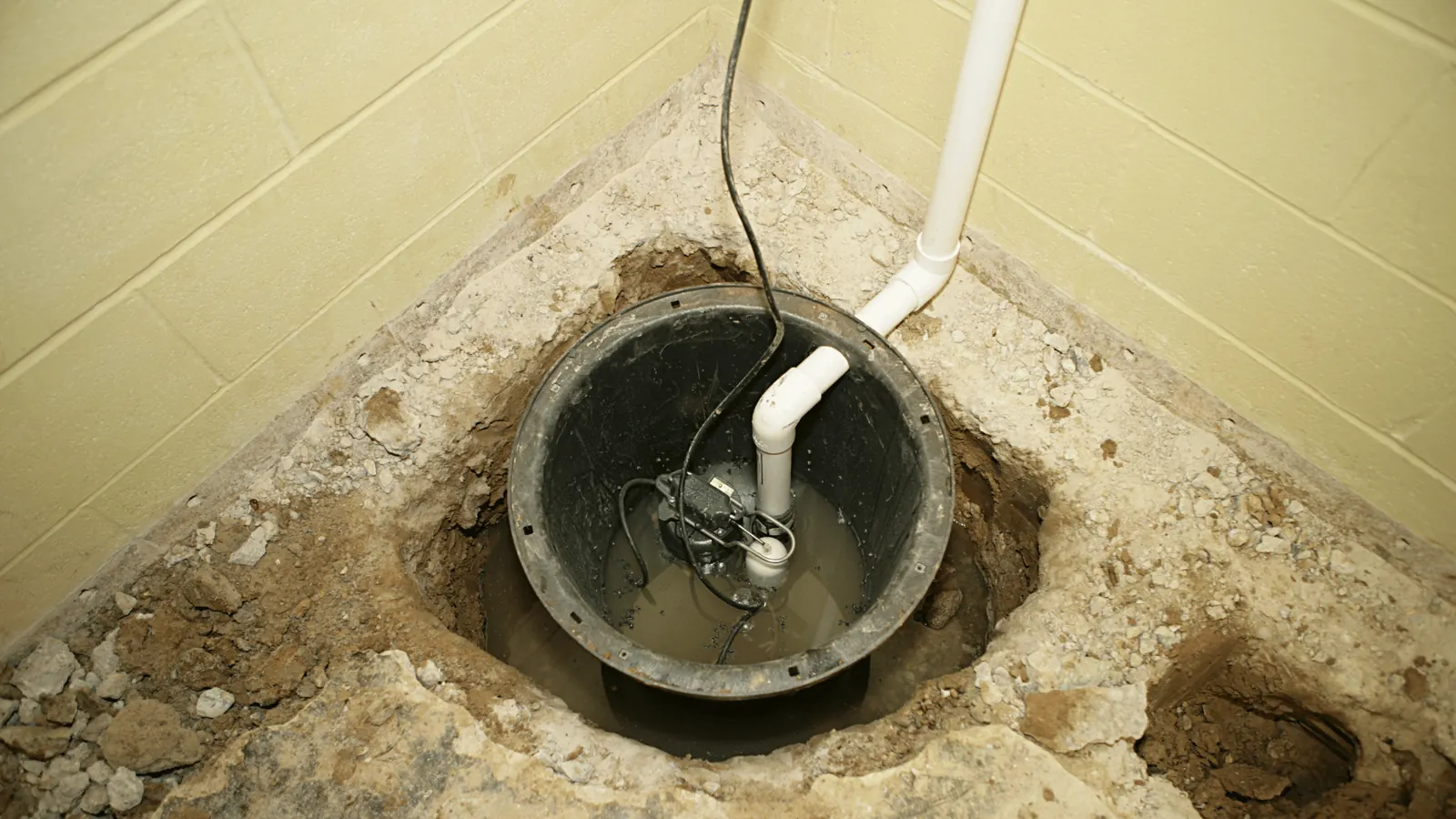
- 1.Power outages. The number-one cause. Severe Georgia storms knock out power and a standard sump pump stops instantly; if the outage lasts through the heaviest rain, the pit overflows. A battery backup or generator-fed circuit is the standard fix.
- 2.An overwhelmed or undersized pump. A pump sized for normal rain can't handle a 4-inch deluge, especially on a sloped lot. If it runs constantly during every heavy storm and still can't keep the pit low, it's undersized for your home.
- 3.A stuck or tangled float switch. The float switch turns the pump on when water rises. Debris, silt, or the power cord itself can jam the float in the "off" position — the pit fills while the pump sits silent. This is the most common mechanical failure in older pumps.
- 4.A clogged or frozen discharge line. The pipe carrying water outside can clog with sediment or ice, or get crushed where it exits the house. The pump runs, but the water has nowhere to go — or flows right back into the pit.
- 5.Pump age and burnout. Most sump pumps last 7–10 years, less with heavy storm-season cycling. Corroded components, a burned-out motor, or a seized impeller will quit mid-storm.
- 6.Improper installation. A pump sitting on silt sucks up sediment and clogs. A too-small pit causes short-cycling (rapid on/off) that burns out the motor, and a missing check valve lets discharged water drain right back into the pit.
- 7.No maintenance — ever. Out of sight in a dark pit, sump pumps get ignored for years. One that hasn't been tested, cleaned, or inspected in five years is one you can't count on.
Warning Signs Your Sump Pump Is About to Fail
Check your pump before storm season. These signs mean it needs attention now, not after the next downpour:
- •It doesn't turn on during a test. Pour a bucket of water into the pit — if the float rises and nothing happens, the switch or motor has failed.
- •Strange noises. Grinding, rattling, or loud vibrating during operation means worn bearings or a damaged impeller.
- •It runs constantly — or never runs. A pump that runs in dry weather may have a stuck switch; one that never runs during rain has a switch or power problem.
- •Visible rust or corrosion. Heavy rust on the pump or in the pit water signals age and impending failure.
- •It can't keep up. If the pit fills faster than the pump empties it during a moderate storm, the pump is undersized or the discharge line is restricted.
- •Frequent tripping of the circuit breaker. Repeated breaker trips mean an aging motor drawing too much current — it's on borrowed time.
- •The pump is 7+ years old. Even if it still runs, a decade-old pump in Georgia's storm climate is living on luck.
If you spot any of these, have the pump serviced or replaced before the next heavy rain — a flooded basement spreads damage far beyond what a failed pump alone would cause.
Your Basement Is Flooding: What to Do Right Now
Water rising in the basement is an emergency — every inch damages more of the home. Work through these steps in order:
- 1.Don't walk through standing water blindly. If water is near outlets, the breaker panel, the furnace, or the water heater, stay out until power to the area is off — electrocution is the real first danger.
- 2.Turn off electricity to the basement if you can do it safely. Use the breaker panel — never touch electrical equipment while standing in water. If the panel itself is in the flooded area, call for help instead of attempting it.
- 3.Stop the source if possible. If the water is coming from a failed sump pump rather than a burst pipe or sewer backup, check whether the pump has power — a tripped breaker or unplugged cord is sometimes the whole problem. Never attempt repairs while standing in water.
- 4.Move valuables upstairs first — electronics, documents, photo albums, anything irreplaceable. Lift furniture onto blocks if it can't be moved out.
- 5.Document everything. Photograph and video the water level, the sump pit, damaged items, and wet walls before anything is moved — note the date, time, and approximate depth. Your insurance claim depends on this documentation.
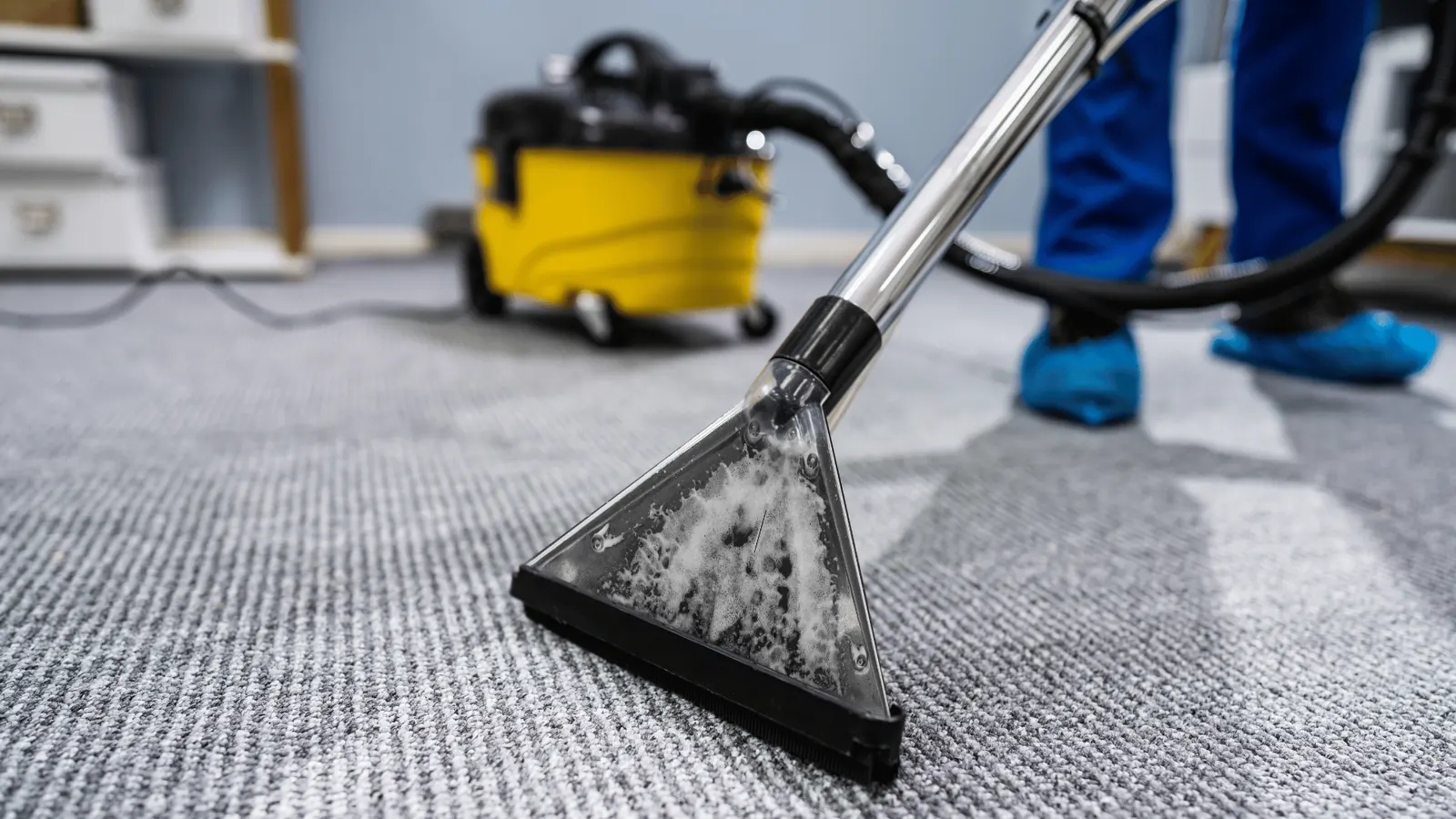
- 6.Call for emergency help: +1 (470) 804-0012. Professional basement flooding extraction removes standing water fast, then structural drying prevents the mold growth that starts within 24–48 hours in Georgia's humidity. The longer water sits, the deeper it wicks into drywall, subflooring, and framing.
Do not try to "wait it out." Even after the rain stops, water trapped in walls and under flooring keeps wicking and feeding mold. Extraction and drying need to start as soon as possible — see the water damage restoration process guide for what comes next.
Preventing Sump Pump Failure: Backup Power and Maintenance
A sump pump with no backup is a single point of failure — and a proper sump pump backup setup is what keeps a Marietta basement dry when the power dies mid-storm. Georgia's storm season — roughly March through September, plus fall tropical remnants — is when you need redundancy:
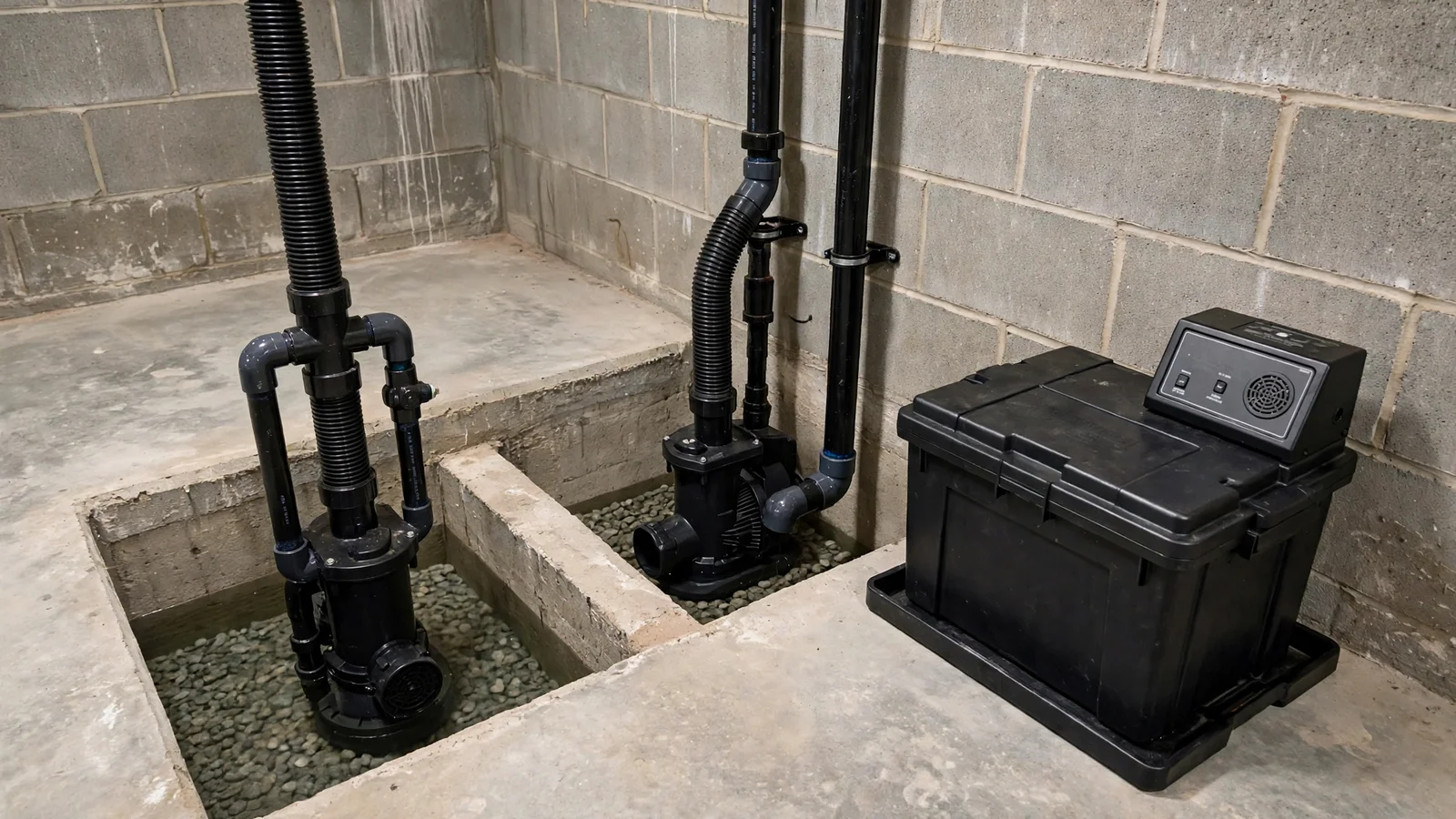
- 1.Battery backup system. A battery-powered backup pump kicks in when the primary loses power or can't keep up — covering the most common outage window.
- 2.Water-powered backup. Where municipal water pressure is available, this backup runs without electricity at all, through multi-day outages.
- 3.Generator circuit. If you own a generator, make sure the sump pump circuit is one of the loads it feeds.
- 4.Test quarterly. Pour water into the pit every few months to confirm the pump activates, pumps strongly, and shuts off.
- 5.Clean the pit yearly. Remove silt and debris from the pit so the pump and float switch move freely, and check that the outside discharge outlet flows freely away from the foundation.
- 6.Replace on schedule. If your pump is approaching 10 years old, replace it proactively. A new primary pump plus a battery backup is the standard storm-season setup for Marietta basement homes.
- 7.Consider a high-water alarm. A simple float alarm sounds when water rises above the pump's trigger level — early warning while you still have time to act.
Also review your home's exterior grading and gutters — water that never reaches the foundation never reaches the sump pit. Downspouts should discharge at least 6 feet from the house. For a full prevention checklist, see the guide on preventing water damage in Marietta homes.
Frequently Asked Questions About Sump Pump Failure
Why does my basement flood only during heavy rain?
Your sump pump system handles normal rainfall but gets overwhelmed — or loses power — during intense storms. Georgia clay soil saturates fast, hydrostatic pressure spikes, and an undersized, clogged, or powerless pump lets the pit overflow.
How long does a sump pump last?
Typically 7–10 years, less with heavy storm-season cycling. If yours is approaching that age and the basement has flooded before, replace it before the next storm season.
Will homeowners insurance cover basement flooding from sump pump failure?
It depends on your policy. Standard homeowners policies often exclude groundwater seepage but may cover sudden pump failure if you carry a sump pump / water backup endorsement. Check your policy before storm season — this endorsement is commonly missing. (The Georgia homeowners insurance guide covers this in detail.)
What's the difference between a battery backup and a second pump?
A battery backup powers your pump when the electricity goes out. A second pump is usually higher-capacity or activates when water rises past the first pump's trigger level. Many Marietta homes benefit from both.
Can I install a sump pump backup myself?
Backup kits are sold as DIY products, but incorrect wiring, undersized batteries, or bad discharge plumbing leave you unprotected exactly when you need protection — and can void equipment warranties. Have backup systems installed and tested properly.
How fast does mold grow after a basement flood?
In Georgia's humidity, mold can begin growing on wet drywall, wood, and fabrics within 24–48 hours — which is why rapid extraction and structural drying matter most. Drying the visible floor isn't enough; wall cavities and subflooring hold moisture for days.
My sump pump is not working — what should I check first?
Check power before anything else: a tripped breaker or an unplugged cord is the most common reason a sump pump is not working. Next, lift the float switch by hand — if the pump kicks on, the switch was stuck. If it still won't run with power and a lifted float, the motor has likely failed and the pump needs replacement.
How can I tell if my sump pump is working?
Pour a bucket of water into the pit — the float should rise and the pump should activate, discharge strongly, and shut off when the water drops. Run this test every few months, and again right before Georgia's storm season. A pump that runs constantly, makes grinding noises, or can't empty the pit during a moderate storm needs service.
Data Sources & Standards Referenced
Basement taking on water during a storm? Don't wait for it to get worse — call +1 (470) 804-0012 for emergency response in the Marietta area.
Related Guides
Marietta Service Hubs
Water damage restoration services are available across Cobb County municipalities:
Complementary Restoration Services
Explore additional specialized water damage, sewage, pipe repair, and flood cleanup services in Marietta.
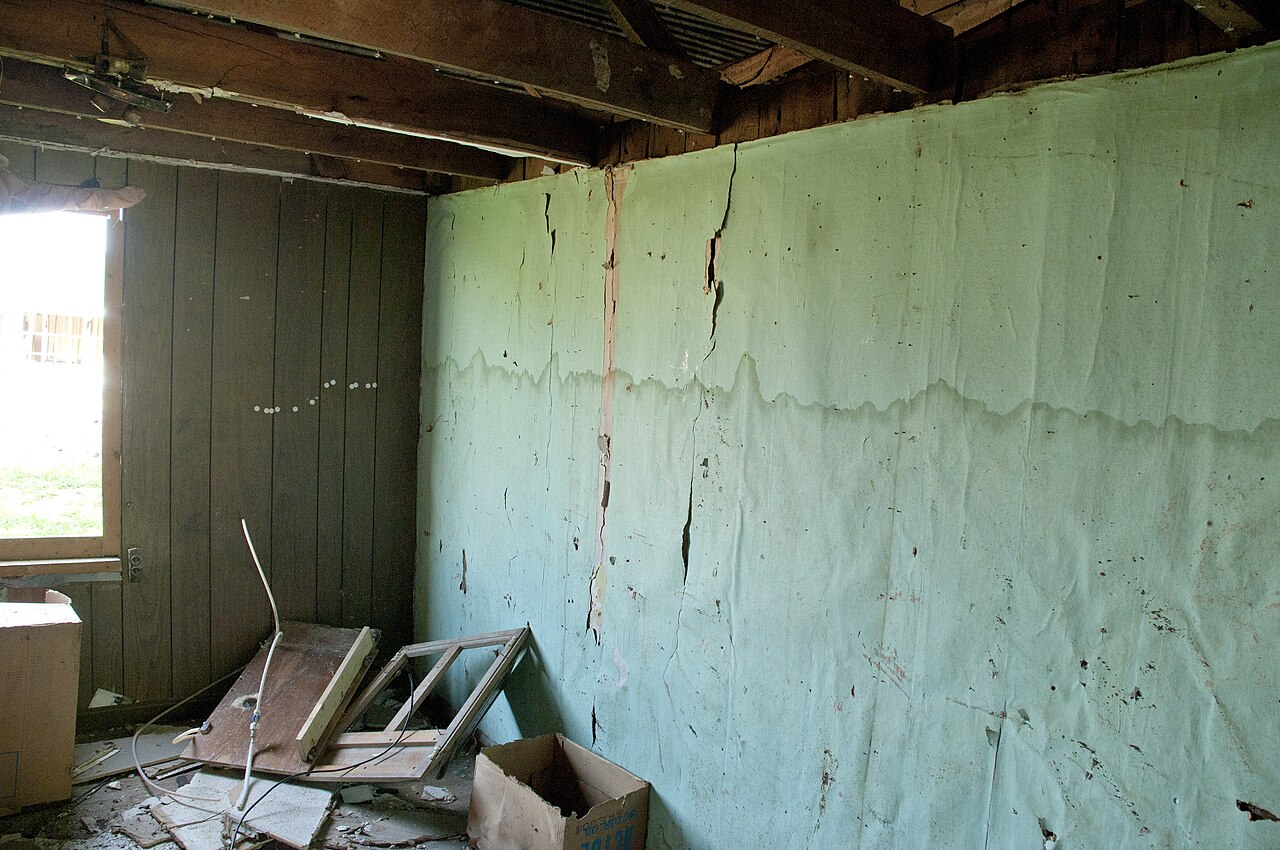
Basement Water Removal
Standing-water removal and extraction, slab dehumidification, finished basement drying, and moisture remediation after heavy rain, sump pump failures, or plumbing bursts in Marietta.
Water Damage Restoration
Professional water damage cleanup, water extraction, structural drying, and damage restoration for homes, apartments, and commercial properties in Marietta and Cobb County.
Burst & Leaking Pipe Repair
Water extraction, wall & ceiling moisture detection, structural drying, and water damage cleanup after burst or leaking pipes in Marietta.
Need Water Damage Restoration in Marietta?
Call now to discuss your water damage situation and the next steps.