Washing Machine Leak in Marietta: Stop It Fast & Prevent the Next Flood
A washing machine leak can flood a Marietta laundry room in minutes — especially from a burst supply hose. Learn the warning signs, exactly what to shut off first, and how to prevent the next appliance flood in a Georgia home.
Quick Answer
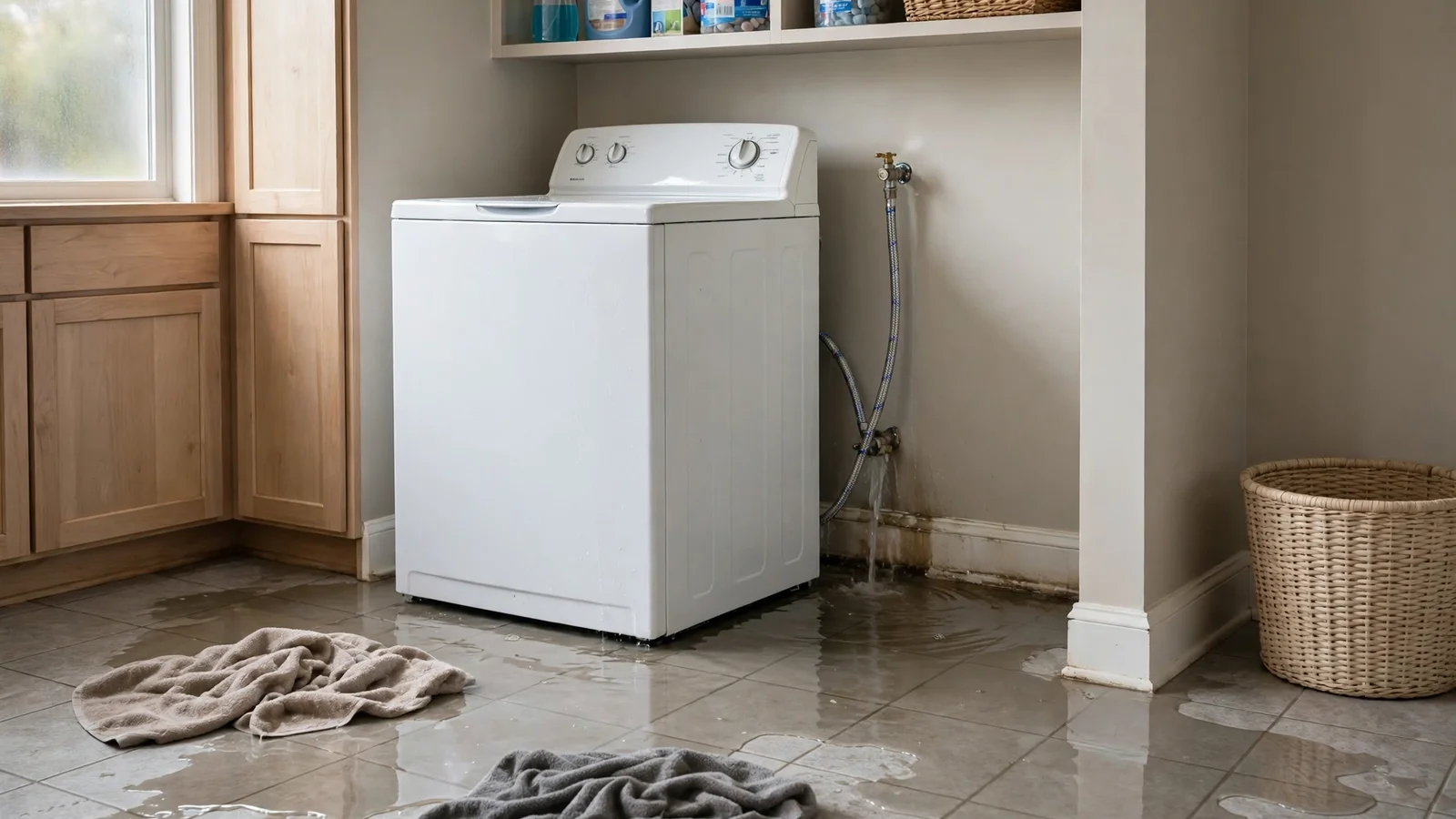
A washing machine leak in Marietta usually comes from a burst supply hose, a loose connection, or a failed drain pump. Shut off both water supply valves behind the machine, unplug it only if you can do so safely without standing in water, and call for emergency response at +1 (470) 804-0012.
A washing machine leak is one of the fastest ways a normal day turns into a water damage emergency. A single burst supply hose can release gallons of water every minute, and because washers often run while nobody is watching, the leak may run for a long time before anyone notices. In Marietta homes, that water does not stay in one place. It spreads under flooring, down through ceilings, and into wall cavities where Georgia humidity helps mold start within 24–48 hours.
Most of these floods are preventable, and the first few minutes of response matter most. This guide covers why leaks happen in Cobb County homes, the warning signs, what to do the moment you find water, and how to stop the next flood.
Found water around your washer right now? Shut off both supply valves behind the machine, then call +1 (470) 804-0012 for emergency response in the Marietta area.
Why Washing Machine Leaks Hit Marietta Homes Hard
Marietta's housing stock makes appliance leaks especially damaging. Many ranch and split-level homes across Cobb County have laundry rooms on a concrete slab, so water spreads quickly into adjacent rooms. Newer two-story homes often put the laundry upstairs, near bedrooms — convenient until a leak soaks through the ceiling below. Older homes may have the washer in a garage or over a crawlspace, where a slow leak can go unnoticed for weeks while it dampens subflooring and insulation.
Georgia's climate adds a second problem: high humidity slows drying, and warm air in attics and crawlspaces keeps damp materials wet longer. It means the two hoses behind the machine — the cheapest parts in the laundry room — deserve more attention than they usually get.
Why Is My Washing Machine Leaking? The Most Common Causes
Most leaks trace back to one of five failure points. A washing machine leaking from the bottom is usually a supply hose, a door seal, or the drain pump — and each cause leaves different evidence behind the machine.
- Burst or cracked supply hoses. This is the number one cause. Standard rubber supply hoses age, stiffen, and develop bulges and cracks, especially near the fittings. Water pressure, spin-cycle vibration, and heat in a garage laundry area speed up that wear. When a rubber hose bursts, it does not drip — it pours.
- Loose or corroded connections. Hose connections at the wall valves and the back of the machine loosen over time from vibration. A slow drip often leaves a white mineral crust or rust stain behind the machine — an early warning most people never see.
- Drain hose problems. If the drain hose slips out of the standpipe, kinks, or cracks, a washing machine drain overflow spills water during drain and spin cycles.
- Door seal and pump failures. Front-loaders rely on a rubber door gasket to hold water in. That seal can tear, trap debris, or grow mold. Inside, the drain pump can crack or clog with lint, coins, and items left in pockets.
- Overloading and detergent overload. Overloading strains the drum, pump, and door seal. Too much detergent creates excess suds that push past seals, especially in high-efficiency machines that need low-sudsing detergent.
Warning Signs to Catch Before the Flood
A washing machine rarely floods without warning. Check for these signs every few months, and act on any of them before running another load:
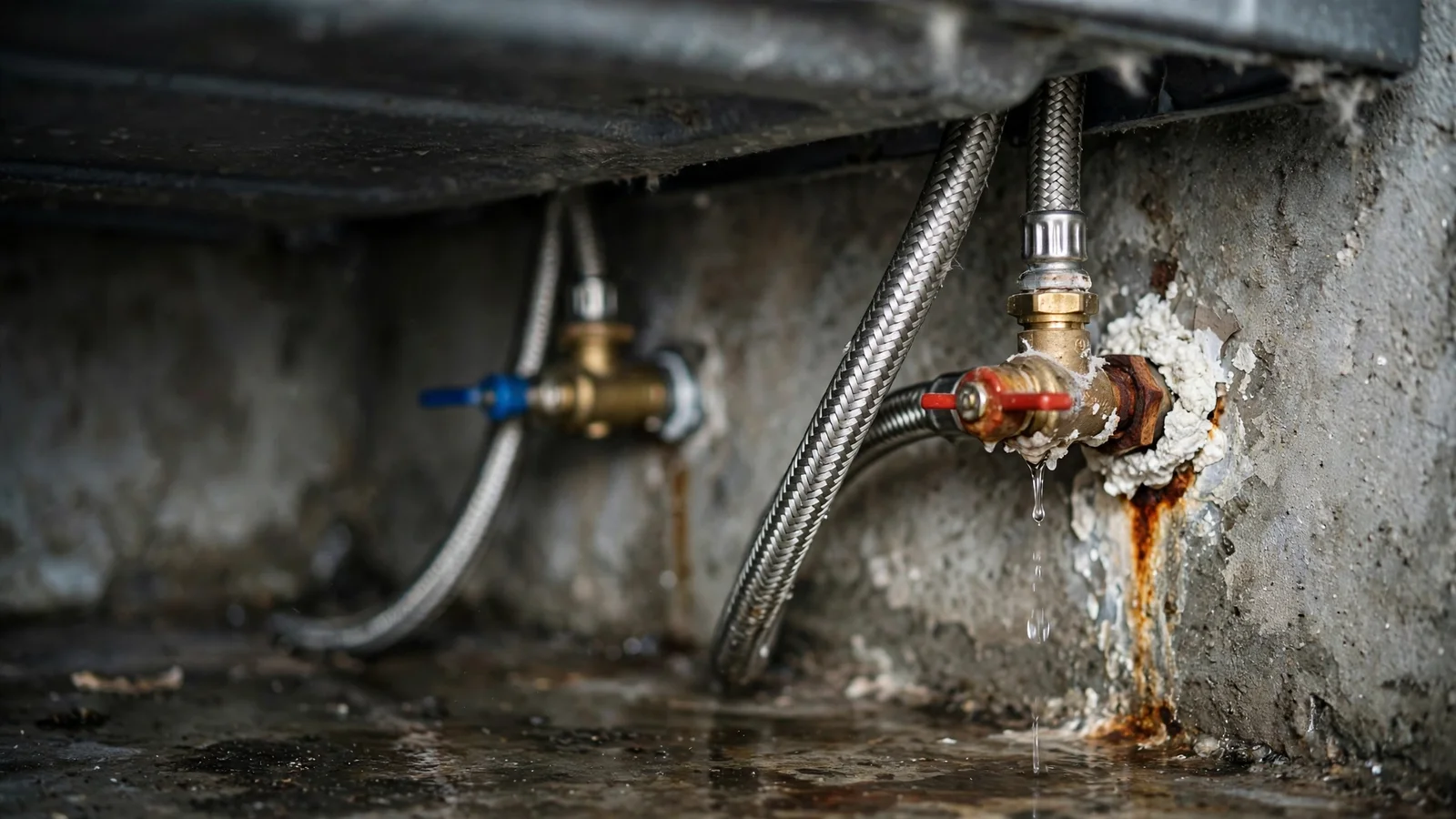
- Dampness or staining behind or under the machine. Pull it out a few inches. Any damp spot, warped baseboard, or musty smell is a leak until proven otherwise.
- Bulging, cracked, or stiff supply hoses. Replace any hose that feels brittle, has a bulge, or shows cracking at the bends.
- Rust or mineral crust on fittings. Green or white buildup at a connection means water has been seeping there, even if the floor looks dry.
- A musty smell in the laundry room. In Georgia humidity, a persistent musty smell often means dampness hidden under flooring or inside a wall.
- Water on the floor after a cycle. Even a small puddle after spin means something is wrong, and it will get worse, not better.
- The machine walks or shakes violently. An unbalanced load batters hoses and connections with every spin and shortens pump and seal life.
What to Do the Moment You Find a Washing Machine Leak
Act in this order:
- Shut off the water. Turn both hot and cold supply valves behind the machine clockwise until they stop. If they are stuck, shut off your home's main water valve instead.
- Unplug the machine — only if it is safe. If you can reach the plug without stepping in standing water, unplug it. If water has reached the outlet, do not touch it.
- Stop the spread. Use towels, mops, and a wet vacuum if you have one to keep water from adjacent rooms and vents. Move stored items off the floor.
- Check where the water went. Look in the room below if the laundry is upstairs, and check neighboring rooms or the crawlspace if it is on a slab. Water travels far beyond the visible puddle.
- Take photos and video. Document the leak point, standing water, and damaged belongings, and note the time you found it. This helps your insurance claim and the drying plan.
- Call for emergency response: +1 (470) 804-0012. Fast extraction in the first hours prevents secondary damage — warped floors, swollen drywall, and mold — that turns a cleanup into a renovation. (See our water damage restoration process guide.)
Do not run the machine again to "see if it still leaks," and do not assume the floor will dry on its own. Water trapped under flooring, inside walls, and in crawlspace insulation stays wet in Georgia humidity long after the surface looks dry.
Water spreading fast or soaking through a ceiling? Call +1 (470) 804-0012 for emergency response now.
What Kind of Water Is It — and Why It Matters
Wash water carries detergent, dirt, and bacteria, so professionals treat it as grey water — more contaminated than a burst clean-water pipe, but less hazardous than sewage. That matters for what can be saved: porous materials like carpet padding often cannot be safely dried, while hard surfaces usually can be if the response is fast.
The longer grey water sits, the worse it gets. Within a day or two in warm, humid conditions, it can support heavier bacterial and mold growth. (See our water damage categories and classes guide.)
How to Prevent the Next Washing Machine Flood
- Replace rubber hoses with braided stainless steel hoses. Braided hoses resist bursting far better than rubber. Replace them every three to five years even if they look fine, and check them twice a year.
- Turn off the supply valves when the machine is not in use — and always before a trip. Closing the valves removes the pressure entirely.
- Use a drain pan, especially upstairs. A washing machine overflow pan under the machine catches small leaks. Upstairs laundry rooms need a pan with a drain line, not one that fills and overflows.
- Leave the door and dispenser drawer slightly open after each load. This prevents mold on the seal, which eventually breaks the seal and causes leaks.
- Use the right detergent, in the right amount. High-efficiency machines need high-efficiency detergent. Excess suds overflow seals and dispensers.
- Do not overload, and check pockets. Coins and keys left in pockets clog pumps and tear hoses.
- Level the machine. A shaking machine batters its own hoses and connections. Level it and keep loads balanced.
- Consider an automatic shutoff sensor. A floor sensor that closes the supply valves when it detects water can stop a flood while you are out — worthwhile for upstairs laundry rooms.
Add the washer to your seasonal checklist alongside the habits in our preventing water damage in Marietta homes guide.
Frequently Asked Questions
What should I do first if my washing machine is leaking?
Shut off both supply valves behind the machine, unplug it only if you can do so without standing in water, and call +1 (470) 804-0012 if water has spread beyond the laundry room.
How do I know if a supply hose needs replacing?
Replace any hose that feels stiff or brittle, shows a bulge, has cracks near the fittings, or is more than five years old. Rubber hoses can fail without warning.
Can a washing machine leak cause mold?
Yes. In Georgia humidity, mold can begin growing on wet drywall, wood, and fabrics within 24–48 hours. Fast extraction and thorough drying prevent a leak from becoming a mold problem.
Is a washing machine leak covered by homeowners insurance?
Sudden and accidental appliance leaks are typically covered under standard Georgia policies, though the failed hose itself is usually not. Slow leaks from neglected maintenance are often excluded, so document the damage and contact your insurer promptly. (See our Georgia homeowners insurance guide.)
Should I run the washer again to find the leak?
No. Running a machine with a known leak risks a second, larger flood. Let a professional inspect the hoses, pump, and connections first.
Why does my laundry room smell musty even when the floor looks dry?
A musty smell usually means dampness hidden somewhere — under flooring, inside a wall, in a crawlspace, or in the door gasket. In Marietta's humid climate, it does not dry on its own and will keep feeding mold.
Sources & References
- Institute of Inspection, Cleaning and Restoration Certification (IICRC) — S500 Standard for Professional Water Damage Restoration.
- U.S. Environmental Protection Agency (EPA) — Mold Course: mold growth timelines and indoor humidity guidance.
- Insurance Institute for Business & Home Safety (IBHS) — washing machine hose failure and appliance leak prevention research.
Facing a washing machine leak right now?
Don't wait for the water to spread. Call us for fast extraction, thorough drying, and a clear next step for your Marietta home.
Call +1 (470) 804-0012Complementary Restoration Services
Explore additional specialized water damage, sewage, pipe repair, and flood cleanup services in Marietta.
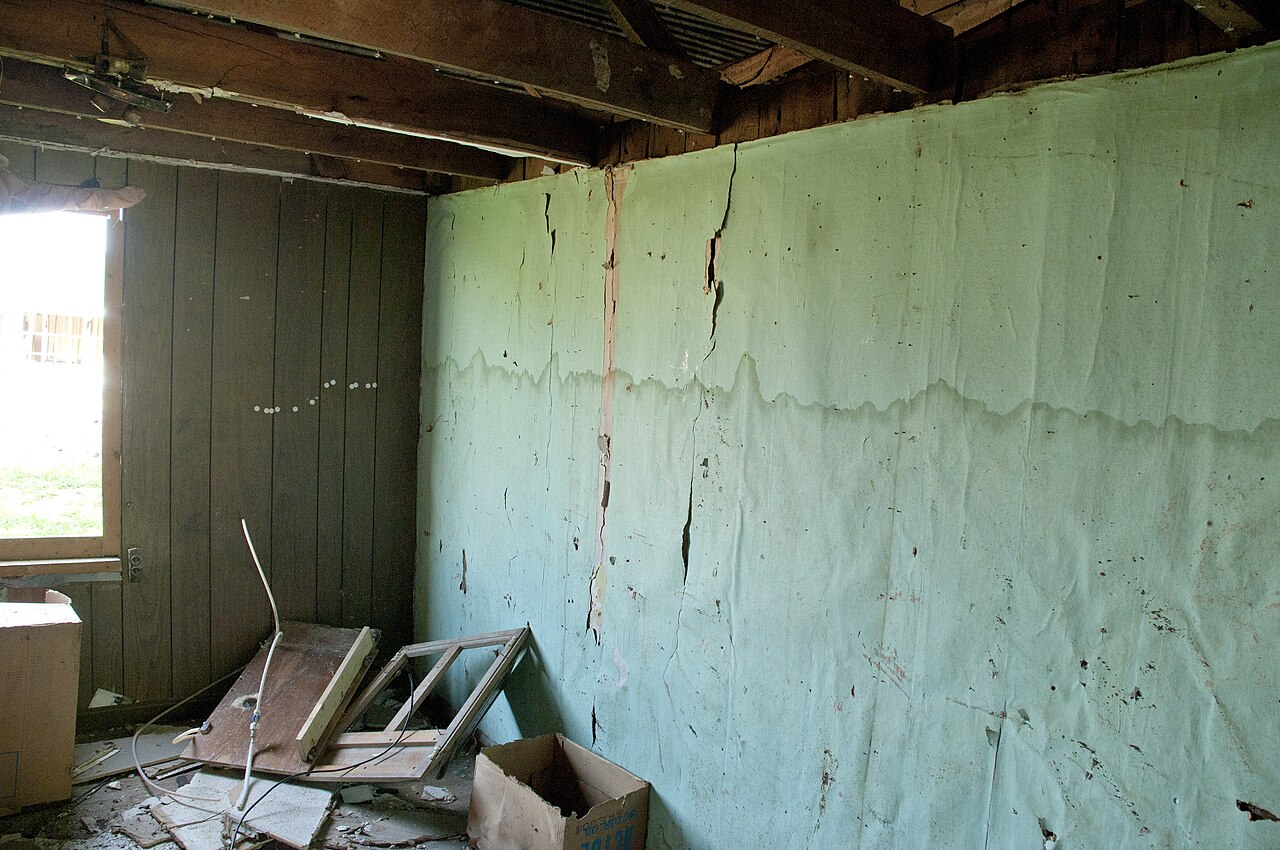
Burst & Leaking Pipe Repair
Water extraction, wall & ceiling moisture detection, structural drying, and water damage cleanup after burst or leaking pipes in Marietta.
Water Damage Restoration
Professional water damage cleanup, water extraction, structural drying, and damage restoration for homes, apartments, and commercial properties in Marietta and Cobb County.
Basement Water Removal
Standing-water removal and extraction, slab dehumidification, finished basement drying, and moisture remediation after heavy rain, sump pump failures, or plumbing bursts in Marietta.
Need Water Damage Restoration in Marietta?
Call now to discuss your water damage situation and the next steps.