How Long Does Water Damage Restoration Take? A Realistic Timeline
Wondering how long water damage restoration takes in a Marietta home? Get a realistic, phase-by-phase timeline — from emergency extraction to final repairs — and learn what speeds the process up or slows it down in Georgia's humid climate.
Quick Answer
How long does water damage restoration take? A straightforward cleanup can finish in 3–5 days, while a full restoration with demolition and reconstruction typically takes 1–3 weeks. The biggest variables are the water's contamination level, how far it spread, and how fast the job starts. For emergency response in Marietta, call +1 (470) 804-0012.
Standing in a soaked hallway, the first question most Marietta homeowners ask is some version of the same thing: how long is this going to take? How long until the water's gone, the house is dry, and life is back to normal? The honest answer is that the water damage restoration process runs on a timeline, not a single number — and knowing the phases helps you plan, keeps your expectations realistic, and keeps you on the phone with your insurer and restoration team instead of guessing.
This guide walks through what each phase looks like, how long each one typically lasts in a Cobb County home, and the local factors that stretch or shrink the schedule. And if you're facing water damage in Marietta, GA right now, every phase below starts counting from the moment help is called.
Dealing with water damage right now and need a fast, honest assessment of what you're facing? Call +1 (470) 804-0012 for emergency response in the Marietta area.
Why There's No Single Answer
Four variables decide your timeline more than anything else:
- 1.Water category. Clean water (Category 1 — a supply-line leak) dries fastest and needs the least demolition. Gray water (Category 2 — washing machine overflow, dishwasher leak) requires more removal of porous materials. Black water (Category 3 — sewage backup, floodwater) is the slowest: everything it touched has to be removed and disinfected, and strict containment protocols add days. (See our breakdown of water damage categories and classes for what each one demands.)
- 2.Extent and hiding places. A spill caught on a tile floor in one room is a days-long job. Water that wicked up drywall, seeped under hardwood, or pooled in a crawlspace is a weeks-long job. Marietta's housing stock works against you here: slab foundations that trap water under flooring, vented crawlspaces that stay damp for weeks, and attics where a slow roof leak can soak insulation for months before anyone notices.
- 3.Materials. Tile and concrete dry relatively fast. Carpet, pad, drywall, and especially hardwood floors dry slowly — and Georgia's humidity slows every porous material down further.
- 4.Response speed. This is the variable you control. Water that gets extracted in the first hours dries in days. Water that sits for a week has soaked deeper, grown mold, and turned a drying job into a demolition job. This is why restoration pros treat the first call as the start of the timeline, not the day the equipment arrives.
The Water Damage Restoration Process: A Realistic Phase-by-Phase Timeline
Every professional water damage job in a Marietta home follows the same sequence, described in detail in our water damage restoration process guide. Here's how long each phase usually takes:
Day 0: Emergency response and assessment (a few hours)
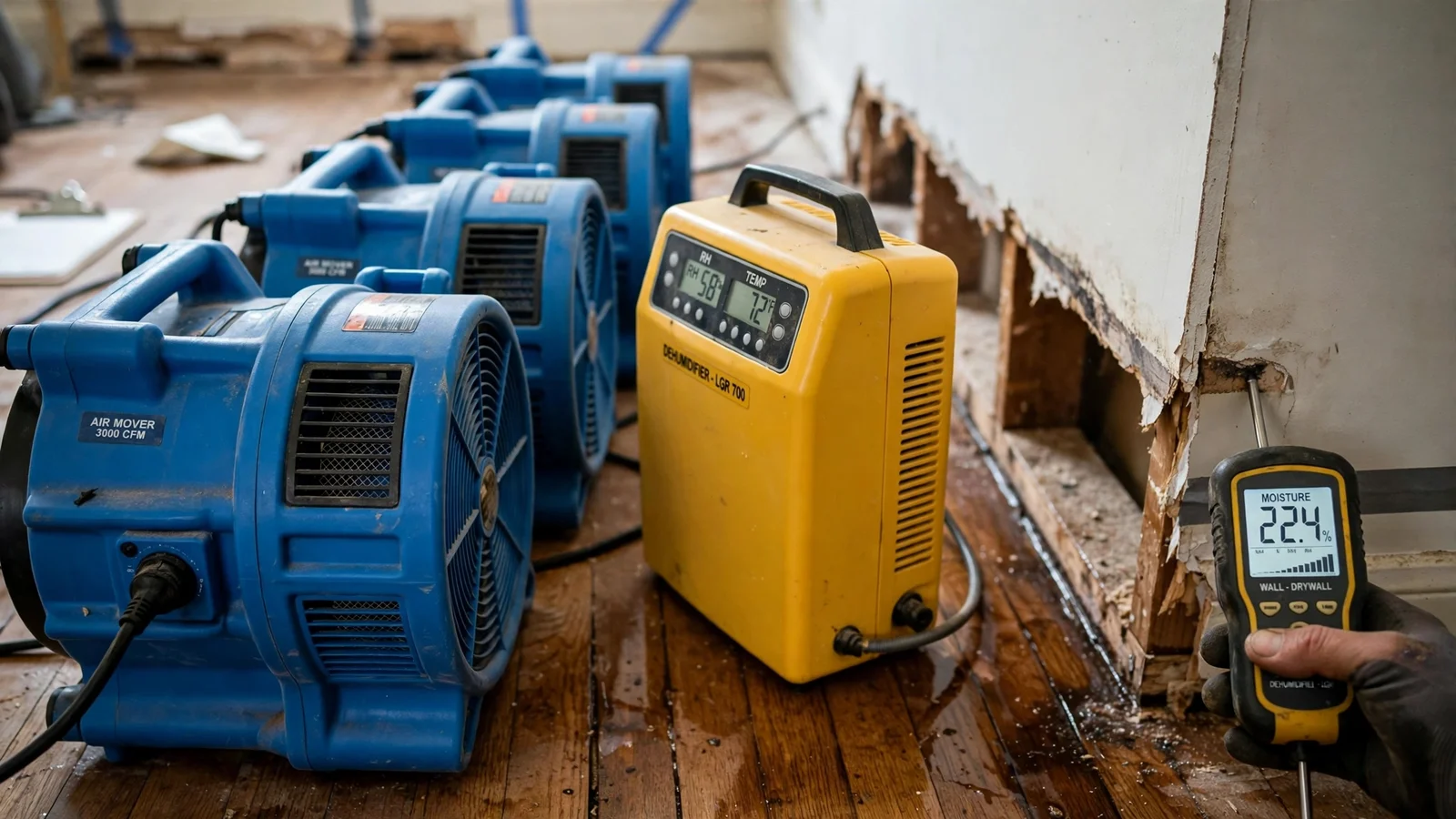
The clock starts when help arrives. A technician inspects the damage with moisture meters and (often) thermal imaging, identifies the water category, checks for electrical hazards, and photographs everything for your insurance claim. You get a plan and a realistic timeframe for your specific situation. This visit takes 1–2 hours; the schedule below assumes it happens on Day 0. Every day it slips, every phase after it shifts.
Day 0–1: Water extraction (hours, not days)
Standing water comes out with truck-mounted extractors, submersible pumps for basements and crawlspaces, and weighted extraction tools for carpet. This is the fastest phase — most homes are extracted in a single visit of a few hours. The goal is simple: bulk water out as fast as possible, because bulk water is what does the deepest damage.
Day 1–2: Demolition of unsalvageable materials (1–2 days)
Anything that can't be dried or sanitized comes out now: soaked carpet pad, swollen drywall (usually cut 12–24 inches above the water line), saturated insulation, and baseboards. Category 3 jobs involve significantly more removal. A small, clean-water job may need almost no demolition; a sewage backup can take two full days of controlled removal before drying even begins. This is also when containment barriers go up to keep dust and contaminants out of clean areas of the home.
Day 2–6: Structural drying (typically 3–5 days)
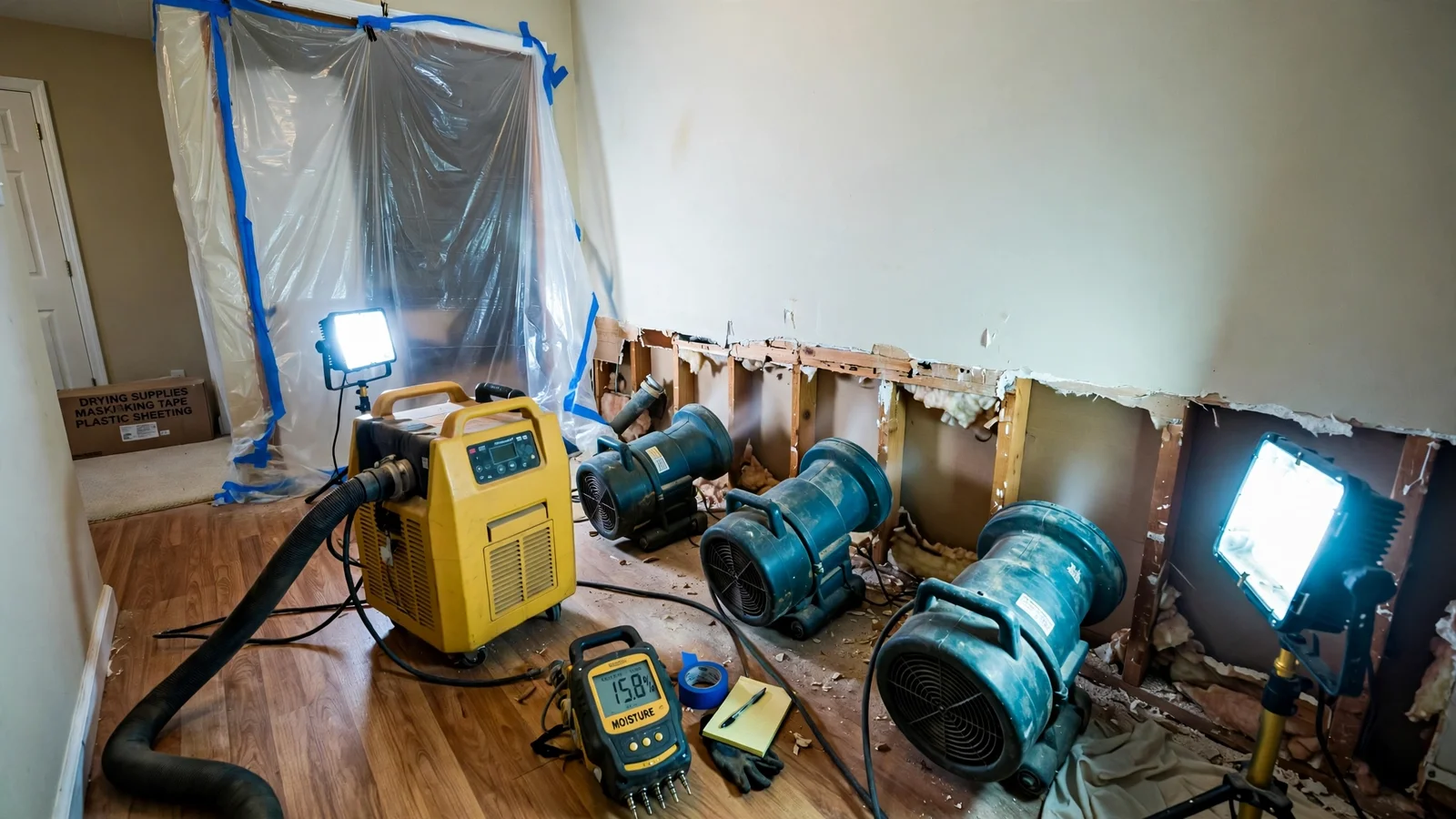
This is the phase most homeowners underestimate. Once surfaces look dry, the structure underneath usually isn't. Industrial dehumidifiers and high-velocity air movers run around the clock, and a technician returns daily to take moisture readings and reposition equipment. In Georgia's climate, this phase runs longer than national averages suggest: summer humidity and a damp crawlspace under the house both fight the drying process. Hardwood floors, plaster, and dense subflooring dry slowest. You cannot rush this phase — closing walls up over damp framing is how mold colonies and rot start, and they surface months later when the job is far more expensive.
Day 5–10: Cleaning, sanitizing, and mold treatment (1–3 days)
Once materials test dry, affected areas are cleaned and treated: antimicrobial application on framing and subfloors, HVAC inspection if the system was running during the event, and targeted mold remediation wherever growth started during the wet period. In our humidity, any job that sat wet for more than 48 hours almost always needs some level of mold treatment — it's simply how Georgia works.
Week 2–3+: Reconstruction (days to weeks — the wildcard)
This is where timelines diverge most. If the job stopped at drying — no walls opened, no flooring removed — you're done and there's no reconstruction phase at all. If drywall was cut, flooring pulled, or cabinets removed, those have to be rebuilt: hanging and finishing drywall, repainting, reinstalling baseboards, laying new flooring. A single-room rebuild with standard materials can finish in under a week. Multiple rooms, custom cabinetry, or hardwood refinishing can stretch to several weeks, and contractor scheduling (not the drying) usually sets the pace here.
Putting it together: three typical scenarios
- •Minor, caught fast (clean water, one room, fast call): extraction + drying, minimal demolition — 3–5 days total, often with no reconstruction.
- •Moderate (gray water or multi-room spread, some drywall removal): 1–2 weeks, including a short rebuild.
- •Major (Category 3, whole floors, extensive demolition): 2–4+ weeks, with reconstruction driving most of the tail.
What Stretches the Timeline (Marietta-Specific)
- •Hidden water discovered late. Water under a slab, inside wall cavities, or pooled in a crawlspace adds demolition and drying days you didn't plan for. Thermal imaging during assessment is how pros catch it early.
- •Insurance adjuster scheduling. Your carrier may need to inspect before reconstruction starts. Document everything with photos and video from Day 0 so the adjuster review doesn't stall the work — our Georgia homeowners insurance guide covers how to keep the claim moving.
- •Mold discovered mid-job. If mold is found behind opened walls, remediation pauses the rebuild until clearance testing passes.
- •Specialty materials. Hardwood floors can sometimes be saved with weeks of in-place drying; deciding takes monitoring, not guessing. Tile over a wet slab can hide moisture for a long time.
- •Storm-season backlog. After a major Georgia storm cell, every restoration crew in Cobb County is booked. The homeowners who called first get on the schedule first — another reason the first call matters.
What You Can Do to Keep Things Moving
You can't control the adjuster's calendar, but you control the two biggest accelerators: call early and document everything. Photograph the damage before anything is moved, keep a simple log of what happened when, and don't throw away damaged materials until your adjuster has seen them (or your restoration team tells you it's safe to). Move dry valuables out of the affected area, but leave the wet building materials alone — premature DIY demolition complicates both the claim and the drying plan.
And one thing to avoid: don't run your home's dehumidifier or fans and assume the job is handling itself. Household equipment can't pull moisture from inside wall cavities and subfloors, and a surface that feels dry while the structure behind it stays wet is exactly how hidden mold starts.
Want a realistic timeline for your specific situation — not a generic estimate? Call +1 (470) 804-0012 — a local restoration team will assess the damage and explain what each phase will look like in your home.
Frequently Asked Questions About Restoration Timelines
How long does it take to dry out a house after water damage?
Structural drying typically takes 3–5 days with professional equipment, measured by daily moisture readings — not by how surfaces look or feel. Dense materials like hardwood and subflooring, plus Georgia's humidity, can extend drying toward a week. Walls should never be closed up until readings confirm the structure is actually dry.
Can I stay in my home during water damage restoration?
Usually yes, for clean-water jobs confined to part of the house. You'll be living around loud drying equipment for several days, and containment barriers may block off rooms. For Category 3 (sewage/floodwater) jobs, technicians typically recommend staying elsewhere until demolition and sanitizing are complete.
How long after water damage does mold start growing?
In Georgia's climate, mold can begin growing on wet drywall, wood, and fabrics within 24–48 hours. This is the single biggest reason fast extraction matters: every day of standing water or damp materials is a day mold uses to establish itself.
Does drying always require tearing out drywall?
No. Drywall that got briefly wet from clean water can often be dried in place. Drywall that wicked water upward, stayed wet for days, or was exposed to gray/black water usually has to be cut out. Moisture meter readings — not guesswork — make that call.
Why does my insurance adjuster need to inspect before repairs start?
The adjuster documents the damage to determine coverage before permanent repairs begin. Extraction and drying (emergency mitigation) should never wait for the adjuster — insurers expect you to prevent further damage. Only the reconstruction phase typically pauses for the inspection.
Can hardwood floors be saved after water damage, or do they always need replacing?
They can often be saved if drying starts fast — specialized in-place drying can pull moisture from hardwood over days to weeks, and cupped boards frequently flatten back out. Floors that stayed wet for a long time, buckled severely, or were exposed to contaminated water usually can't be salvaged.
Data Sources & Standards Referenced
Water damage doesn't wait, and neither should you. For emergency response in Marietta and Cobb County — fast extraction, thorough drying, and a clear timeline for your home — call +1 (470) 804-0012.
Related Guides
Marietta Service Hubs
Water damage restoration services are available across Cobb County municipalities:
Complementary Restoration Services
Explore additional specialized water damage, sewage, pipe repair, and flood cleanup services in Marietta.
Water Damage Restoration
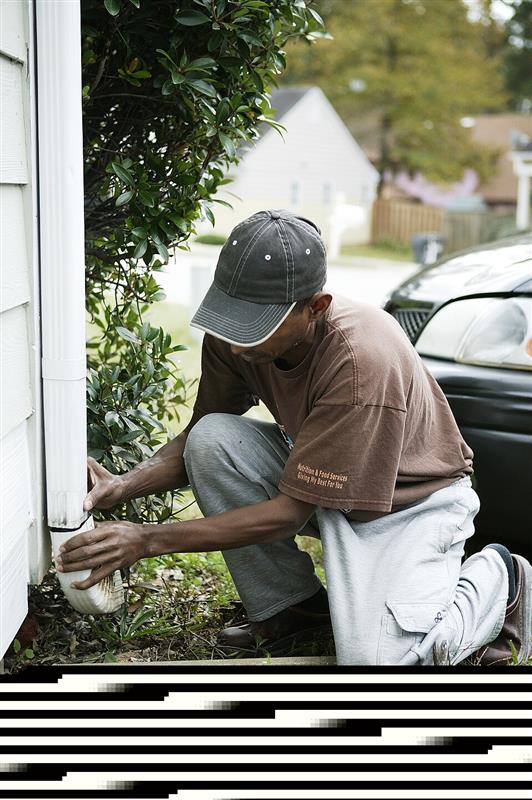
Professional water damage cleanup, water extraction, structural drying, and damage restoration for homes, apartments, and commercial properties in Marietta and Cobb County.
Basement Water Removal
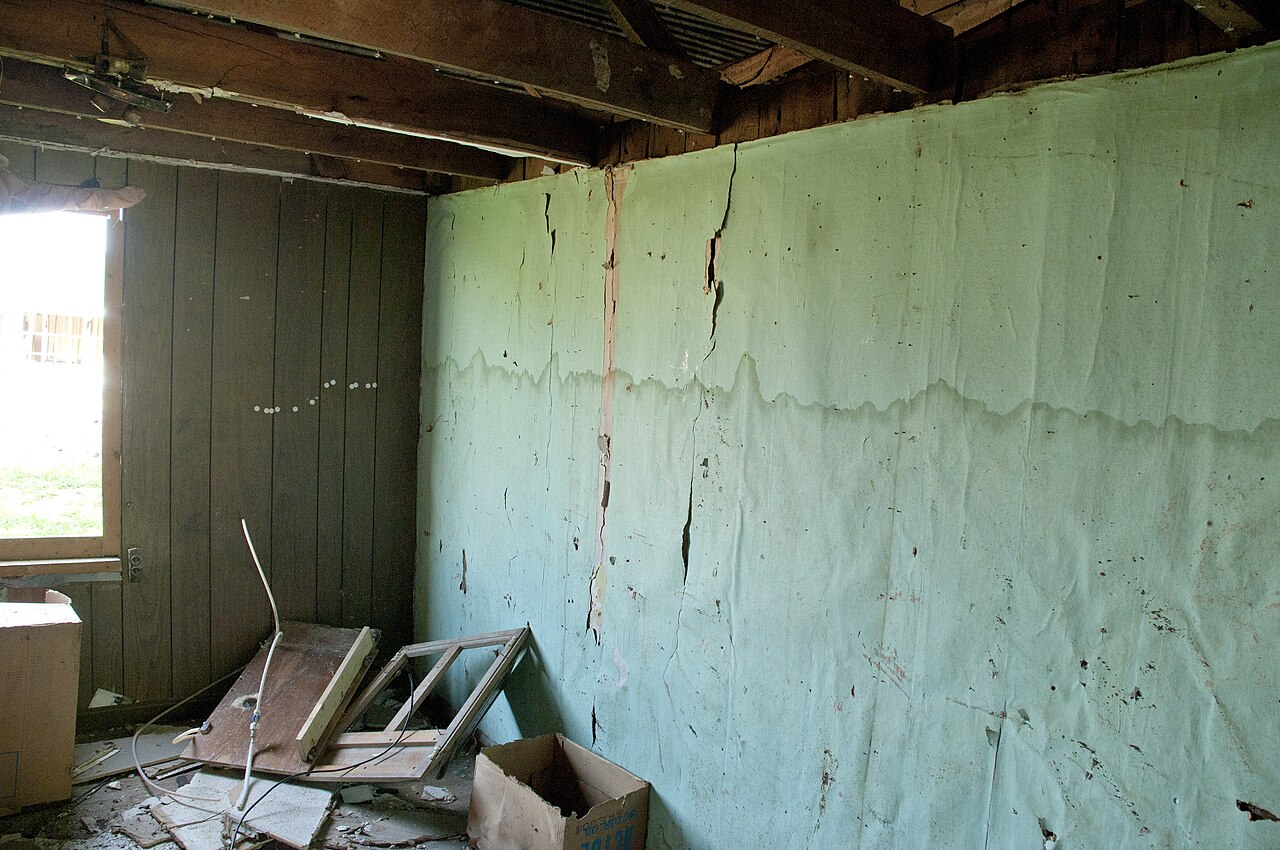
Standing-water removal and extraction, slab dehumidification, finished basement drying, and moisture remediation after heavy rain, sump pump failures, or plumbing bursts in Marietta.
Burst & Leaking Pipe Repair
Water extraction, wall & ceiling moisture detection, structural drying, and water damage cleanup after burst or leaking pipes in Marietta.
Need Water Damage Restoration in Marietta?
Call now to discuss your water damage situation and the next steps.