Water in a Finished Basement in Marietta: What Hides Behind the Walls
Water in a finished basement rarely stays on the surface. It wicks into drywall, insulation, and flooring layers where it can stay hidden for days. Learn where the moisture hides in Marietta basement homes, why finished rooms dry so much slower, and what thorough drying actually involves.
Quick Answer
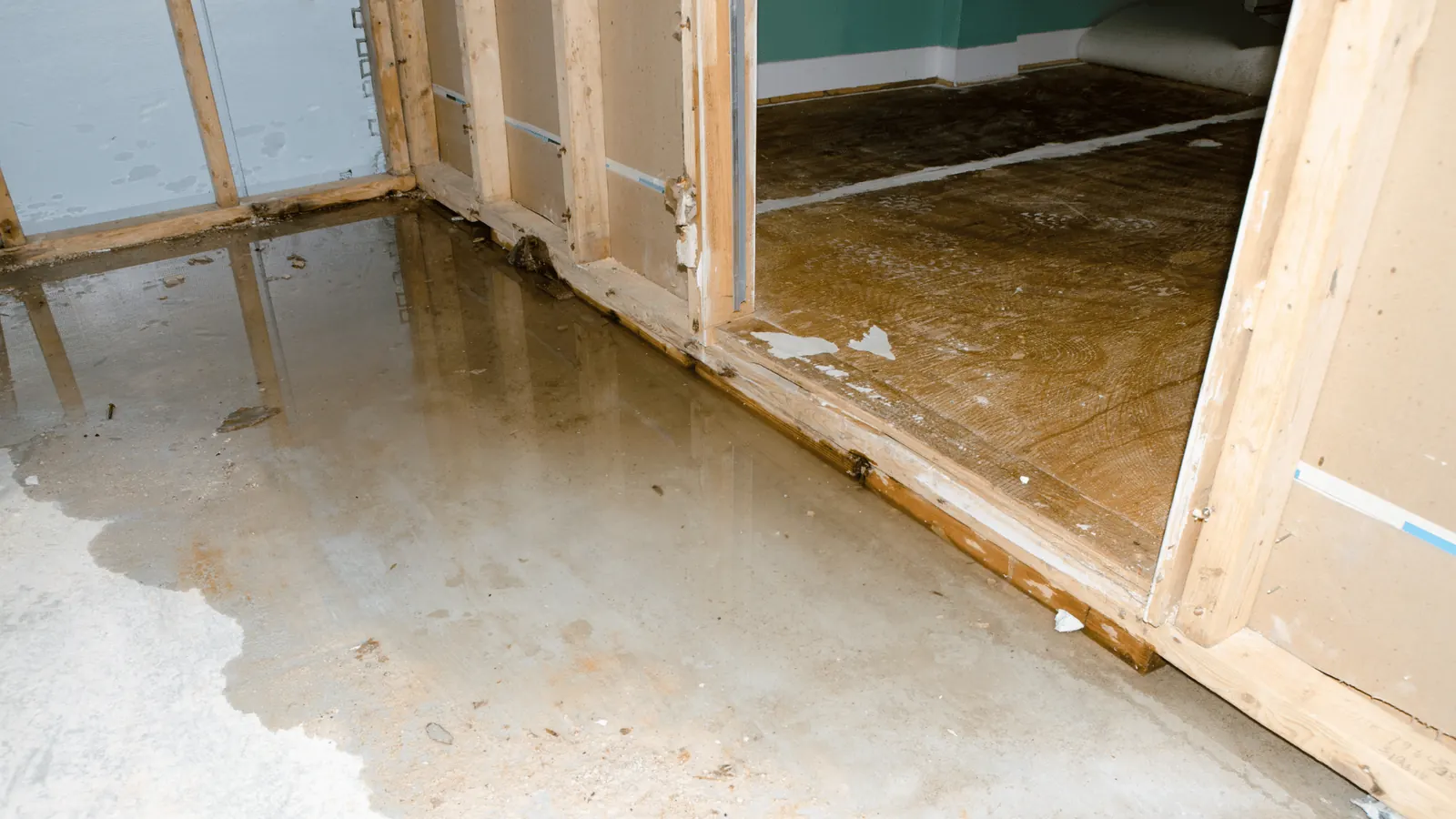
Water in a finished basement is rarely just on the floor. It wicks into drywall, insulation, and flooring layers where it can stay hidden for days. Stop the source, move belongings out of wet areas, document everything, and have the space checked with moisture meters — what looks dry at the surface is often still wet behind the walls.
Finished basements are everywhere in Marietta — guest suites in East Cobb, media rooms and home offices in West Cobb, playrooms in older homes near the Square. They add real living space, but they also change what a water event means. In an unfinished basement, a leak lands on concrete and you can see exactly where it went. In a finished basement, the same leak disappears under carpet, behind drywall, and into insulation, and the visible puddle is often the smallest part of the problem.
This guide explains where water hides in a finished basement, why these rooms dry slowly, the signs moisture is still trapped, and what thorough drying involves.
Where Water Hides in a Finished Basement
Water follows gravity and capillary action, and finished materials give it plenty of places to go:
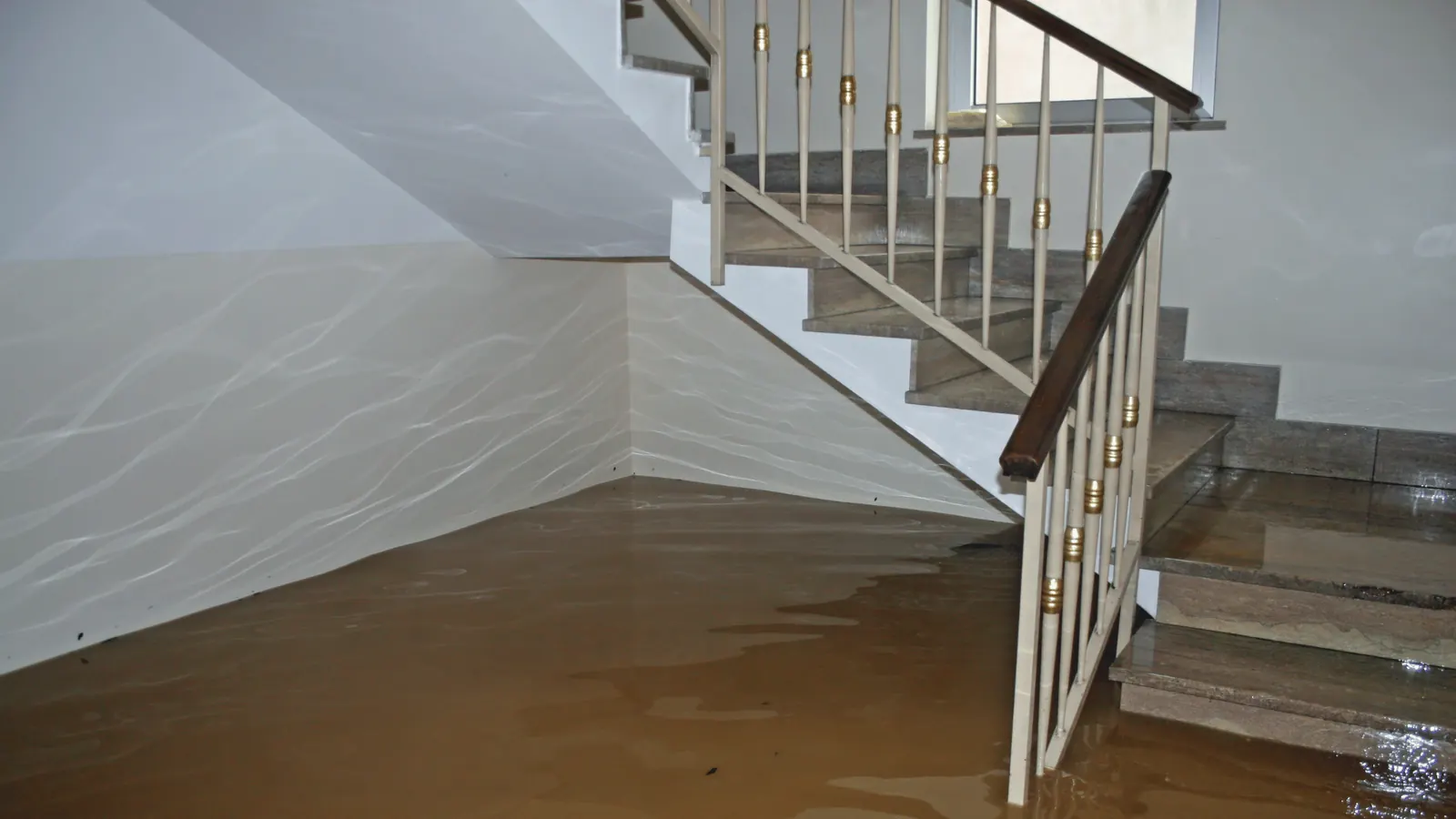
- 1.Inside wall cavities. Drywall wicks water upward from the floor, sometimes well above the visible waterline. The paper backing on the hidden face of the drywall, plus the insulation and bottom plate inside the cavity, can stay wet long after the painted surface feels dry.
- 2.Under flooring layers. Carpet pad acts like a sponge against the slab. Laminate and luxury vinyl trap moisture against their underlayment, and engineered wood can hold water between the boards and the subfloor. The walking surface can feel dry while the layer underneath is saturated.
- 3.Behind paneling and built-ins. Older Marietta basements finished with wood paneling, wainscoting, or built-in shelving hide the wall behind a second skin. Water spreads behind these finishes with almost no airflow to dry it.
- 4.Along the cove joint and sill plates. Where the wall meets the floor, water pushed in by hydrostatic pressure collects behind baseboards and soaks the wooden sill plate — a spot Georgia clay soil and heavy Cobb County rain make especially vulnerable.
Why Finished Basements Dry So Much Slower
An unfinished basement is mostly concrete and open air — water evaporates off hard surfaces and a fan can move air across the whole room. A finished basement is the opposite: stacked layers of porous material, enclosed cavities, and very little air movement at floor level where the water actually is.
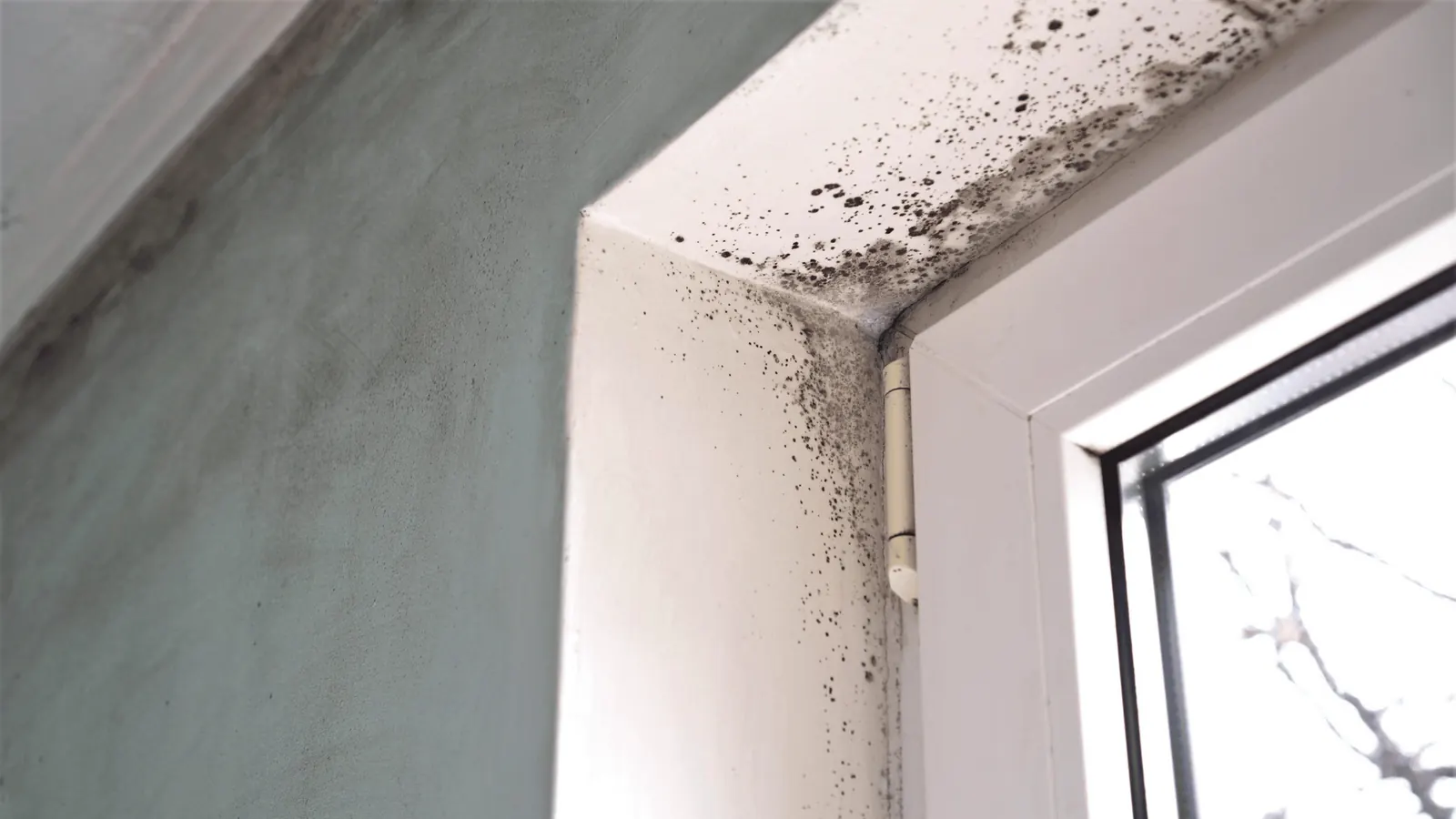
Georgia's humidity makes it worse. Basements already run cooler and damper than the rest of the house, and in warmer months the air holds so much moisture that simply opening windows or running a household fan adds little drying power. Meanwhile, the clock matters: mold can begin growing on wet drywall paper and wood within 24–48 hours, often inside the wall cavity where nobody can see it starting. That is why a finished basement that "seems fine" a week after a leak can develop a musty smell that never quite goes away.
The takeaway: in a finished basement, dryness must be verified with instruments, not touch. Restoration pros use moisture meters and thermal imaging to map which walls, floors, and cavities are still wet before deciding what can be dried in place and what must be opened up.
Signs Moisture Is Still Trapped — and Your First Steps
After any water event, watch for these signs over the following days: a musty odor that lingers, paint bubbling or baseboards separating near the floor, flooring that feels spongy or cupped, and staining creeping up a wall. Any one suggests water is still inside the structure.
- 1.Stop the source and make it safe. Shut off the water supply if a pipe, appliance, or water heater is leaking. Keep clear of standing water near outlets or the electrical panel.
- 2.Move belongings up and out. Furniture, electronics, boxes, and rugs come off wet floors first — porous items left sitting in a damp room keep absorbing moisture.
- 3.Document before you clean. Photograph waterlines, wet walls, and damaged items, and note when the water was discovered. That record matters for any insurance conversation later.
- 4.Get the structure measured, not guessed. A restoration provider can map moisture behind walls and under floors, handle basement water removal, and dry wall cavities and flooring layers. This site connects Marietta homeowners with independent local providers — call +1 (470) 804-0012 to discuss your situation.
- 5.Do not close walls back up early. New baseboards, paint, or flooring over unverified materials traps the problem inside. Confirm drying with moisture readings first — the restoration process guide explains how verification works, and the sump pump guide covers the common storm-season source.
Frequently Asked Questions About Finished Basement Water Damage
Why does a finished basement stay wet longer than an unfinished one?
Every finish layer traps water. Drywall, insulation, carpet pad, and underlayment hold moisture against concrete and framing, and finished rooms have little airflow. Water that evaporates off bare concrete in days can stay hidden behind paneling or under flooring far longer.
Can wet basement drywall be dried in place, or does it always come out?
Clean water caught early can sometimes be dried in place, verified with moisture readings. Drywall that stayed saturated, shows mold, or was exposed to contaminated water is usually cut out so the cavity behind it can be cleaned and dried.
How can I tell if there is moisture behind my basement walls?
Watch for a musty smell that does not fade, paint bubbling near the floor, baseboards that feel soft, and flooring that feels spongy. Restoration pros confirm hidden moisture with moisture meters and thermal imaging, which show wet areas without opening the wall.
Does homeowners insurance cover water damage in a finished basement?
Coverage depends on the source and the policy. Sudden internal events like a burst pipe are treated differently from groundwater seepage or surface flooding, which are commonly excluded without separate coverage. Photograph everything from the start — the Georgia homeowners insurance guide explains the details.
How soon can mold start growing in a wet finished basement?
In Georgia's humidity, mold can begin growing on wet drywall paper, wood, and fabrics within 24–48 hours. In a finished basement it often starts inside the wall cavity, out of sight, while the room still looks normal.
Should I remove wet carpet in a finished basement myself?
Lifting a corner to check the pad is reasonable, and moving belongings out of wet areas helps. Full removal is heavy work, and carpet that absorbed contaminated water should not be handled without protection. A restoration provider can advise whether the carpet can be dried or should come out.
Data Sources & Standards Referenced
Found water in your finished basement? The hidden moisture matters more than the puddle — call +1 (470) 804-0012 to connect with an independent local restoration provider in the Marietta area.
Related Guides
Marietta Service Hubs
Water damage restoration services are available across Cobb County municipalities:
Complementary Restoration Services
Explore additional specialized water damage, sewage, pipe repair, and flood cleanup services in Marietta.
Basement Water Removal
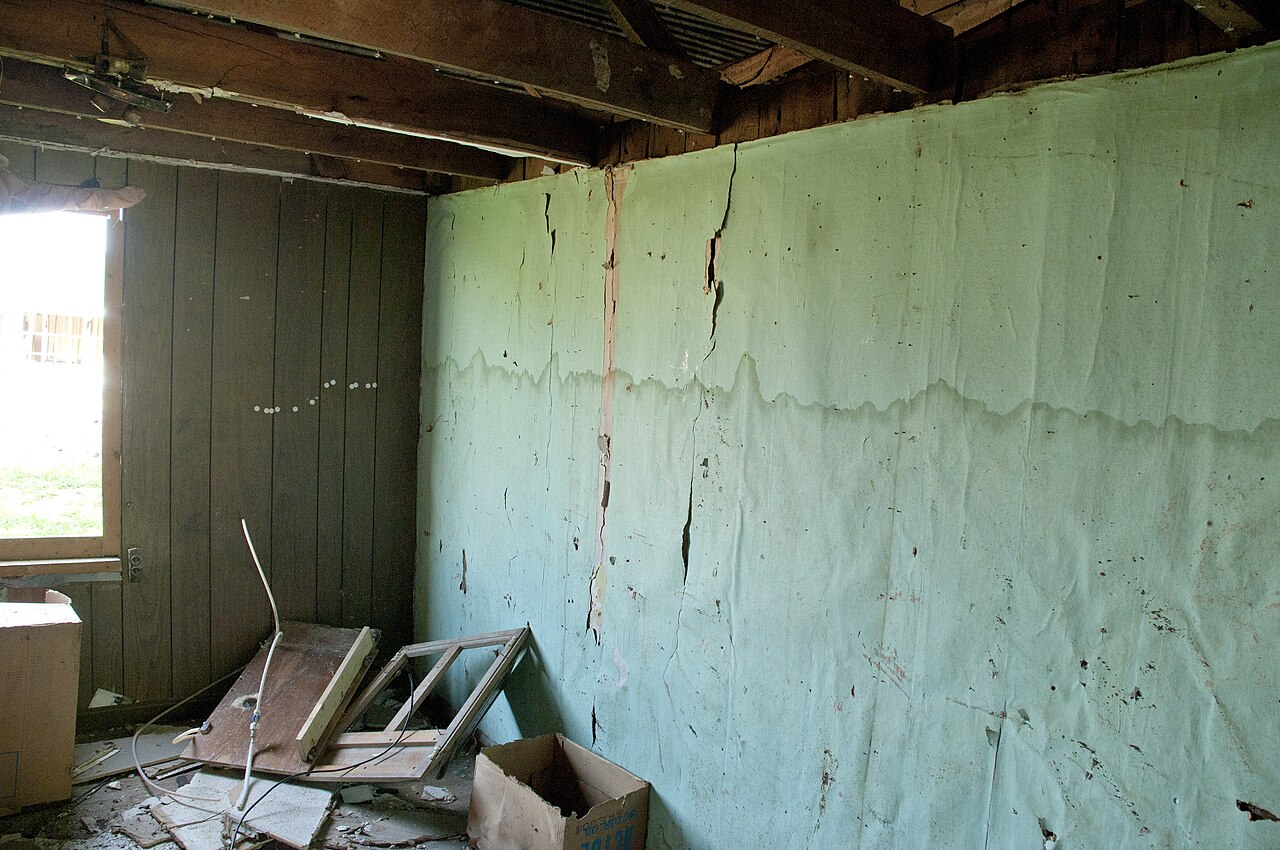
Standing-water removal and extraction, slab dehumidification, finished basement drying, and moisture remediation after heavy rain, sump pump failures, or plumbing bursts in Marietta.
Water Damage Restoration
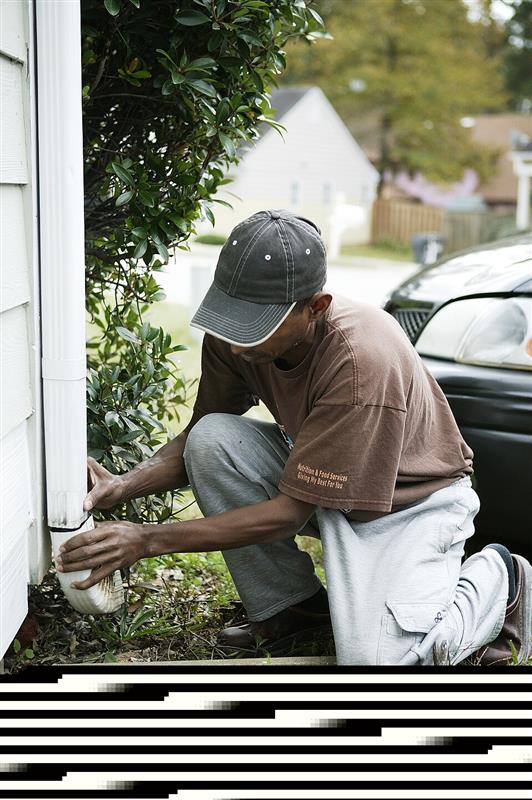
Professional water damage cleanup, water extraction, structural drying, and damage restoration for homes, apartments, and commercial properties in Marietta and Cobb County.
Mold Remediation & Removal
Professional mold containment, structural surface cleaning, HEPA air filtration, and underlying moisture remediation in Marietta and Cobb County.
Need Water Damage Restoration in Marietta?
Call now to discuss your water damage situation and the next steps.