Water Damage Restoration Cost in Marietta, GA
Understanding key cost drivers, scope variables, written estimate procedures, and insurance coverage factors for Cobb County water damage projects.
Get an Accurate Estimate for Your Property
Every water damage situation is unique — the only way to know what your specific restoration will cost is a phone call and on-site inspection.
Water damage restoration services serving Marietta & Cobb County
What Determines Your Water Damage Restoration Cost?
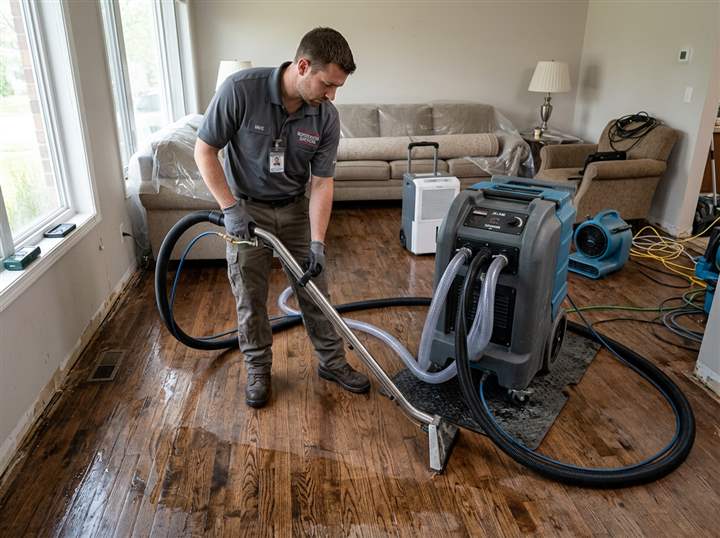
When water intrusion affects a property in Marietta, GA, understanding key cost drivers helps property owners evaluate written estimates and navigate insurance claims effectively. Rather than static flat rates, professional restoration billing reflects the physical scope of work required to return a structure to safe, dry conditions.
Restoration providers utilize standardized line-item estimating software (such as Xactimate) to record equipment runtime, labor hours, and disposal requirements. Primary variables dictating project cost include:
1. Water Contamination Category
Clean supply line ruptures (Category 1) require straightforward extraction and drying. Grey water from washing machine overflows (Category 2) or black water sewage backups (Category 3) require specialized PPE, biohazard containment, antimicrobial sanitization, and controlled disposal of porous items.
2. Extent of Moisture Saturation (Classes 1 through 4)
Localized moisture affecting low-porosity surfaces (Class 1) dries quickly with basic air movement. Deep saturation affecting wall bays, insulated cavities, subflooring, or structural hardwood (Classes 3 & 4) requires multi-day Low Grain Dehumidification (LGR) and specialized floor drying mat systems.
3. Porous vs. Non-Porous Building Materials
Non-porous materials like tile or concrete can often be sanitized and dried in place. Porous materials like carpet padding, saturated drywall cutouts, and wet fiberglass insulation usually require controlled removal and replacement.
4. Response Time & Migration Duration
Water left standing longer than 24 to 48 hours migrates deeper into building assemblies and increases the risk of secondary mold growth, expanding equipment requirements and total restoration scope.
5. Demolition, Rebuild & Contents Scope
Controlled material cutouts, structural reconstruction, debris disposal, and contents salvage or pack-out services contribute to final job invoicing.
How to Review a Professional Written Restoration Estimate
Before work begins, ensure your restoration contractor provides a detailed written estimate:
- Itemized Line Items: Look for specific entries covering water extraction, air movers, dehumidifiers, sanitizing agents, and material removal.
- Moisture Monitoring Logs: Confirm daily moisture readings will be documented to verify when materials hit target dry standards.
- Insurance Claim Compatibility: Verify that estimates use standard industry Xactimate pricing formatting recognized by major insurance carriers.
Insurance Coverage & Out-of-Pocket Considerations
In Georgia, standard homeowners insurance policies generally cover internal water damage resulting from sudden and accidental events (such as ruptured supply lines or water heater bursts), after policy deductibles are met. Standard policies exclude groundwater flooding and sewer backups unless optional policy endorsements have been added.
Read the complete Georgia Homeowners Insurance Water Damage Guide to learn more about covered losses, exclusions, and claim documentation.
When to Call a Professional for Water Damage Mitigation
Professional structural water mitigation is recommended under the following criteria:
- Water has spread beyond a localized surface spill into wall cavities or subflooring.
- Water source involves contaminated drain backups or outdoor surface runoff.
- Subfloors, hardwood, or finished basement walls show signs of saturation.
- Moisture has remained un-extracted for longer than 24 to 48 hours.
Frequently Asked Questions About Restoration Costs
Why does water damage restoration cost vary between properties?
Restoration costs vary based on the water contamination level (clean, grey, or black water), the square footage and building materials affected, and the number of days equipment must run to achieve dry standards.
Why does sewage cleanup cost more than clean water extraction?
Category 3 black water requires personal protective equipment (PPE), biohazard disposal protocols, controlled demolition of saturated materials, and intensive antimicrobial sanitization.
Does homeowners insurance cover water mitigation costs in Marietta?
Standard policies typically cover water extraction and structural drying resulting from sudden internal plumbing bursts or water heater failures after policy deductibles are met.
What information is needed to get an accurate cost estimate?
A technician needs to inspect the moisture saturation depth, measure the affected square footage, identify the water source, and determine necessary equipment placement.
Technical Standards & Estimating References
Related Guides
Marietta Service Hubs
Water damage restoration services are available across Cobb County municipalities:
Complementary Restoration Services
Explore additional specialized water damage, sewage, pipe repair, and flood cleanup services in Marietta.
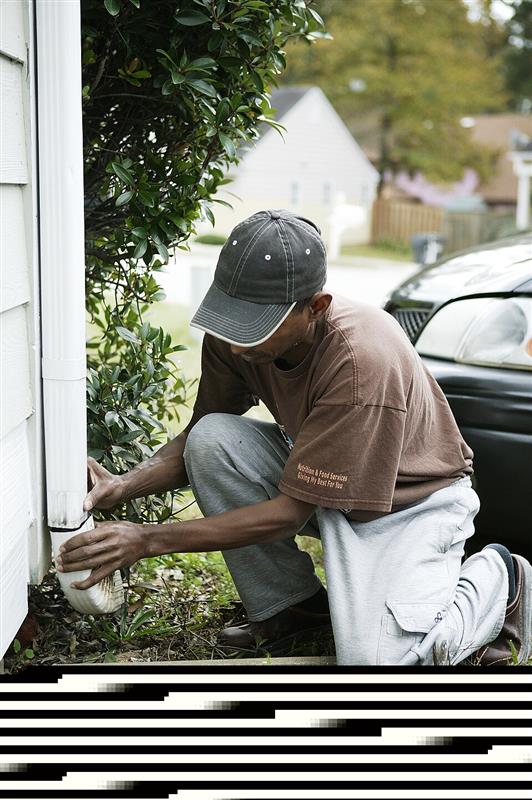
Water Damage Restoration
Professional water damage cleanup, water extraction, structural drying, and damage restoration for homes, apartments, and commercial properties in Marietta and Cobb County.
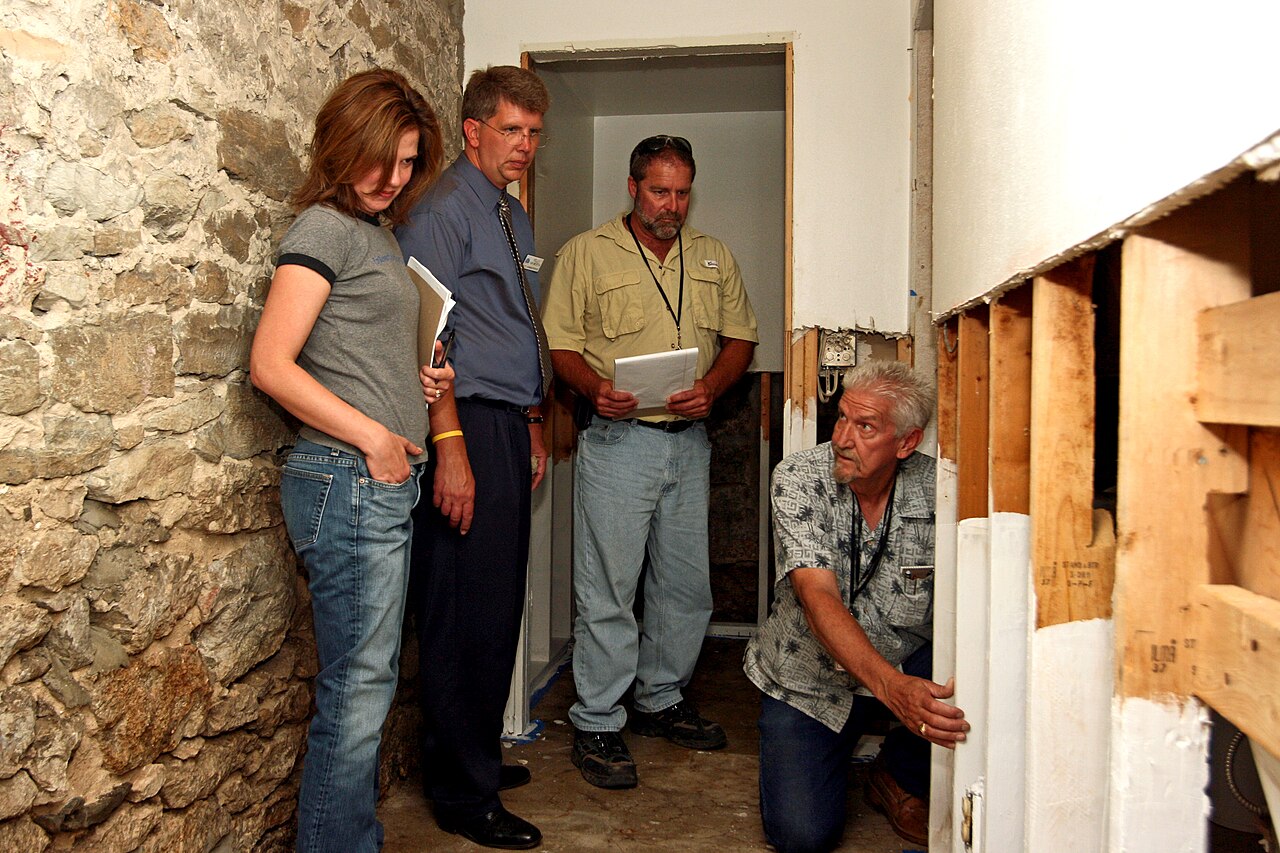
Commercial Water Restoration
Commercial water extraction, structural drying, and facility restoration for offices, retail stores, and multi-unit buildings in Marietta.
Appliance Water Damage
Water extraction, subfloor drying, cabinet moisture removal, and structural cleanup for washing machine, dishwasher, and water heater leaks in Marietta.
Need Water Damage Restoration in Marietta?
Call now to discuss your water damage situation and the next steps.